
Facing Trump’s pressure, the Fed is likely to cut rates for the first time this year
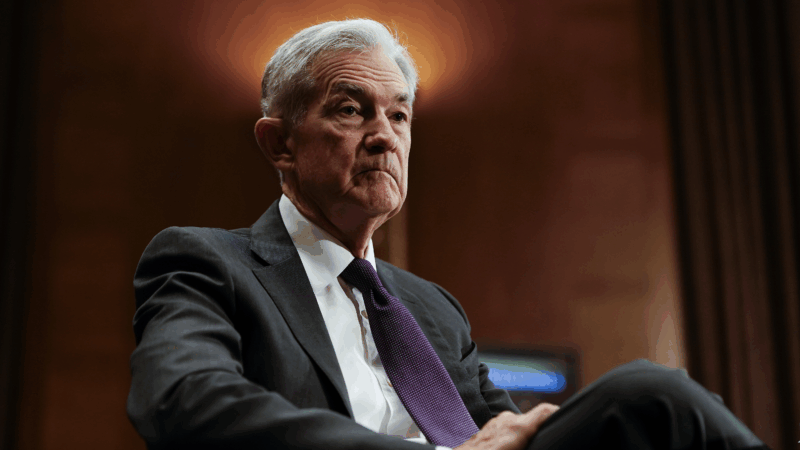
The Federal Reserve is expected to cut interest rates by a quarter percentage point Wednesday in an effort to prop up the sagging U.S. job market. The move comes as Fed policymakers face mounting pressure from the White House.
Investors are betting the central bank will lower its benchmark rate to a range of 4% to 4.25%. That would be the first such cut in nine months, amid signs of a substantial slowdown in the pace of hiring. Fed policymakers signaled in June that they expected to cut rates by an average of half a percentage point by the end of this year.
President Trump wants much lower interest rates, and he has been waging a high-pressure campaign to exert more control over the central bank — bypassing safeguards designed to insulate the Fed from political pressure.
Trump tries to put his own stamp on the central bank
Trump installed a White House economist, Stephen Miran, as a new member of the Fed’s governing board. The Senate voted mostly along party lines to confirm Miran’s appointment on Monday, less than 24 hours before this week’s Fed meeting began.
Trump also sought to prevent another member of the Fed’s governing board from participating in the meeting. The president tried to fire Fed Governor Lisa Cook in a social media post last month. Cook’s dismissal has been temporarily blocked by federal courts. The White House says it will ask the Supreme Court to allow the firing to go forward.
If Trump succeeds in replacing Cook, his appointees would hold a majority on the Fed’s seven-member governing board. Longtime Fed watchers say that this could seriously compromise the central bank’s ability to make tough decisions on interest rates free from the short-term political demands of the White House.
Tariffs add to sticky inflation as hiring slows
The Fed has been wary about cutting interest rates this year, out of concern that Trump’s tariffs could rekindle inflation. Double-digit import taxes have raised prices on goods such as coffee, clothing and small appliances. The overall cost of living in August was up 2.9% from a year ago. That was the largest annual increase in seven months.
Concerns about stubborn inflation have taken a back seat for now, though, to worries about a weakening job market. U.S. employers added just 22,000 jobs in August, and revised figures show the economy actually lost jobs in June for the first time since 2020.
The unemployment rate remains low by historical standards, at 4.3%. But that’s partly because the administration’s crackdown on immigration is limiting the number of available workers.
“While the labor market appears to be in balance, it is a curious kind of balance that results from a marked slowing in both the supply of and demand for workers,” Fed Chair Jerome Powell told a gathering of central bankers last month in Jackson Hole, Wyoming. “This unusual situation suggests that downside risks to employment are rising. And if those risks materialize, they can do so quickly in the form of sharply higher layoffs and rising unemployment.”
On average, members of the Fed’s rate-setting committee projected in June that the unemployment rate would climb to 4.5% by the end of this year.
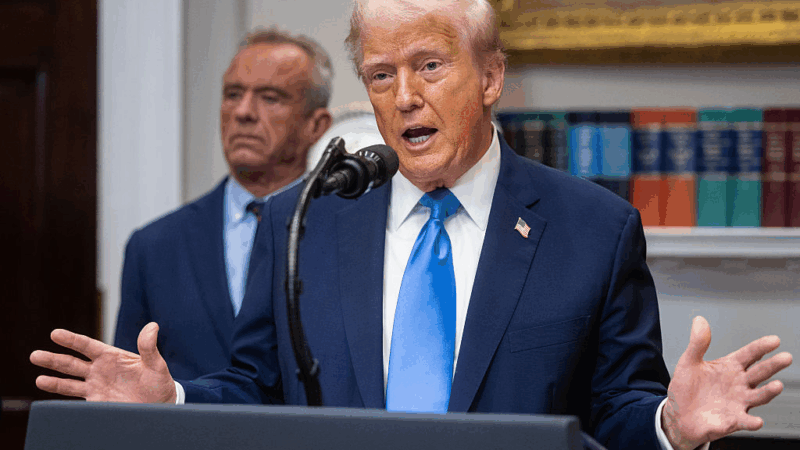
Pregnant women in ERs took less Tylenol after Trump autism warning
A study in The Lancet finds that pregnant women in emergency rooms used less Tylenol after President Trump said it could raise their babies' risk of autism. Scientists say there is no proven link.
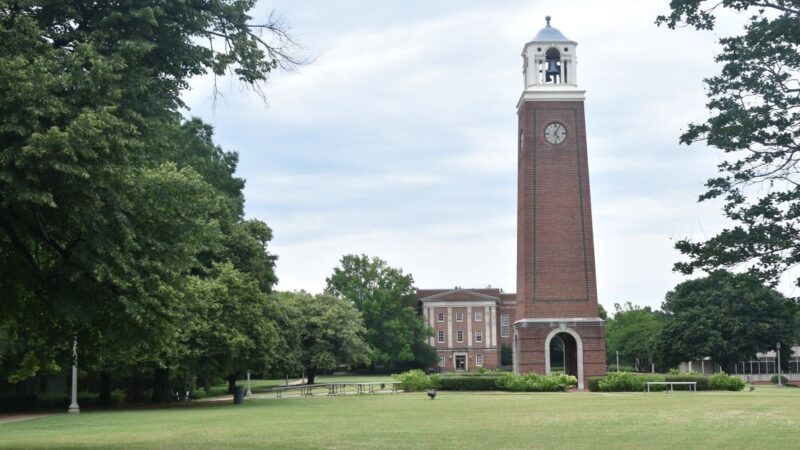
Mixed reactions, including relief, greet news the Coast Guard is buying BSC campus
The U.S. Coast Guard will take possession of the 192-acre campus in the northeast corner of Birmingham’s Bush Hills Neighborhood and will begin work to refit it as a training center for officers and enlisted personnel.
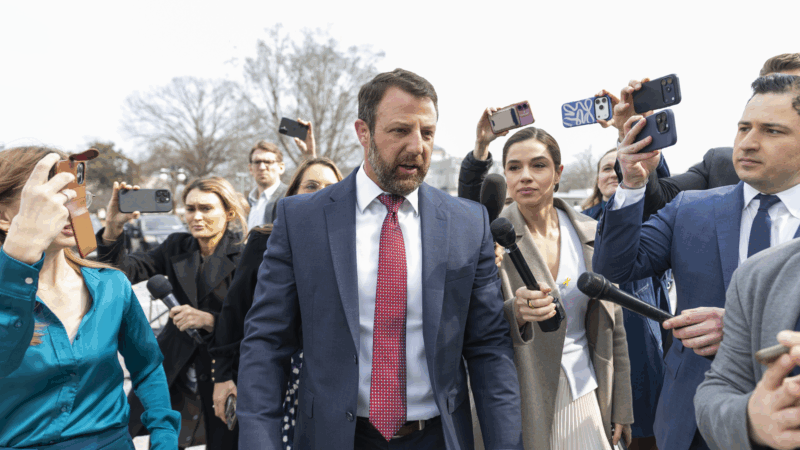
What you need to know about Sen. Markwayne Mullin, Trump’s new pick to lead DHS
President Trump announced Thursday that Sen. Markwayne Mullin, R-Okla., is his pick to replace Kristi Noem as the head of the Department of Homeland Security.
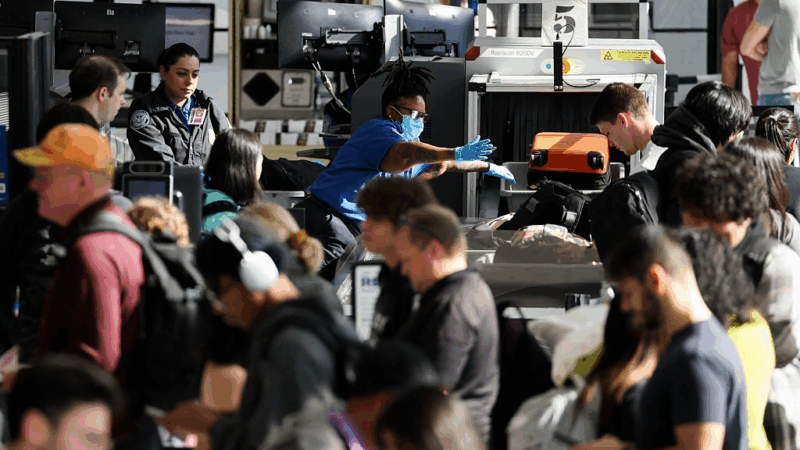
Travel industry pushes Congress to end DHS shutdown and pay federal security workers
With the busy spring break travel season looming, travel and aviation industry leaders urged Congress to end the stalemate over DHS funding before workers at TSA and ports miss a full paycheck.

Trump fires Kristi Noem as DHS chief, names Sen. Markwayne Mullin to replace her
President Trump has fired his homeland security secretary, Kristi Noem, and said Markwayne Mullin, a senator from Oklahoma, would replace her.

Can a digital tablet cut back a country’s overuse of antibiotics?
Overprescribing antibiotics breeds antibiotic resistance. A new tool aims to lower a notably high rate of such prescriptions in Rwanda.
