
Engineer restores pay phones for free public use

Patrick Schlott often finds himself in a cellular dead zone during his drive to work.
“You go down the road, you turn the corner and you’re behind a mountain and you’ll lose cell coverage pretty fast,” he says.
The 31-year-old electrical engineer says poor reception is a common frustration for residents of Vermont’s Orange County. To address this issue, he’s providing his community with a new way to stay connected.
Schlott has taken old pay phones, modified them to make free calls, and set them up in three different towns across the county. He buys the phones secondhand from sites like eBay and Craigslist and restores them in his home workshop.
With just an internet connection, these phones can make calls anywhere in the U.S. or Canada — no coins required. And Schlott covers all the operating costs himself.
“It’s cheap enough where I’m happy just footing the bill,” he says. “You know, if I’m spending $20 a month on, say, Netflix, I could do that and provide phone service for the community. And to me, that’s way more fun.”

Since Schlott installed the first phone in March last year outside a general store in the town of Tunbridge, Vt., hundreds of calls have been made.
“I knew there would be some fringe cases where it would be really helpful,” he says. “But I never expected it to get daily use and for people to be this excited about it.”
He says the phones have come in handy for drivers whose cars have broken down nearby. And at a public library in Thetford Center — the most used installation by far — kids have been able to call their parents for rides home or simply to check in.
In June, Vermont voted to ban cell phones in schools beginning in the 2026–2027 academic year. Schlott says public telephones will soon be more essential for students in the area.
“Regardless of whatever side you are on that issue, there’s going to be a need for communications for students,” he says. “And I’ve already gotten a few people reaching out saying, ‘We need a way for the students to call home or call whomever. Can we get one of your phones?'”
Schlott has received some donations to help sustain his project. But he says his one-man funding model may need to adapt if the initiative continues to grow.
“One of the cornerstones that I want to stick to is, no matter what happens on the backend, the calls will always be free,” he says. “And I will figure out a way to make that happen.”

Sunday Puzzle: All In
NPR's Ayesha Rascoe plays the puzzle with WFIU listener Mark Minster of Terre Haute, Ind., and Weekend Edition Puzzlemaster Will Shortz.
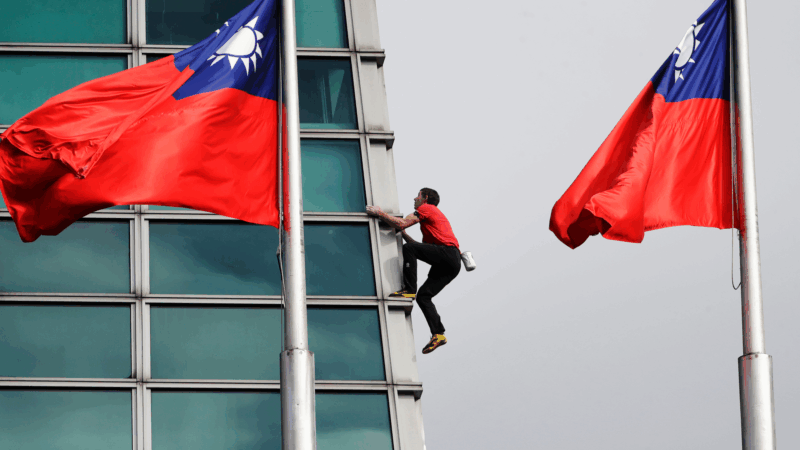
U.S. rock climber Alex Honnold reaches top of Taipei 101 skyscraper without ropes
Cheers erupted from a street-level crowd as Alex Honnold reached the top of the spire of the 508-meter (1,667-foot) tower, about 90 minutes after he started.
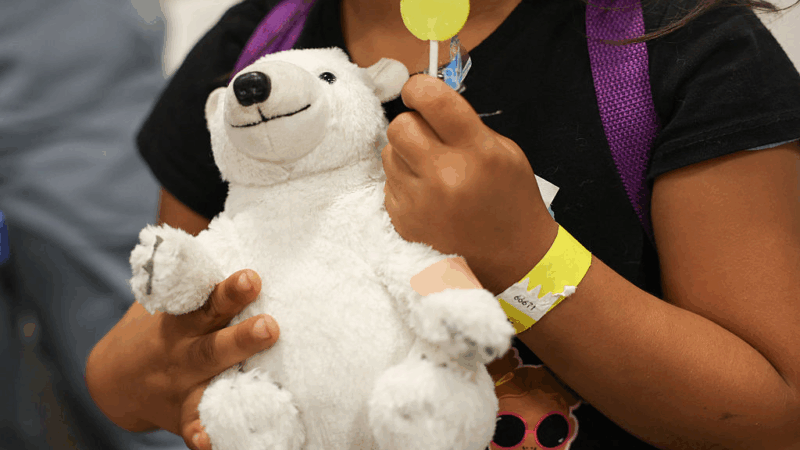
Here’s how ‘shared decision making’ for childhood vaccines could limit access
Robert F. Kennedy Jr.'s new approach to six shots that were formerly given routinely will introduce new hurdles for getting kids immunized. And it could have a chilling effect on doctors.
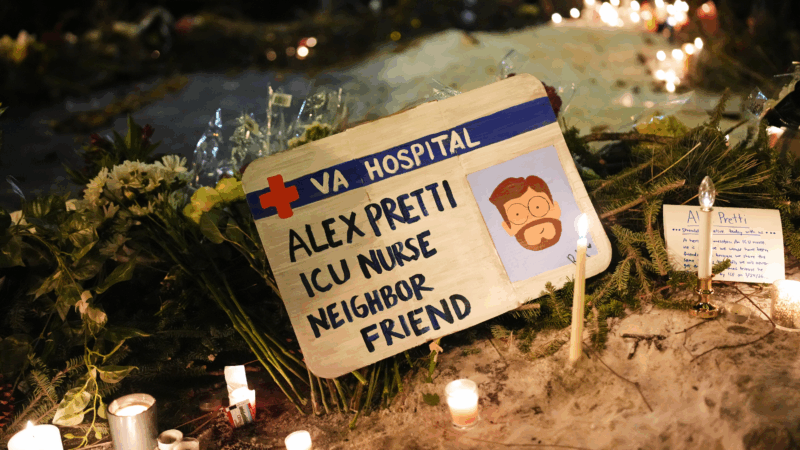
5 things to know about the latest Minneapolis shooting
Tensions are escalating in Minneapolis after Alex Jeffrey Pretti, a U.S. citizen, was killed during an encounter with immigration officials on Saturday morning. Here is what to know.
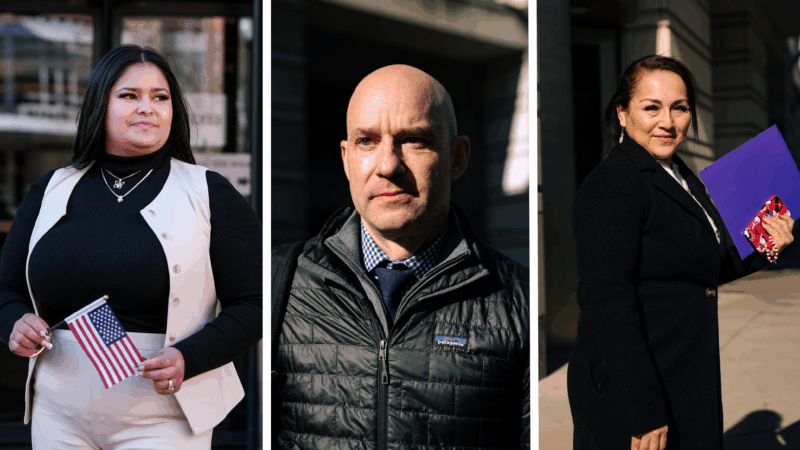
Thousands of new Americans opt for ‘ultimate act of inclusion’ despite obstacles
Three citizenship ceremonies NPR attended in the Washington, D.C. area in January were largely celebratory experiences, despite a year of hurdles and changes to the naturalization process.

40 years after Challenger: Lingering guilt and lessons learned
Forty years after the Challenger disaster, NPR explores the engineers' last-minute efforts to stop the launch, their decades of guilt and the vital lessons that remain critical for NASA today.
