
Engineer restores pay phones for free public use

Patrick Schlott often finds himself in a cellular dead zone during his drive to work.
“You go down the road, you turn the corner and you’re behind a mountain and you’ll lose cell coverage pretty fast,” he says.
The 31-year-old electrical engineer says poor reception is a common frustration for residents of Vermont’s Orange County. To address this issue, he’s providing his community with a new way to stay connected.
Schlott has taken old pay phones, modified them to make free calls, and set them up in three different towns across the county. He buys the phones secondhand from sites like eBay and Craigslist and restores them in his home workshop.
With just an internet connection, these phones can make calls anywhere in the U.S. or Canada — no coins required. And Schlott covers all the operating costs himself.
“It’s cheap enough where I’m happy just footing the bill,” he says. “You know, if I’m spending $20 a month on, say, Netflix, I could do that and provide phone service for the community. And to me, that’s way more fun.”

Since Schlott installed the first phone in March last year outside a general store in the town of Tunbridge, Vt., hundreds of calls have been made.
“I knew there would be some fringe cases where it would be really helpful,” he says. “But I never expected it to get daily use and for people to be this excited about it.”
He says the phones have come in handy for drivers whose cars have broken down nearby. And at a public library in Thetford Center — the most used installation by far — kids have been able to call their parents for rides home or simply to check in.
In June, Vermont voted to ban cell phones in schools beginning in the 2026–2027 academic year. Schlott says public telephones will soon be more essential for students in the area.
“Regardless of whatever side you are on that issue, there’s going to be a need for communications for students,” he says. “And I’ve already gotten a few people reaching out saying, ‘We need a way for the students to call home or call whomever. Can we get one of your phones?'”
Schlott has received some donations to help sustain his project. But he says his one-man funding model may need to adapt if the initiative continues to grow.
“One of the cornerstones that I want to stick to is, no matter what happens on the backend, the calls will always be free,” he says. “And I will figure out a way to make that happen.”
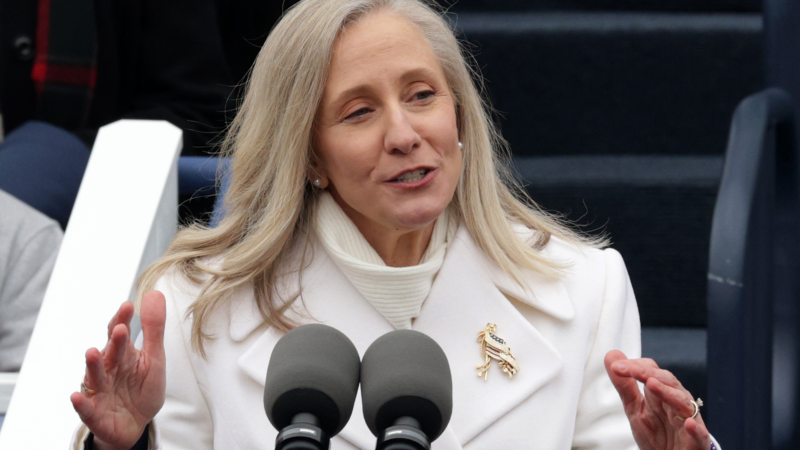
Democrats tap Spanberger and Padilla to respond to State of the Union
Virginia Gov. Abigail Spanberger will deliver Democrats' response on Tuesday following President Trump's State of the Union address.
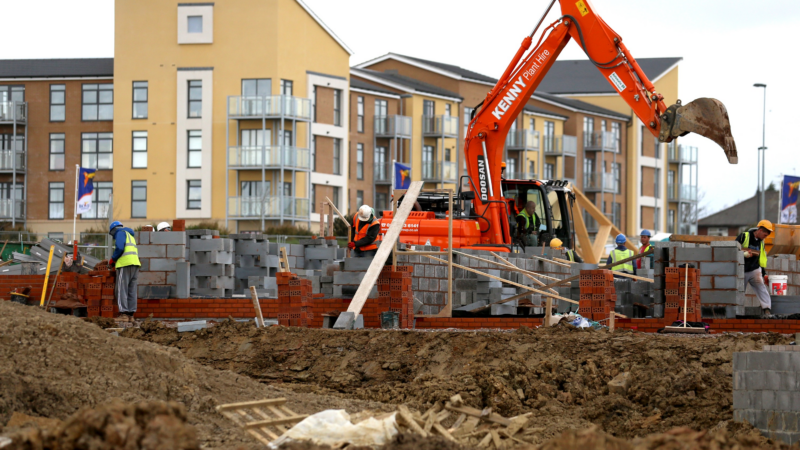
Is the YIMBY movement doomed?
For decades, rising home prices have been an engine for middle-class wealth. Now a growing movement wants to slow — or even reverse — that trend. Are the politics around new housing development inherently stacked against them?
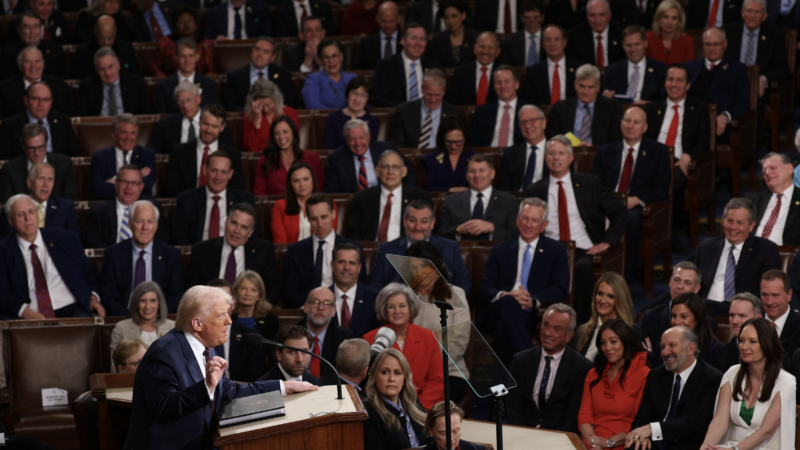
What you need to know about tonight’s State of the Union address
The prime-time address is a chance for the president to tout his record ahead of this year's midterm elections. But it comes at a moment when Trump has seen his agenda complicated on multiple fronts.

What you need to know as Russia’s full-scale war on Ukraine enters its 5th year
Russia launched its full-scale invasion of Ukraine four years ago, and the fighting continues. Here's a look at where the war stands today.
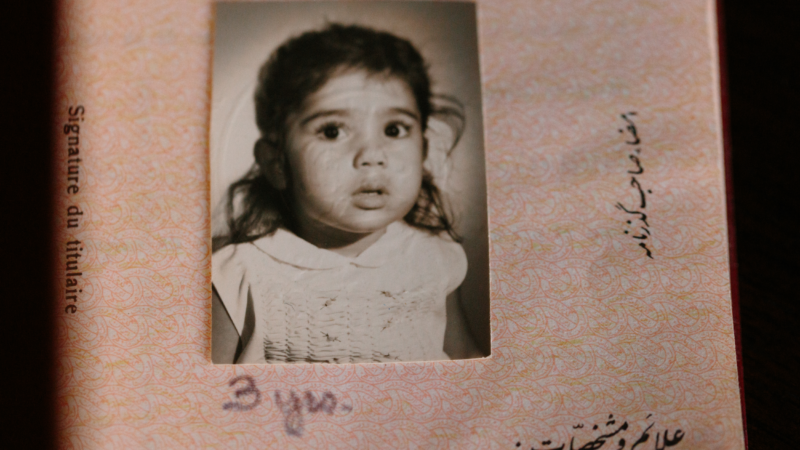
A U.S. veteran adopted an orphan from Iran. Decades later, ICE is trying to deport her
The woman has no criminal record and is unsure what prompted the threat of removal. She fears being deported to Iran given her father's military service and her Christian faith.

‘Fear of Flying Clinic’ helps anxious travelers back into the skies
For 50 years, a San Francisco-based group has created a space where fearful flyers can get supported exposure to air travel.
