Elizabeth Olsen is good at ignoring advice
A note from Wild Card host Rachel Martin: Being a supervillain is exhausting. You spend a lot of energy thinking about how to mess with your enemies. Using your actual superpowers is totally draining. And once you’re in that supervillain box, it can be hard to escape. Unless you’re Elizabeth Olsen. She first showed up in the Marvel Cinematic Universe about a decade ago as Wanda Maximoff. And by 2021, she was flying around wreaking havoc as the Scarlet Witch in WandaVision.
And while Olsen hasn’t closed the door on that character, we have definitely seen her talent unfold in some totally different directions over the last few years. I, for one, am sort of obsessed with her performance in the Netflix show Love and Death from 2023. She plays a sweet and loving housewife who brutally murders her husband’s lover. And when I watched how Elizabeth Olsen held all the contradictions of that character at the same time, I knew I was going to be seeing a lot more of her.
Her newest film is called The Assessment, and in it, Elizabeth plays a woman in the not-so-distant future, living in some kind of protected society because the Earth has been destroyed, and she’s got to pass this nightmare of a test in order to be granted the chance to have a baby.
This Wild Card interview has been edited for length and clarity. Host Rachel Martin asks guests randomly-selected questions from a deck of cards. Tap play above to listen to the full podcast, or read an excerpt below.
Question 1: What’s something someone told you that changed your trajectory?
Elizabeth Olsen: I didn’t have any mentors growing up and I felt like I was very self-motivated and I didn’t listen to a lot of people’s opinions within my family, and I just kind of kept doing what I wanted to do.
Rachel Martin: Did your parents try to nudge you away from acting? I mean, we have to just acknowledge your two older sisters were in Full House, Mary-Kate and Ashley. And so it’s not like it was totally foreign to you, that world.
Olsen: No, not at all. There’s six of us in my dad’s house and four in my mom’s. And so you’re just kind of on your own when you have that many kids in your family, which is why it’s hard for me to think of something that really created a different trajectory. I mean, there are definitely “told you so moments” from other people who gave me advice. Like, there are definitely things that I could have learned from, but I needed to make the mistakes myself before taking advice blindly because I’m stubborn in ways and needed to figure it out.

Martin: Is there an example that you’d be willing to share of a piece of advice that you did not take?
Olsen: Um, No. Because to tell you the truth, all the good advice that I did ignore and maybe would have benefited from came from my sisters and it always becomes such a bigger story when I introduce things that they told me.
Martin: That’s OK. I understand. It’s a strange thing. To grow up in that dynamic with those particular siblings.
Olsen: Especially because we do all live our lives in a very private way. And so when it’s about my work and it pivots and I feel like I’m roping them into something they didn’t sign up for is when I feel bad.
Martin: Yeah, totally. I respect that. But it’s nice to hear, obviously, as sisters do, they gave you advice and you could take it or not take it.
Olsen: And I could have benefited from taking it.
Question 2: What is something you still feel you need to prove to the people you meet?
Olsen: My taste. I think I haven’t always successfully made choices in my work that are aligned with my personal taste and that is something I feel like I’m still trying to prove when I meet people.
Martin: Because you didn’t really want to be a superhero?
Olsen: I mean, I did, actually. When I started Marvel, I thought the movies were so, so great. I thought they were such great, Greek-type scale stories that reflected politics and culture in a really lovely way. And so I felt really proud to jump into it. And then, within the last 10 years, it’s taken on this narrative of, it’s like a hot take, whether an actor says they would never do a Marvel movie or not.

Martin: But what is it about your taste that you feel insecure about?
Olsen: I think that is why — because I’ve spent so many years doing Marvel that I feel like all my other jobs have to really reflect my personal taste because, as much as I love being a part of this world and I’m proud of what I’ve been able to do with the character, it’s not really the art that I consume. Which I’ve been very honest about. And so, I feel like I have to really focus on what to couple all of those films and shows that I do with Marvel to showcase my taste.
Question 3: Do you think there’s more to reality than we can see or feel?
Olsen: My instinct is to say yes. I’ve recently become — not obsessed, but very interested in — trying to find language of non-tangible things that I believe are real. And I don’t like the word “spirituality,” personally.
Martin: How come?
Olsen: I feel like there’s a lot of, there’s just a lot of connotations that I put onto it that have to do with sets of belief that I don’t feel aligned to.
Martin: Can you give me one example of a belief that you let go or something that doesn’t sit with you within the construct of spirituality?
Olsen: Like, moon circles? Like, when people celebrate the full moon. I don’t actually believe in the power of these icons. Or organized religions, which I think are, you know, great for people.
Martin: But neither feels like home to you — like moon ceremony or organized religion.
Olsen: No. And yet the word that I have now adopted is “atemporal.” Like, there’s the temporal body and the atemporal body, which is the things we can’t quantify, um, like you can’t quantify love, um, you can’t quantify creativity, but it exists as a part of a person.


Judge orders Trump administration to continue to seek funding for the CFPB
The order is the latest in a complex legal battle over the fate of the Consumer Financial Protection Bureau, a watchdog agency.
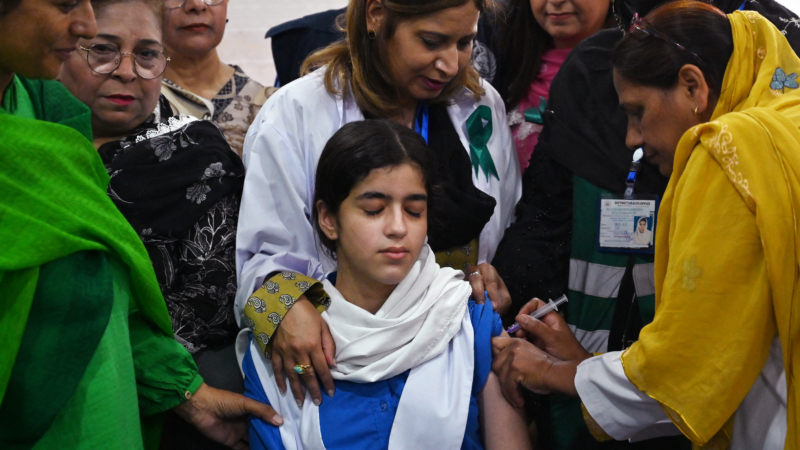
In a year of steep challenges, there were still shining moments in global health
The Trump administration's deep cuts in U.S. foreign health aid had a devastating impact. Yet there were achievements of note in spite of it all.
An escalation in Yemen threatens to reignite civil war and widen tensions in the Gulf
Saudi Arabia bombed Yemen's port city of Mukalla, targeting a shipment of weapons from the United Arab Emirates for separatist forces. The UAE later said it would withdraw its forces from Yemen.
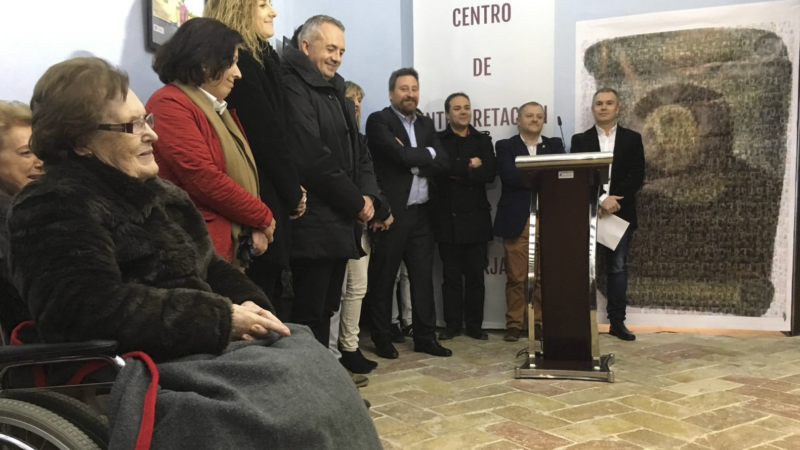
Cecilia Giménez, the artist who ‘restored’ the face of Jesus, has died at 94
Giménez international attention after she attempted to restore an old fresco. While it was immediately ridiculed at the time, the piece eventually turned into a tourist attraction.
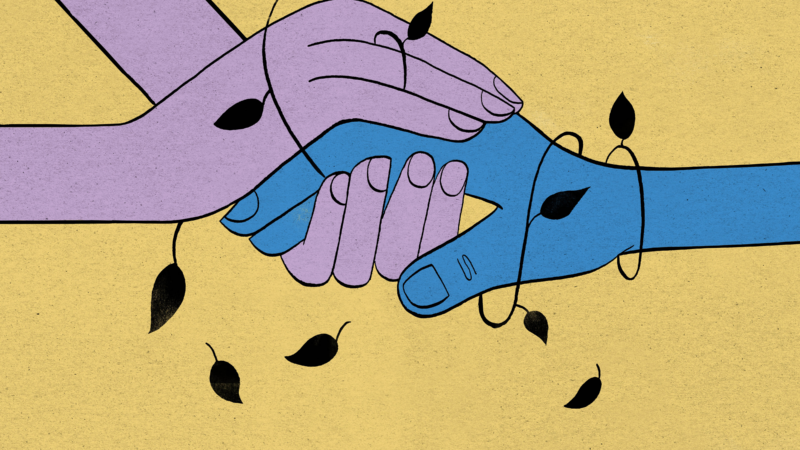
What being around death taught this hospital chaplain about life
J.S. Park helps patients and their families cope with death every day as a hospital chaplain. He explains what to expect as a person is dying, and how to reckon with uncomfortable feelings about death.
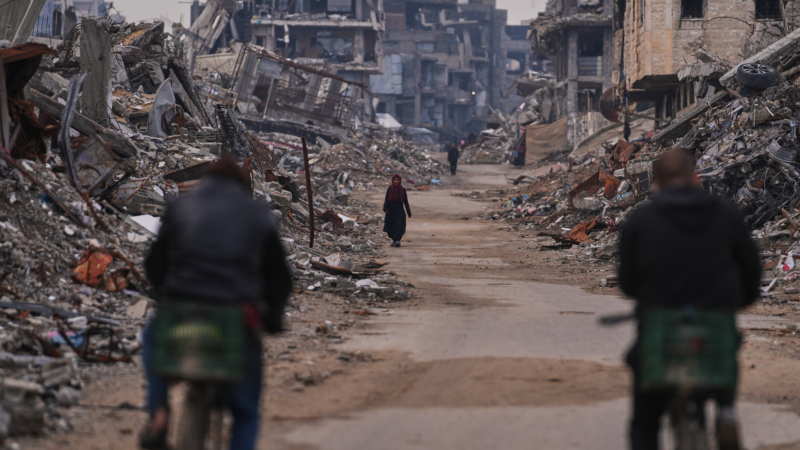
Israel says it will bar aid groups, including Doctors Without Borders, from Gaza
Israel accused Doctors Without Borders, one of the largest health organizations operating in Gaza, of failing to clarify the roles of some staff that Israel accused of cooperation with militants.