
Efforts to fight foreign influence and protect elections in question under Trump
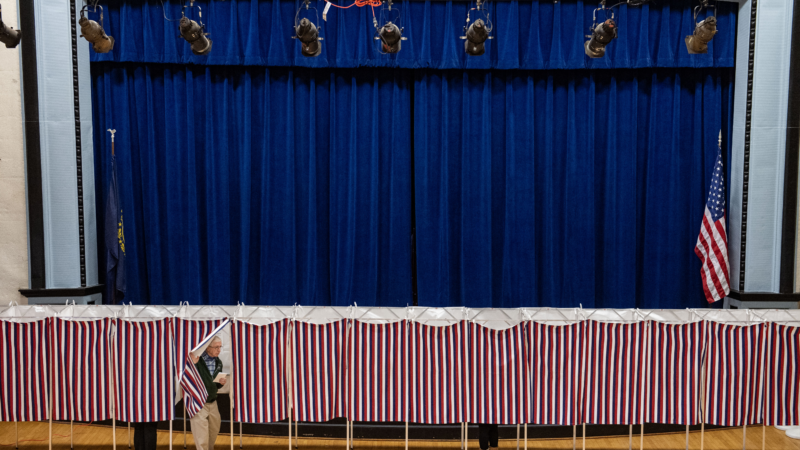
The new Trump administration is moving quickly to roll back long-standing work to counter foreign influence in U.S. elections, work that began in the first Trump term after revelations about the extent and ambition of Russia’s efforts to sway the 2016 election.
Staffers working on countering foreign mis- and disinformation as well as a team of 10 regional election security advisers at the Department of Homeland Security’s Cybersecurity and Infrastructure Security Agency (CISA) have been put on administrative leave, according to two sources directly familiar with the matter who spoke to NPR on condition of anonymity out of fear of reprisal.
In addition to the disruption to CISA’s work, Attorney General Pam Bondi also ordered an end to an FBI task force to combat foreign influence campaigns in American politics by Russia, China and other countries. The order seeks to “free resources to address more pressing priorities, and end risks of further weaponization and abuses of prosecutorial discretion, the Foreign Influence Task Force shall be disbanded.” She also rolled back the Justice Department’s enforcement of the Foreign Agents Registration Act that has been used to prosecute Americans receiving covert funding from other countries.
Experts working on technology, human rights and digital governance at the United States Agency for International Development can no longer do their work during a Trump administration effort to shut down the agency, leaving a vacuum for Russia and China to step in, experts have argued.
In his first term, President Trump frequently aired his frustrations about the allegations that Russia interfered on his behalf. U.S. government officials have also outlined attempts by adversaries like Iran to damage Trump’s candidacy for office. Trump has also repeatedly alleged that the 2020 U.S. presidential election was “stolen” without any evidence, claims that CISA directly countered at the time and led to the dismissal of the agency’s head at the time.
CISA and DHS did not respond to requests for comment.
Election security experts NPR talked to have been deeply concerned about the Trump administration’s targeting of civil servants who counter threats to elections, from mis- and disinformation to regional security threats ranging from ransomware to problems with voting technology. While there are some employees still working on election security issues at CISA, it’s unclear whether or not they will also be put on administrative leave in the coming weeks, the two sources familiar with CISA’s internal operations said.
“Every cut made to our election security and foreign malign influence operations is like handing a gift on a silver platter to our foreign adversaries such as Russia, China and Iran,” said Kathy Boockvar, president of consulting firm Athena Strategies and former secretary of state for Pennsylvania. “It directly strengthens their ability to invade our national security and interfere in our elections, leaving every American citizen more vulnerable.”
Boockvar, who served as the co-chair of the Elections Committee of the National Association of Secretaries of State during the 2020 election, was particularly concerned about the loss of cybersecurity support to regional election administrators. She said CISA’s regional officers, alongside the members of FBI’s foreign influence task force, were a “tremendous support” to the people securing state and local elections across the country, and their loss will be costly and challenging.
Trump signed the bill that created CISA in 2018
In remarks Trump made at the 2018 bill signing that created CISA, it was needed in order to “confront the full range of threats from nation-states, cyber criminals, and other malicious actors, of which there are many.”
Like several other government agencies tasked with national security and defending U.S. critical infrastructure, CISA also took on an election security portfolio.
However, there was already bad blood between Trump and investigators who sought to illustrate the impacts of widespread Russian disinformation on the 2016 U.S. presidential election. Department of Justice special counsel Robert Mueller did not find evidence to definitively prove the Trump campaign colluded with Russian officials to influence the outcome of the election, but he did find evidence of Russian interference to bolster Trump’s campaign and denigrate Democratic candidate Hilary Clinton.
Trump has long called the Mueller investigation a “hoax” that never should have happened.
But during the 2020 U.S. presidential election, Trump then spread and promoted more false narratives, including about widespread voter fraud, before President Joe Biden ultimately won. CISA and others debunked many of those claims through a webpage called Rumor Control. Those public contradictions led Trump, in part, to dismiss the then director of CISA, Christopher Krebs.
Since then, Republicans have attacked CISA, arguing the agency exceeded its job description and infringed on conservative free speech, an allegation CISA leadership has vehemently denied.
In her confirmation hearing, Homeland Security Secretary Kristi Noem vowed to shrink CISA. She said the agency has gone “far off mission” and committed to limiting its role in combating online fake news from adversaries like Russia, China and Iran.
In the weeks after Trump was inaugurated for his second term, experts hoped there might be a window to preserve CISA’s functions and independence. Republicans toned down attacks on the agency, particularly after CISA was instrumental in revealing a widespread Chinese espionage campaign targeting U.S. telecoms that directly impacted Trump and Vice President JD Vance. CISA was initially excluded from a broader effort to shrink the federal government by President Trump’s government team called the Department of Government Efficiency, or DOGE.
However, late Feb. 5, eligible CISA employees were offered the chance to take deferred resignation offers in exchange for eight months pay. It’s still unclear if those offers are legal or if they will be funded by congressional appropriations beyond March.
Have information you want to share about the ongoing changes at CISA or across the federal government? Reach out to Jenna McLaughlin, who is available through encrypted communications on Signal at JennaMcLaughlin.54

Indiana completes undefeated season and wins first national title, beating Miami
Indiana bullied its way into the history books Monday night, toppling Miami 27-21 to put the finishing touch on a rags-to-riches story, an undefeated season and the national title.
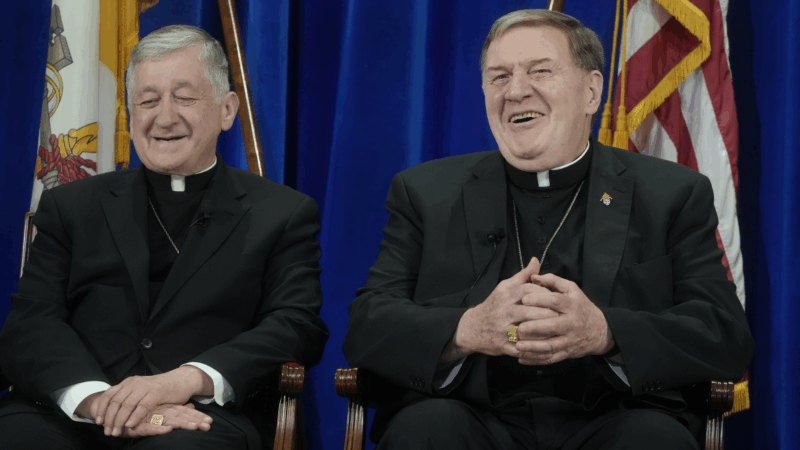
Top U.S. archbishops denounce American foreign policy
The three most-senior cardinals leading U.S. archdioceses issued the rebuke in a joint statement on Monday, saying recent policies have thrown America's "morale role in confronting evil" into question.

Italian fashion designer Valentino dies at 93
Garavani built one of the most recognizable luxury brands in the world. His clients included royalty, Hollywood stars, and first ladies.
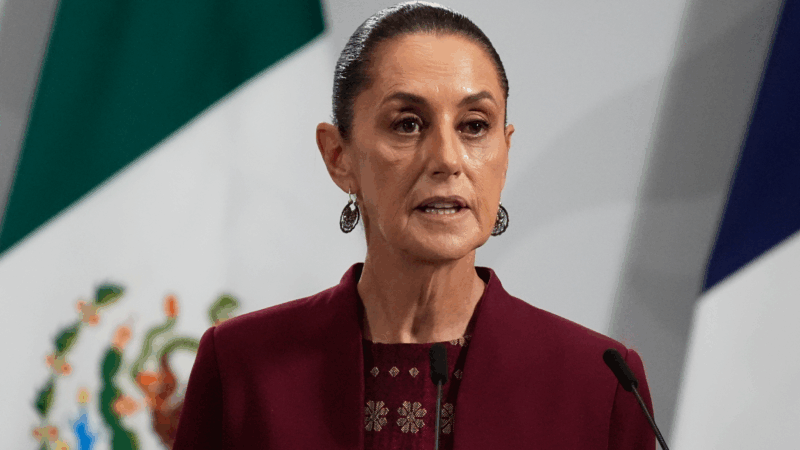
Sheinbaum reassures Mexico after US military movements spark concern
Mexican President Claudia Sheinbaum quelled concerns on Monday about two recent movements of the U.S. military in the vicinity of Mexico that have the country on edge since the attack on Venezuela.
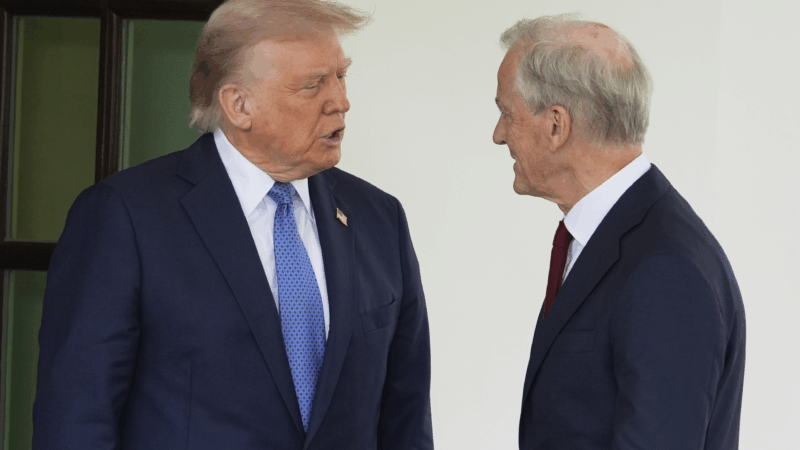
Trump says he’s pursuing Greenland after perceived Nobel Peace Prize snub
"Considering your Country decided not to give me the Nobel Peace Prize… I no longer feel an obligation to think purely of Peace," Trump wrote in a message to the Norwegian Prime Minister.

Can exercise and anti-inflammatories fend off aging? A study aims to find out
New research is underway to test whether a combination of high-intensity interval training and generic medicines can slow down aging and fend off age-related diseases. Here's how it might work.
