
Effort to pay at least some federal workers fails in Senate

The Senate has failed to advance a pair of competing measures to pay at least some federal employees during the government shutdown, a day before more than a million workers are set to miss a paycheck.
One of the failed bills was a Republican-backed measure to allow employees who are deemed essential to receive a paycheck during a shutdown. Those workers, including troops, TSA agents and federal law enforcement like the Capitol Police, are currently working without pay.
An alternate version introduced by Democrats called for paying all federal employees – and blocking more mass layoffs by the Trump Administration’s Office of Management and Budget during the shutdown.
“We certainly shouldn’t set up a system where the president of the United States gets to decide what agencies to shut down, who to pay and who not to pay, who to punish, who not to punish,” said the sponsor of that bill, Sen. Chris Van Hollen, D-Md.
Earlier this month, the White House fired several thousand federal employees, a move the courts later put on hold.
“I don’t think we should limit the president’s ability, the chief executive’s ability, to properly manage the federal government, and make the tough decisions sometimes to reduce the workforce,” said Sen. Ron Johnson (R-Wisc.) who introduced the GOP funding measure.
The Republican-backed measure did not receive the 60 votes needed to pass. Republicans blocked the Democrats’ version from a vote.
The names themselves of the rival proposals highlight the growing tensions between Democrats and Republicans as the shutdown stretches on. Republicans named their measure, “The Shutdown Fairness Act.” Democrats titled theirs the, “True Shutdown Fairness Act.”
During a Thursday press conference, House Republicans called attention to air traffic controllers who are working without pay.
“We are all about safety,” Transportation Secretary Sean Duffy said. “But I can’t guarantee you that your flight’s going to be on time. I can’t guarantee you that your flight’s not going to be cancelled.”
The federal government has now been closed for 23 days, the second-longest in U.S. history and the longest full shutdown.
Senate Republicans want to advance a House-passed bill that would temporarily fund the government at current levels, while Democrats are holding out for a deal to extend health insurance subsidies expiring soon.
Many Republican lawmakers think Thanksgiving travel headaches will be a tipping point for Democrats. Democrats are also under pressure as states are beginning to announce that funding for the Supplemental Nutrition Program, known as SNAP or food stamps, will run out soon.
Democrats have also said that premium spikes during the open enrollment period beginning Nov. 1 for health plans purchased on the Affordable Care Act marketplace will push Republicans to budge.
The Senate has now voted 12 times on the Republican-backed funding bill. The House has not held votes for several weeks, and senators are preparing to leave town for the weekend.
Top Congressional leaders, Republican and Democrat, say they are no closer to agreeing to a path to reopen the government.

HUD proposes time limits and work requirements for rental aid
The rule would allow housing agencies and landlords to impose such requirements "to encourage self-sufficiency." Critics say most who can work already do, but their wages are low.
Paramount and Warner Bros’ deal is about merging studios, and a whole lot more
The nearly $111 billion marriage would unite Paramount and Warner film studios, streamers and television properties — including CNN — under the control of the wealthy Ellison family.

A new film follows Paul McCartney’s 2nd act after The Beatles’ breakup
While previous documentaries captured the frenzy of Beatlemania, Man on the Run focuses on McCartney in the years between the band's breakup and John Lennon's death.

An aspiring dancer. A wealthy benefactor. And ‘Dreams’ turned to nightmare
A new psychological drama from Mexican filmmaker Michel Franco centers on the torrid affair between a wealthy San Francisco philanthropist and an undocumented immigrant who aspires to be a dancer.
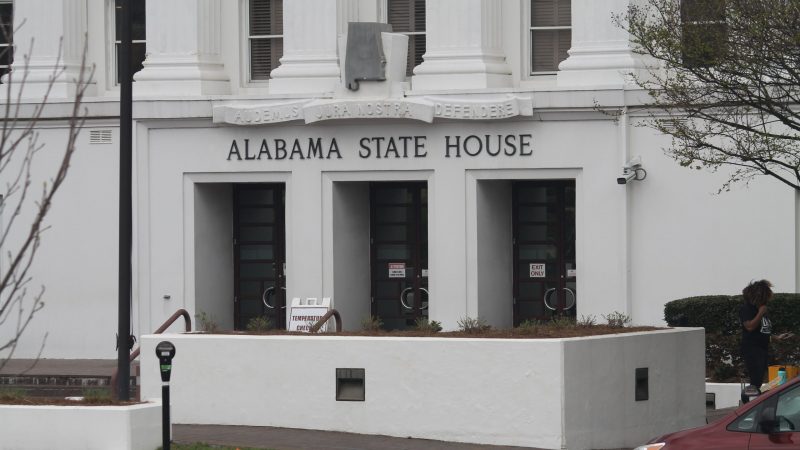
Bill making the Public Service Commission an appointed board is dead for the session
Usually when discussing legislative action, the focus is on what's moving forward. But plenty of bills in a legislature stall or even die. Leaders in the Alabama legislature say a bill involving the Public Service Commission is dead for the session. We get details on that from Todd Stacy, host of Capitol Journal on Alabama Public Television.
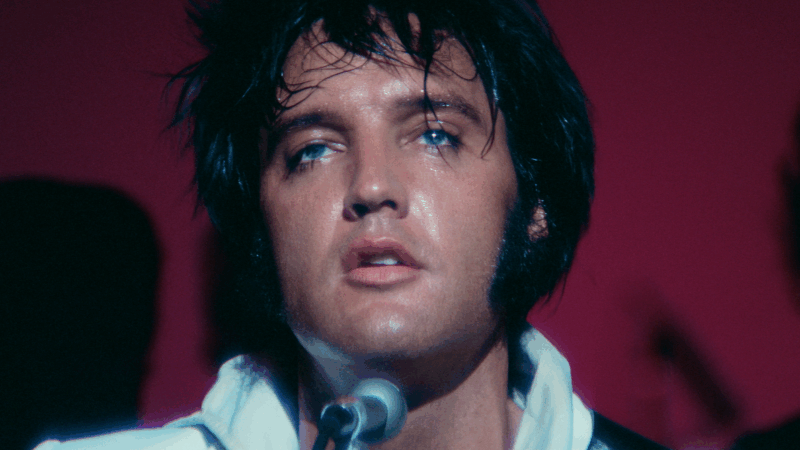
Baz Luhrmann will make you fall in love with Elvis Presley
The new movie is made up of footage originally shot in the early 1970s, which Luhrmann found in storage in a Kansas salt mine.
