
Did you love ‘Holes’ growing up? Good news, Louis Sachar is still writing for you
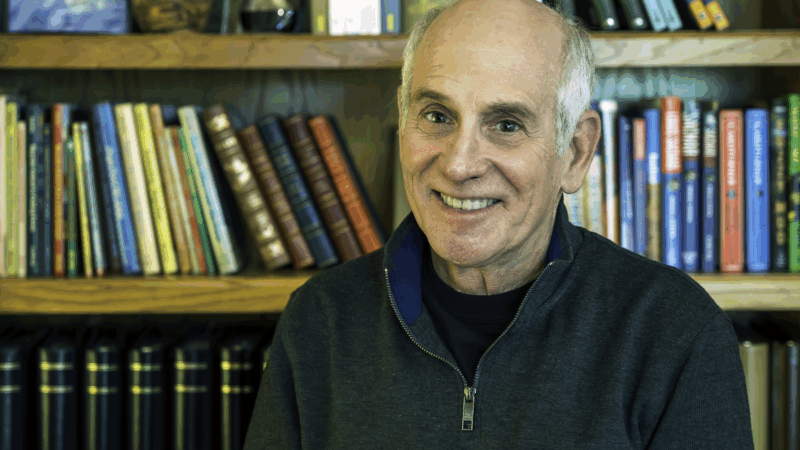
Louis Sachar, the author of Holes and the Wayside School series, has spent nearly half a century writing books for kids. And he was originally going to continue that streak with his new novel, The Magician of Tiger Castle.
It takes place in the 16th century, in the Kingdom of Esquaveta. The young Princess Tullia is betrothed to a no-good prince of a rival kingdom. She’s in love with a man named Pito whom her father has locked up in the dungeon.
But then there’s Anatole. The middle-aged potions guy who is Princess Tullia’s close friend and confidant. In the early drafts, Anatole was just the quirky narrator. But Sachar says he just took over the whole narrative, “and you can’t really have a children’s book with a 40-year-old main character.”
Sachar was in his early 20s when he wrote his first book, Sideways Stories from Wayside School. Now in his 70s, he says he feels less connected to the kids now, “but I still feel connected to the people who grew up reading my books. And so I’m hoping that you’ll feel the same kind of fun and joy and excitement reading this book as you remember from Holes or Wayside School.”

There’s a lot of fun to be had in Tiger Castle. Anatole uses his brews and concoctions to do all sorts of wild things, but he doesn’t have a 100%success rate. For instance, one of his experiments left him completely hairless, “so throughout the book, you never know if something is going to go really horribly wrong with any of his experiments,” Sachar says. Also, being in his 70s now, Sachar jokes that he’s got hair growing from his ears and nose, which he hates, so there’s some wish fulfillment to this bit of characterization.
When Sachar first started writing for kids, his philosophy was solely focused on writing fun stories, “to get kids to realize how much and how enjoyable reading can be.” At the time he thought he was just going to write one children’s book, and then become a “serious writer.”
“That was then,” he says. “I don’t discount the seriousness of writing children’s books. But at the time I did.”
On his book tour for Tiger Castle, Sachar says, he felt exactly how serious that work was. He heard from adults who told him they didn’t like to read until they read his books. And he heard from teachers who told him they’re teaching his books in their classes. “You can’t ask for anything more than that,” he says.
Sachar dedicated The Magician of Tiger Castle to “The Cool Breezers,” which are a crew of friends he had in high school. They lost touch over time but in the last 20 years or so started reconnecting and, now, The Cool Breezers are closer than ever.
For a certain generation, this book is like checking back in with an old friend. A touch wiser. Maybe a bit more concerned with ear and nose hair. But just as good of a hang.
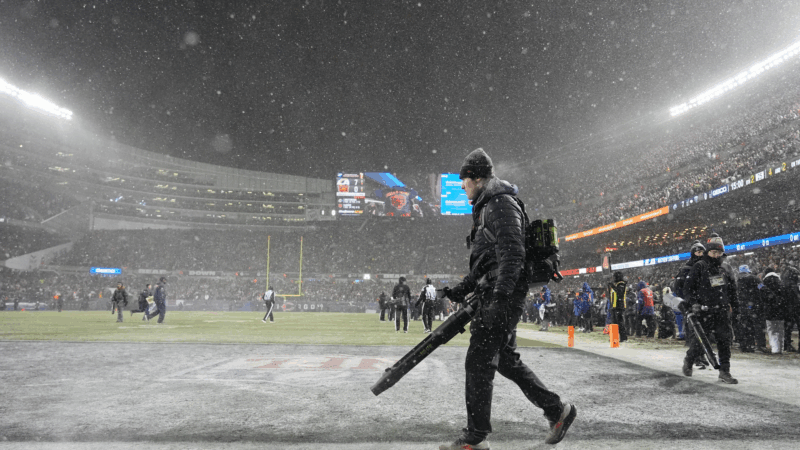
Why the Chicago Bears could be moving to Indiana
While Illinois is trying to keep the team in Chicago's suburbs, Indiana lawmakers are offering a plan to finance a new stadium
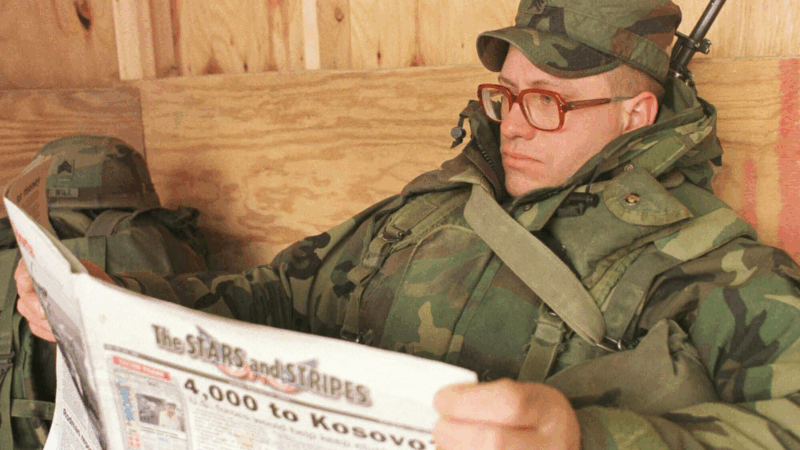
Pentagon tightens controls over Stars and Stripes after calling it “woke”
The new rules for the independent military newspaper are the Defense Department's latest effort to put extraordinary restrictions on journalists covering the agency.
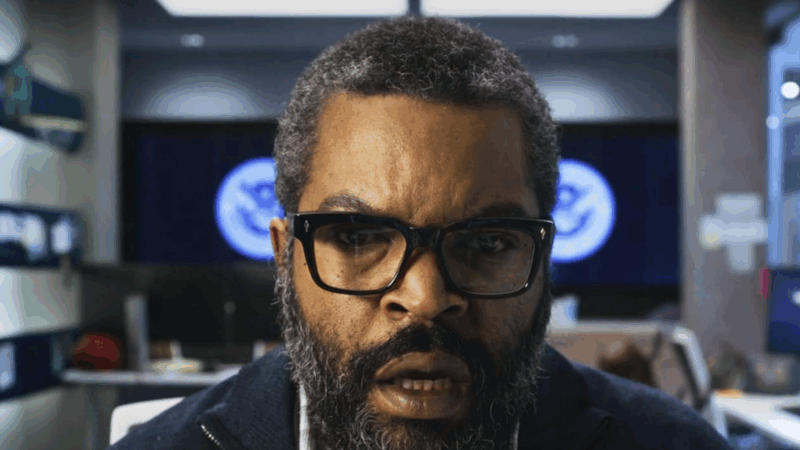
‘War of the Worlds’ remake sinks to the bottom at this year’s Razzie Awards
The surveillance industry version of HG Wells' 1898 classic sci-fi novel stars Ice Cube, and won accolades for worst picture, actor, director and more.
Russian strike on Kyiv region kills 4 and wounds 15, with peace talks stalled
The strikes comes after the United States paused ceasefire talks between Russia and Ukraine due to the war with Iran.
As the risk of measles grows, why are parents so divided on vaccines?
In South Carolina, some parents embrace vaccines, others opt out. Why do people make such different choices? A mix of politics, distrust and misinformation is pushing neighbors apart.
Brazil’s ex-President Bolsonaro is in intensive care with pneumonia, hospital says
One of Bolsonaro's doctor's described the former Brazilian president's medical condition as "serious."
