
China vows to stand firm against Trump’s 100% tariff threat
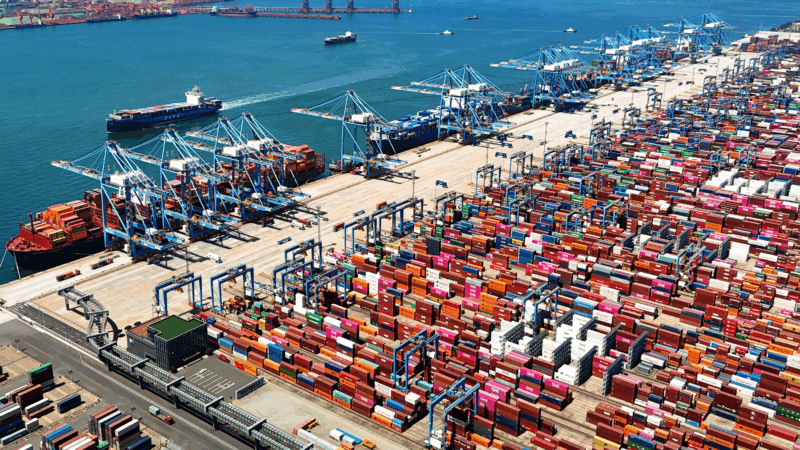
BEIJING — China signaled Sunday that it would not back down in the face of a 100% tariff threat from President Donald Trump, urging the U.S. to resolve differences through negotiations instead of threats.
“China’s stance is consistent,” the Commerce Ministry said in a statement posted online. “We do not want a tariff war but we are not afraid of one.”
It was China’s first official comment on Trump’s threat to jack up the tax on imports from China by Nov. 1 in response to new Chinese restrictions on the export of rare earths, which are vital to a wide range of consumer and military products.
The back and forth threatens to derail a possible meeting between Trump and Chinese leader Xi Jinping and end a truce in a trade war in which new tariffs from both sides briefly topped 100% in April.
Trump has raised taxes on imports from many U.S. trading partners since taking office in January, seeking to win concessions. China has been one of the few countries that hasn’t backed down, relying on its economic clout.
“Frequently resorting to the threat of high tariffs is not the correct way to get along with China,” the Commerce Ministry said in its post, which was presented as a series of answers from an unnamed spokesperson to four questions from unspecified media outlets.
The statement called for addressing any concerns through dialogue.
“If the U.S. side obstinately insists on its practice, China will be sure to resolutely take corresponding measures to safeguard its legitimate rights and interests,” the post said.
In addition to the 100% tariff, Trump threatened to impose export controls on what he called “critical software,” without specifying what that means.
Both sides accuse the other of violating the spirit of the truce by imposing new restrictions on trade.
Trump said in a social media post that China is “becoming very hostile” and that it is holding the world captive by restricting access to rare earth metals and magnets.
The Chinese Commerce Ministry post said the U.S. has introduced several new restrictions in recent weeks, including expanding the number of Chinese companies subject to U.S. export controls.
On rare earths, the ministry said that export licenses would be granted for legitimate civilian uses, noting that the minerals also have military applications.
The new regulations include a requirement that foreign companies get Chinese government approval to export items that contain rare earths sourced from China, no matter where the products are manufactured.
China accounts for nearly 70% of the world’s rare earths mining and controls roughly 90% of their global processing. Access to the material is a key point of contention in trade talks between Washington and Beijing.
The critical minerals go into many products, from jet engines, radar systems and electric vehicles to consumer electronics including laptops and phones. China’s export controls have hit European and other manufacturers, as well as American ones.
The Commerce Ministry statement said that the U.S. is also ignoring Chinese concerns by going forward with new port fees on Chinese ships that take effect Tuesday. China announced Friday that it would impose port fees on American ships in response.
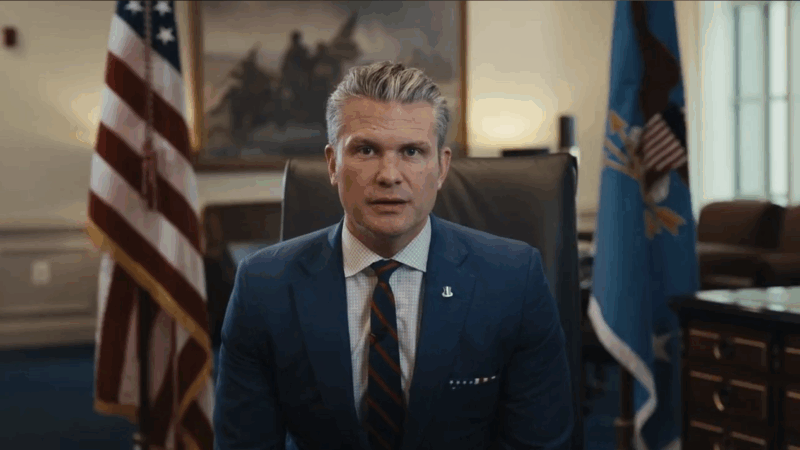
Pentagon puts Scouts ‘on notice’ over DEI and girl-centered policies
After threatening to sever ties with the organization formerly known as the Boy Scouts, Defense Secretary Hegseth announced a 6-month reprieve

President Trump bans Anthropic from use in government systems
Trump called the AI lab a "RADICAL LEFT, WOKE COMPANY" in a social media post. The Pentagon also ordered all military contractors to stop doing business with Anthropic.

HUD proposes time limits and work requirements for rental aid
The rule would allow housing agencies and landlords to impose such requirements "to encourage self-sufficiency." Critics say most who can work already do, but their wages are low.
Paramount and Warner Bros’ deal is about merging studios, and a whole lot more
The nearly $111 billion marriage would unite Paramount and Warner film studios, streamers and television properties — including CNN — under the control of the wealthy Ellison family.

A new film follows Paul McCartney’s 2nd act after The Beatles’ breakup
While previous documentaries captured the frenzy of Beatlemania, Man on the Run focuses on McCartney in the years between the band's breakup and John Lennon's death.

An aspiring dancer. A wealthy benefactor. And ‘Dreams’ turned to nightmare
A new psychological drama from Mexican filmmaker Michel Franco centers on the torrid affair between a wealthy San Francisco philanthropist and an undocumented immigrant who aspires to be a dancer.
