
Candidates have legal standing to challenge election laws, the Supreme Court rules
The U.S. Supreme Court ruled Wednesday that political candidates have the legal standing to challenge election laws before voting or counting starts.
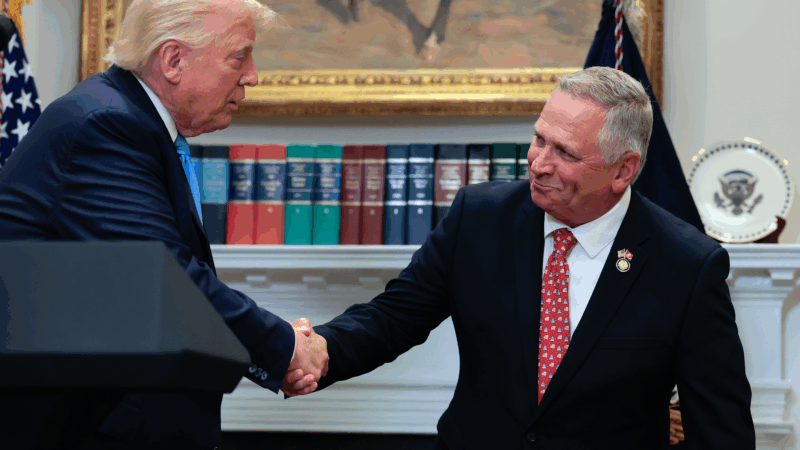
The case before the court was brought by Illinois Republican U.S. Rep. Michael Bost and other candidates, who wanted to challenge a state law that allows election officials to count mail ballots that arrive up to two weeks after Election Day, as long as they’re postmarked on time.
Many states have laws that offer a buffer, or grace period, to voters to return mail ballots in case there are issues with the postal service, for example.
A lower court ruled that Bost did not have standing to challenge the Illinois law.
The conservative-majority Supreme Court, in a 7-2 ruling, disagreed.
Chief Justice John Roberts authored the opinion, writing that “[c]andidates have a concrete and particularized interest in the rules that govern the counting of votes in their elections, regardless whether those rules harm their electoral prospects or increase the cost of their campaigns.”
Justice Amy Coney Barrett wrote a concurring opinion, joined by liberal Justice Elena Kagan. Liberal Justices Ketanji Brown Jackson and Sonia Sotomayor dissented.
In her dissent, Justice Jackson argued that the court was giving candidates the ability to sue in advance of provable harm, despite the fact that most voters don’t have that ability.
“In a democratic society like ours, the interest in a fair electoral process is common to all members of the voting public,” she wrote. “I believe that political candidates can and should be held to the same actual-injury requirements as other litigants.”
The ruling was cheered by the conservative group Restoring Integrity and Trust in Elections, with its president, Justin Riemer, writing in a statement that the decision is “a major win for the rule of law in our elections. Too many courts for too long have avoided grappling with legitimate and meritorious challenges to election rules by dismissing cases on standing grounds.”
But Wendy Weiser with the Brennan Center for Justice warned that allowing candidates to challenge laws without proving harm first could also create an influx of frivolous lawsuits.
“At a time of conspiracy theories & stress on elections, SCOTUS just opened the floodgates to candidates challenging election rules,” she wrote on X, “regardless of whether those rules will impact their races. Bost could unleash frivolous suits to undermine election confidence or disrupt results.”
Richard Pildes, a legal scholar at NYU School of Law, wrote for Election Law Blog that he believes the court’s decision was right, however. He wrote that it “will advance the important systemic interest in having the legality of election laws resolved in advance of elections.”
He wrote that waiting until actual harm is provable creates “fraught circumstances” by forcing any sort of legal resolution until after voting — and often counting — has completed.
“One of the important policies about the conduct of election[s] is that the rules be clearly settled in advance of the election,” he wrote. “The Bost decision will contribute to that important aim of the election system.”
While the Bost case dealt with the narrow issue of legal standing, the Supreme Court will also consider a separate challenge to mail ballot grace periods themselves.
Trump administration rolls back $2 billion mental health, addiction grant cuts
Sweeping cuts to mental health and addiction programs worth more than $2 billion are being reversed. After a political backlash from Republicans and Democrats, the grant money will be restored.
Senate Republicans block Venezuela war powers resolution
The resolution would have forced President Trump to get authorization from Congress before launching military operations in Venezuela. It was blocked after having previously advanced with GOP support.
U.S. to suspend immigrant visas from 75 countries over public assistance concerns
The State Department says it will suspend the processing of immigrant visas for citizens of 75 countries whose nationals are deemed likely to require public assistance while living in the United States.
In a win for Democrats, court allows California’s redistricting plan to proceed
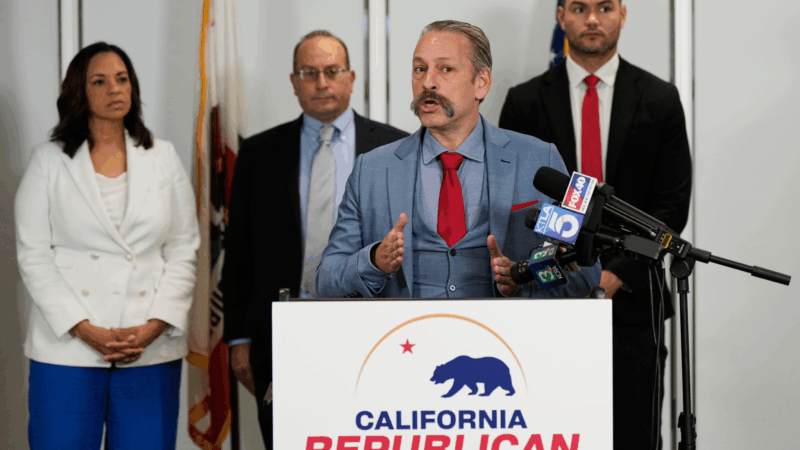
In November, California voters approved a new congressional map that could help Democrats win five more House seats and counter the Republican redistricting that President Trump has prompted in other states.

‘Stranger Things’ brings Prince and Fleetwood Mac back to the charts
Netflix's Stranger Things finale, which dropped Dec. 31, is shaking up the Billboard Hot 100.
Denmark says there’s a ‘fundamental disagreement’ with Trump over Greenland
The two sides agreed to create a working group to discuss ways to work through differences as President Trump continues to call for a U.S. takeover of Denmark's Arctic territory of Greenland.
