
Ben & Jerry’s co-founder Jerry Greenfield resigns over dispute with owner Unilever

Jerry Greenfield, co-founder of the beloved ice cream brand Ben & Jerry’s, announced this week that he’s resigned from the company he helped create in the late 1970s over an ongoing dispute with its parent company, Unilever.
The Vermont-based ice cream maker, with its zany packaging and inventive flavors, has long been known for its progressive politics and the company routinely speaks out on social issues.
But in a public resignation letter posted online Tuesday, Greenfield said Ben & Jerry’s “has been silenced, sidelined for fear of upsetting those in power” by Unilever, the multinational corporation that bought Ben & Jerry’s in 2000.
“And it’s happening at a time when our country’s current administration is attacking civil rights, voting rights, the rights of immigrants, women, and the LGBTQ community,” Greenfield wrote.
“It was always about more than just ice cream; it was a way to spread love and invite others into the fight for equity, justice and a better world,” he added.
A long clash over independence
For years, Greenfield and his co-founder, Ben Cohen, have clashed with Unilever over the ice cream company’s independence and its ability to take public positions on political and social issues, from the war in Gaza to climate change. The 2000 merger agreement between Unilever and Ben & Jerry’s created an independent board, which was responsible for preserving the company’s social mission.
Ben & Jerry’s sued Unilever in March, accusing it of firing the Ben & Jerry’s CEO in retaliation for the company’s ongoing activism on social media.
In an emailed statement Wednesday, the Magnum Ice Cream Co., a standalone company within Unilever that includes the Ben & Jerry’s brand, said it was grateful to Greenfield for co-founding the company and for his service and support over the years.

“We disagree with his perspective and have sought to engage both co-founders in a constructive conversation on how to strengthen Ben & Jerry’s powerful values-based position in the world,” Magnum said.
“We remain committed to Ben & Jerry’s unique three-part mission – product, economic and social – and remain focused on carrying forward the legacy of peace, love, and ice cream of this iconic, much-loved brand,” the company added.
Magnum is set to split off from Unilever in mid-November, in what the two entities are calling a “demerger.”
Ann Lipton, a professor at the University of Colorado Law School, said the tension between Ben & Jerry’s and Unilever stems from their unusual merger agreement, which gave the Ben & Jerry’s board control over political and social messaging while Unilever maintained operational oversight.
“It’s very unclear where that line is,” Lipton said. “Part of what has been happening over the last couple of years is a struggle, with the board saying, ‘This is part of the social responsibility aspect,’ and Unilever saying, ‘No, it’s part of the operational aspect.’ “
“This is a marriage that has fallen apart,” Ben Cohen says
The co-founders, Greenfield and Cohen, have been pushing through the “Free Ben & Jerry’s” campaign for Unilever or Magnum to sell the company, but so far the effort has been unsuccessful.
According to Cohen, Unilever and Magnum are trampling on the independence of the company’s board and diminishing the social mission that customers love — and it doesn’t make sense for the companies to be connected.
“This is a marriage that has fallen apart, is definitely on the rocks,” Cohen said. “All we’re saying is, ‘It’s clear you don’t love us as we are anymore. Let us be free and let us find a socially-aligned owner, so that Magnum can be Magnum and Ben & Jerry’s can be Ben & Jerry’s.’ “
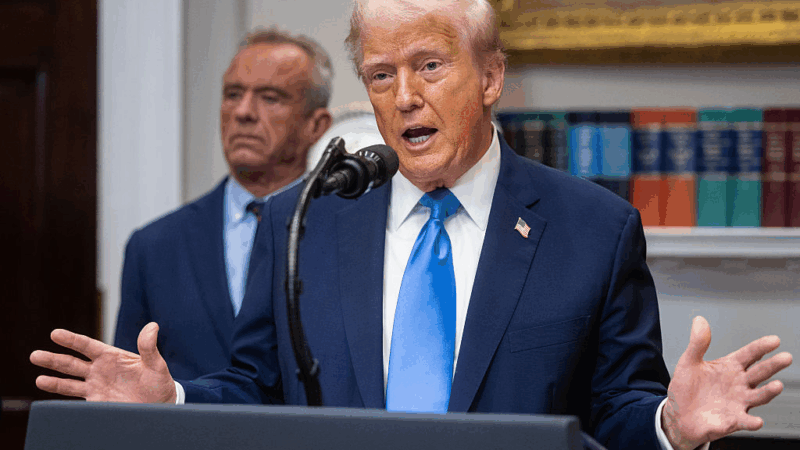
Pregnant women in ERs took less Tylenol after Trump autism warning
A study in The Lancet finds that pregnant women in emergency rooms used less Tylenol after President Trump said it could raise their babies' risk of autism. Scientists say there is no proven link.
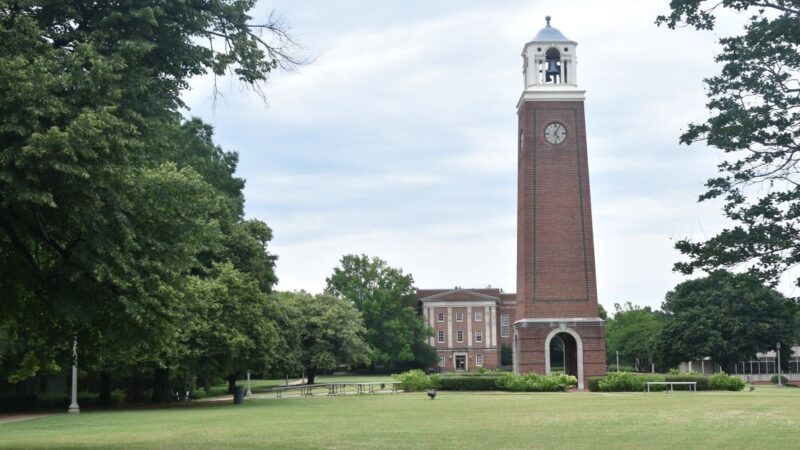
Mixed reactions, including relief, greet news the Coast Guard is buying BSC campus
The U.S. Coast Guard will take possession of the 192-acre campus in the northeast corner of Birmingham’s Bush Hills Neighborhood and will begin work to refit it as a training center for officers and enlisted personnel.
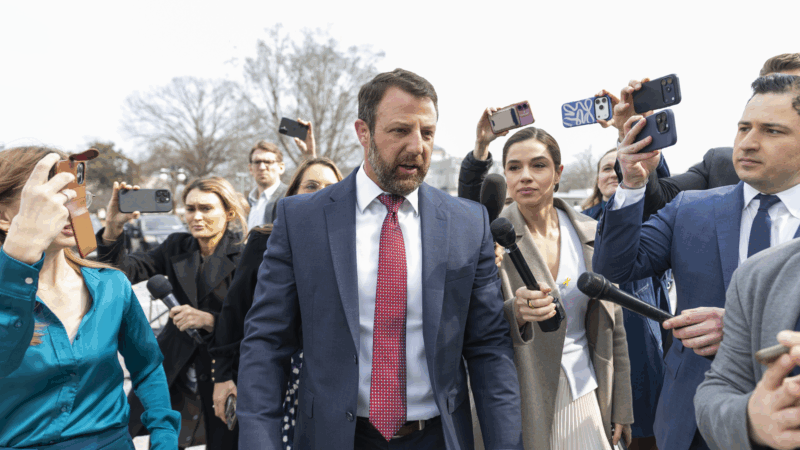
What you need to know about Sen. Markwayne Mullin, Trump’s new pick to lead DHS
President Trump announced Thursday that Sen. Markwayne Mullin, R-Okla., is his pick to replace Kristi Noem as the head of the Department of Homeland Security.
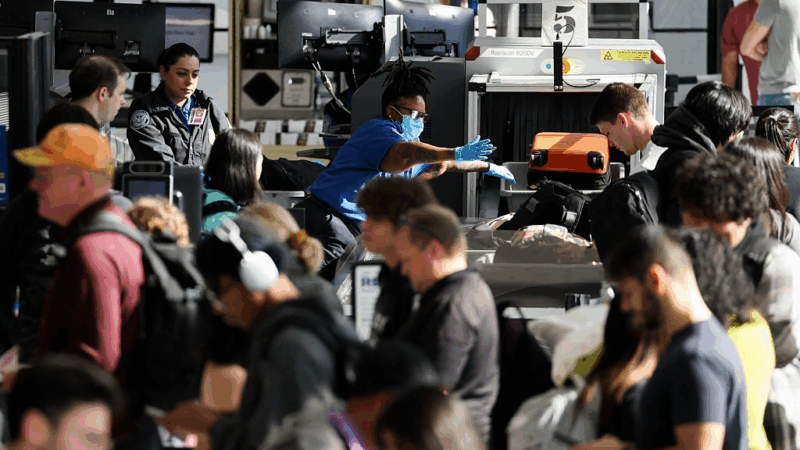
Travel industry pushes Congress to end DHS shutdown and pay federal security workers
With the busy spring break travel season looming, travel and aviation industry leaders urged Congress to end the stalemate over DHS funding before workers at TSA and ports miss a full paycheck.
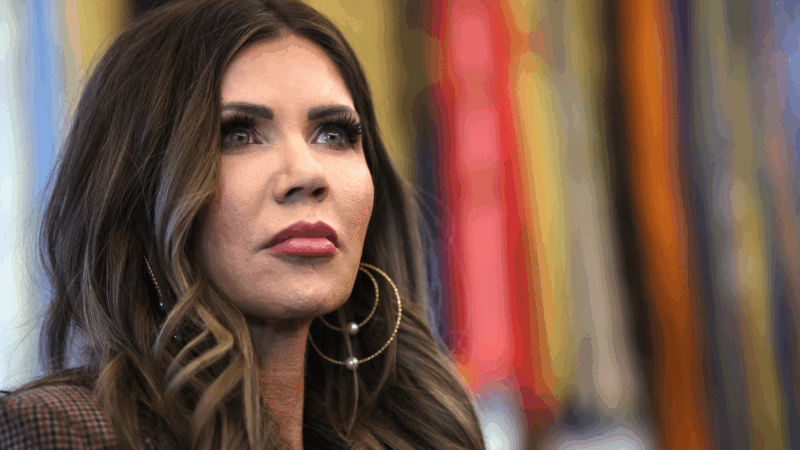
Trump fires Kristi Noem as DHS chief, names Sen. Markwayne Mullin to replace her
President Trump has fired his homeland security secretary, Kristi Noem, and said Markwayne Mullin, a senator from Oklahoma, would replace her.

Can a digital tablet cut back a country’s overuse of antibiotics?
Overprescribing antibiotics breeds antibiotic resistance. A new tool aims to lower a notably high rate of such prescriptions in Rwanda.
