
AstraZeneca makes deal with White House to lower drug prices
AstraZeneca became the second drugmaker to enter a deal with the Trump administration to offer lower prices to Medicaid and to offer some of its drugs at a discount through TrumpRx, a government website to facilitate sales directly to consumers.
“In other words the lowest price anywhere in the world, that’s what we get,” President Trump said during an Oval Office press conference Friday. The centerpiece of the deal is most-favored-nation pricing for drugs sold to Medicaid. That would link Medicaid prices to the lower ones paid in other developed countries.
As part of the deal, AstraZeneca will also offer discounts of up to 80% off list prices on direct sales to consumers, according to a company statement. Its drugs include inhalers like Bevespi Aerosphere for people with COPD and Airsupra for people with asthma. AstraZeneca, based in the U.K., also said it would expand drug manufacturing and research in the U.S.
In return for these commitments, the drug company will get a three-year exemption from certain tariffs.
The White House unveiled its plan for TrumpRx and a similar deal with Pfizer on Sept. 30. The website will help patients access drugs at lower prices — bypassing health insurance.
TrumpRx is part of a broader initiative the administration says is aimed at bringing prices paid by Americans more in line with those paid in other developed countries.
The announcement follows an executive order in May, and letters to 17 pharmaceutical companies sent out over the summer to push them to lower prices voluntarily.
The TrumpRx website is expected to launch sometime in 2026, and would take consumers to pharmaceutical companies’ direct-to-consumer websites to fulfill orders.
The impact of the Trump administration deals with pharmaceutical companies for consumers is unclear. Medicaid and its beneficiaries, for instance, already pay some of the lowest prices for drugs. And people with health insurance could spend less on their medicines through copays than buying them directly from AstraZeneca.
AstraZeneca also said Thursday that it would invest an additional $500 million in a new manufacturing facility in Virginia, raising the investment to $4.5 billion. That’s part of a $50 billion investment announced in July to expand manufacturing facilities in California, Indiana, Maryland, Massachusetts, Texas and Virginia, as well as other research and development efforts.
“For all the pharmaceutical companies out there — we’re talking to all of you, pick up a shovel,” said Dr. Mehmet Oz, who leads the Centers for Medicare and Medicaid Services, during the press conference.
Trump said his administration had gotten a total of $18 trillion total commitments to re-shore pharmaceutical manufacturing. NPR wasn’t immediately able to independently confirm that number.
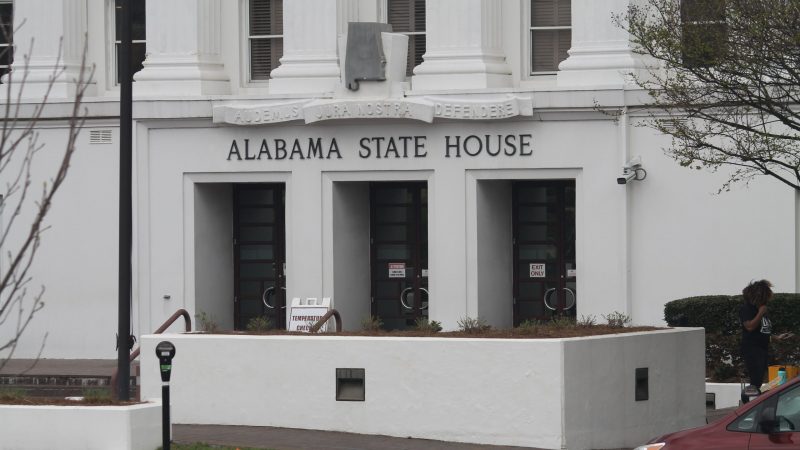
Bill making the Public Service Commission an appointed board is dead for the session
Usually when discussing legislative action, the focus is on what's moving forward. But plenty of bills in a legislature stall or even die. Leaders in the Alabama legislature say a bill involving the Public Service Commission is dead for the session. We get details on that from Todd Stacy, host of Capitol Journal on Alabama Public Television.
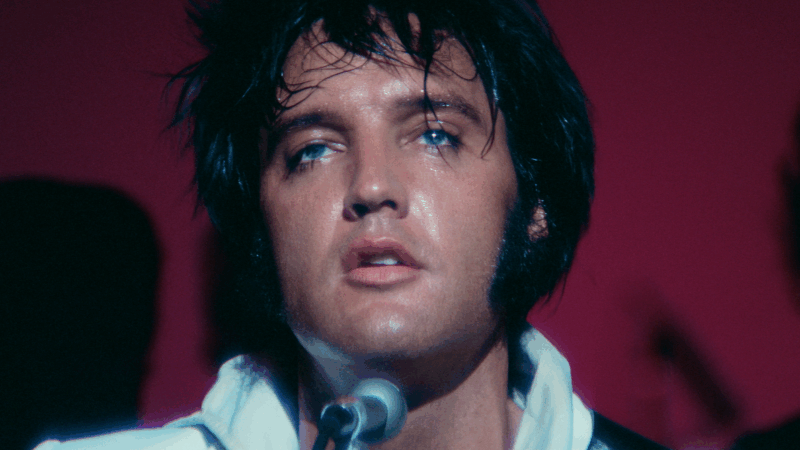
Baz Luhrmann will make you fall in love with Elvis Presley
The new movie is made up of footage originally shot in the early 1970s, which Luhrmann found in storage in a Kansas salt mine.
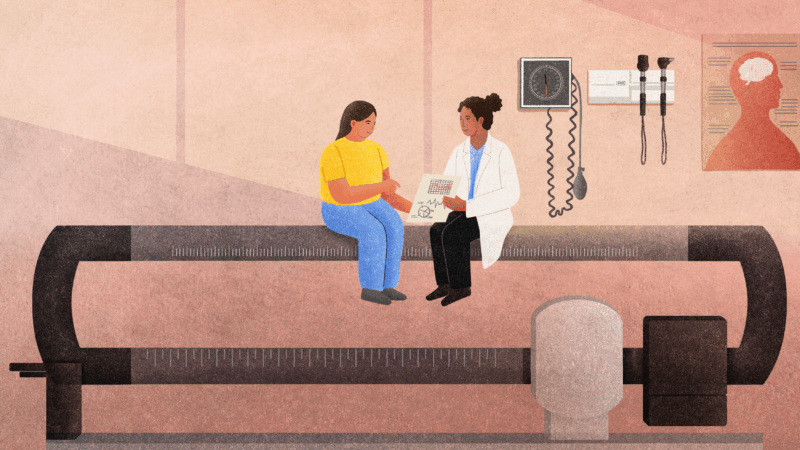
My doctor keeps focusing on my weight. What other health metrics matter more?
Our Real Talk with a Doc columnist explains how to push back if your doctor's obsessed with weight loss. And what other health metrics matter more instead.

Forget the State of the Union. What’s the state of your quiz score?
What's the state of your union, quiz-wise? Find out!

As the U.S. celebrates its 250th birthday, many Latinos question whether they belong
Many U.S.-born Latinos feel afraid and anxious amid the political rhetoric. Still, others wouldn't miss celebrating their country

A team of midlife cheerleaders in Ukraine refuses to let war defeat them
Ukrainian women in their 50s and 60s say they've embraced cheerleading as a way to cope with the extreme stress and anxiety of four years of Russia's full-scale invasion.
