
As drug deaths hit five-year low, Trump continues to cite fentanyl as major threat
Drug deaths in the U.S. have plunged dramatically and steadily since the summer of 2023, according to the latest preliminary data released by the Centers for Disease Control and Prevention.
Figures released this month by CDC show fatal overdoses falling to 77,648 in the 12-month period ending in March of this year. That’s the lowest tally of provisional predicted deaths from fentanyl and other street drugs since at least March 2020.
Despite the prolonged decline in overdose deaths, dating back to the middle of the Biden administration, President Donald Trump has continued to base a range of controversial policies — from trade tariffs to tougher criminal penalties — on his claim that fentanyl poses a growing threat to Americans.
Last month, Trump signed the “Halt Fentanyl Act,” establishing 10-year mandatory minimum prison sentences for people convicted of trafficking fentanyl.
“We renew our vow to liberate America from this horrible plague. We’ll be getting the drug dealers, pushers, and peddlers off our streets,” Trump said during the signing ceremony. “We will not rest until we’ve ended the drug overdose epidemic.”
Trump has also threatened military action against Mexico targeting drug cartels; imposed tariffs on nations based in part on false or exaggerated claims about their role in fentanyl trafficking; and falsely blamed fentanyl trafficking on undocumented migrants.
According to Trump, his crime emergency campaign in Washington, D.C., was also motivated in part by his desire to remove people addicted to fentanyl and other drugs from visible areas of the nation’s capital and pressure them to accept treatment.
In an interview with NPR, Dr. Stephen Taylor, head of the American Society of Addiction Medicine, called those tactics misguided: “[Addiction] is a chronic illness,” Taylor said. “It’s not the kind of thing where you sweep people up, you get them better and then they’re cured forever.”
Critics of Trump’s approach to the fentanyl fight also fear progress reducing overdose deaths could be crippled by Republican cuts to funding for health and addiction programs.
Big urban states and small rural states see dramatic improvement
But for now, drug deaths continue to ease, with many states seeing 30-40% improvements in the last year alone.
In West Virginia, fatal overdoses fell from 1,330 in the 12-month period through March 2024 to 772 in the 12-month period through March 2025. The provisional data suggests a stunning decline of nearly 42 percent.
Also, states with much higher population, including California, Florida and New York, are seeing big drops in deaths caused by street drugs. In all, drug deaths have eased by roughly one third from the peak measured in 2023.
Public health and addiction experts continue to study why overdoses are falling so precipitously.
Some cite successful efforts in disrupting criminal fentanyl supply chains. Others point to a rapid improvement in health care and treatment for people experiencing addiction.
The latest CDC data also revises a previous report that appeared to show a small but ominous uptick in drug deaths in the 12-month period ending in January of this year. The new data suggests fatal overdoses have now fallen consistently, without interruption, since the summer of 2023.

GOP Rep. Tony Gonzales of Texas ends reelection bid after admitting to affair with aide
Republican Rep. Tony Gonzales of Texas said late Thursday he was withdrawing from his reelection race, after having admitted an affair with a former staff member.

Pentagon labels AI company Anthropic a supply chain risk
The Pentagon said in a statement Thursday that it has "officially informed Anthropic leadership the company and its products are deemed a supply chain risk, effective immediately."
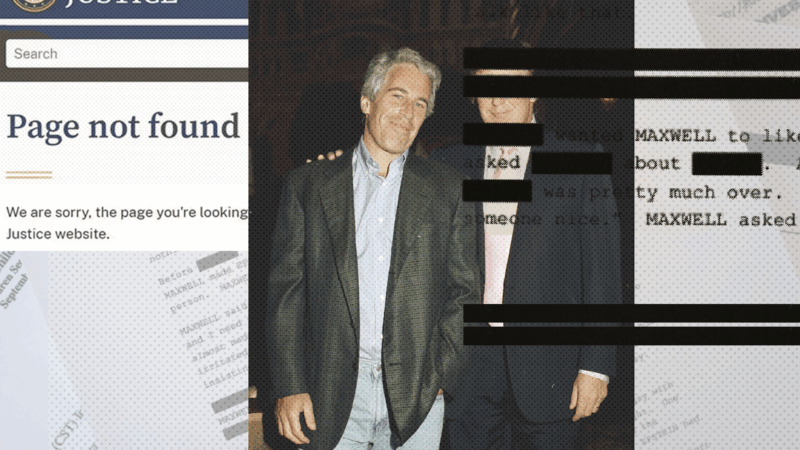
Justice Department publishes some missing Epstein files related to Trump
The Justice Department has published additional Epstein files related to allegations that President Trump sexually abused a minor after an NPR investigation found dozens of pages were withheld.
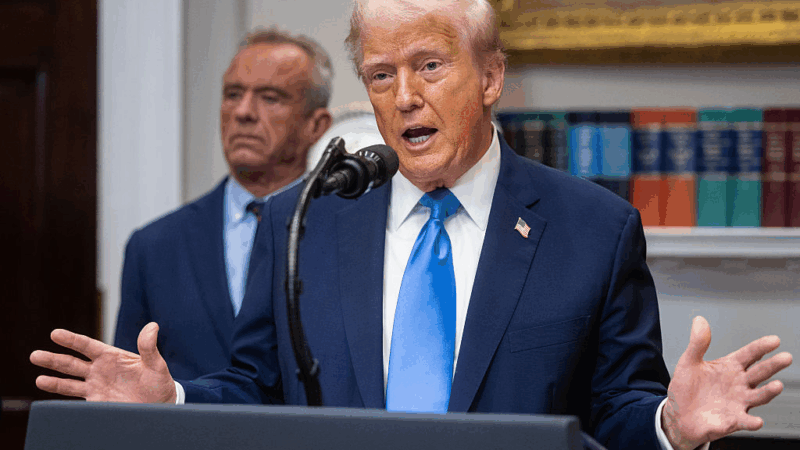
Pregnant women in ERs took less Tylenol after Trump autism warning
A study in The Lancet finds that pregnant women in emergency rooms used less Tylenol after President Trump said it could raise their babies' risk of autism. Scientists say there is no proven link.

Mixed reactions, including relief, greet news the Coast Guard is buying BSC campus
The U.S. Coast Guard will take possession of the 192-acre campus in the northeast corner of Birmingham’s Bush Hills Neighborhood and will begin work to refit it as a training center for officers and enlisted personnel.
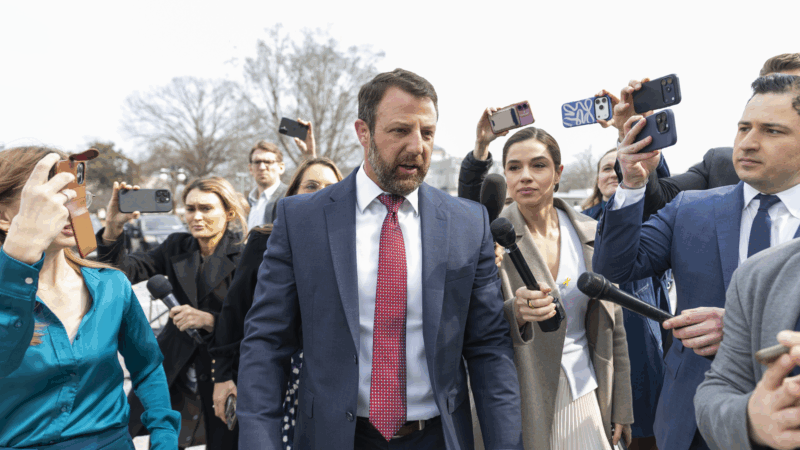
What you need to know about Sen. Markwayne Mullin, Trump’s new pick to lead DHS
President Trump announced Thursday that Sen. Markwayne Mullin, R-Okla., is his pick to replace Kristi Noem as the head of the Department of Homeland Security.
