Appeals court rules Trump can fire probationary federal workers once again
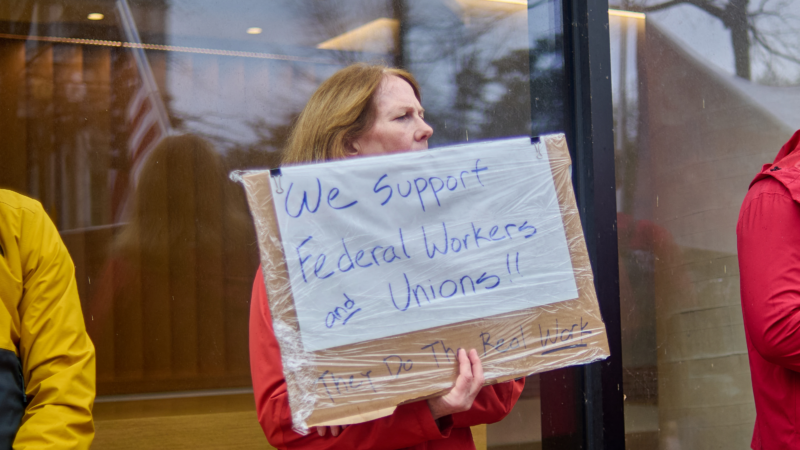
In a win for President Trump, a panel of judges on the Fourth Circuit Court of Appeals has vacated a lower court ruling ordering 20 federal agencies to reinstate tens of thousands of employees they had fired.
The decision further clears the way for the Trump administration to re-fire, for now, probationary employees. Those are typically federal workers in their first or second year on the job, or who have been recently promoted into new roles.
In a 2-to-1 decision, the appeals court said the Trump administration was likely to succeed in showing that the lower court lacked jurisdiction in the case, which was brought by 19 states and the District of Columbia. The court did not rule on whether the probationary firings were lawful. It’s expected to consider the merits of the case in coming weeks.
The ruling comes a day after the Supreme Court vacated a different lower court ruling that ordered six federal agencies to bring fired employees back to work.
In an unsigned decision, the Supreme Court said the nonprofits that brought that case likewise lacked standing. The justices also did not rule on whether the firings were lawful. The Ninth Circuit Court of Appeals will consider the merits of that case in coming weeks.
The two decisions represent a significant setback for the states, the unions and the civic organizations that had sued the government in an effort to block the summary firings of more than 24,000 federal workers.
After initial wins in the lower courts, fired probationary employees are largely back where they started before the lawsuits were filed — save for thousands of Department of Agriculture employees who have been reinstated through April 18 by order of the Merit Systems Protect Board, a federal agency that considers employees’ workplace claims.
It’s unclear how quickly agencies might move to re-fire probationary employees. The vast majority have been reinstated at least to paid-leave status — and many to full duty status. The government has decried the process as costly and time-consuming.
The rulings come as the Trump administration has been pursuing other ways of downsizing the federal workforce.
A growing number of agencies have reopened their deferred resignation offers — allowing employees to resign now but keep their pay and benefits through September. Some recently reinstated probationary employees have accepted those offers, though others may have still been considering the option when these decisions came down.
Agencies have also begun rolling out their reorganization plans, outlining where they are planning mass layoffs, as directed by the Trump administration. The civil service rules governing reductions in force generally disadvantage employees with shorter tenure in the government. Probationary employees may be among the first to go, though they too must be given proper notice. At some agencies, that’s already happening.
The Department of Health and Human Services noted in a status report provided in the states’ case that more than 300 of the 2400 probationary workers it had reinstated had been issued termination notices under the agency’s pending reorganization.

How President Trump reshaped capitalism in 2025
His policies are picking winners and losers — and blurring the lines between business and government.

The DOGE mindset is still central to the Trump administration’s agenda as 2025 ends
The Department of Government Efficiency effort was one of the most consequential and controversial – if not entirely successful – changes the Trump administration made in 2025.

Can Americans learn to love tiny, cheap kei cars?
President Trump recently embraced kei cars, tiny vehicles that are popular in Asia but hard to get in the U.S. Kei car enthusiasts are delighted — but doubt whether much will change.

Here are some of the NPR stories that had a big impact in 2025
A sampling of the stories NPR staff believe made some of the deepest ripples this year — reminders of what rigorous, compassionate journalism can do, and why the work remains as urgent as ever.
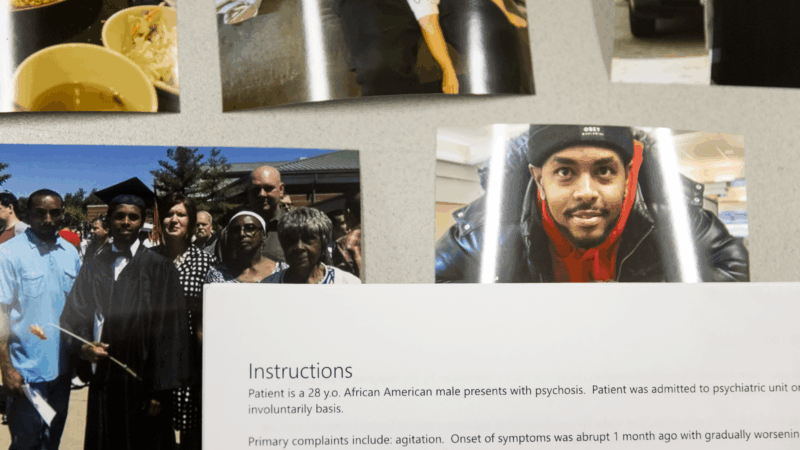
How systemic failures turn state mental hospitals into prisons
The share of people with severe mental illness in state psychiatric hospitals accused of serious crimes has risen steeply. The shift has all but halted the possibility of care before a catastrophic crisis.
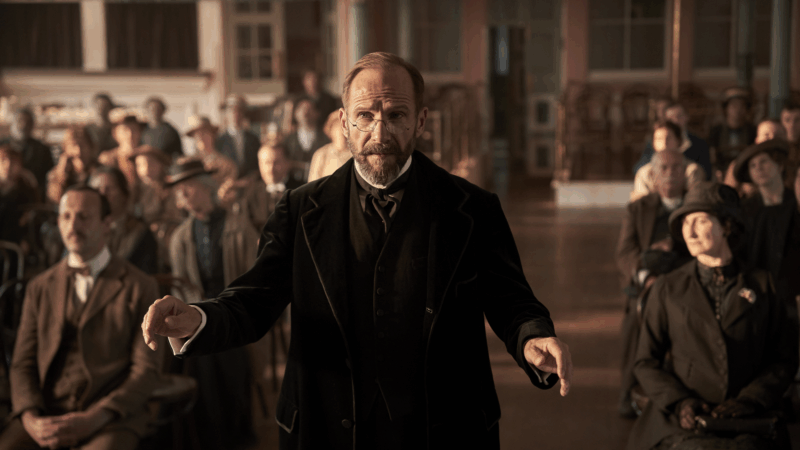
A prickly Ralph Fiennes uplifts a town through music during WWI in ‘The Choral’
A northern English town loses its best choral singers to fighting in World War I but finds new hope in a time of loss through music in Nicholas Hytner's new film "The Choral," featuring Ralph Fiennes.