
4 lives are upended by an impulsive kiss in the epic novel ‘Buckeye’
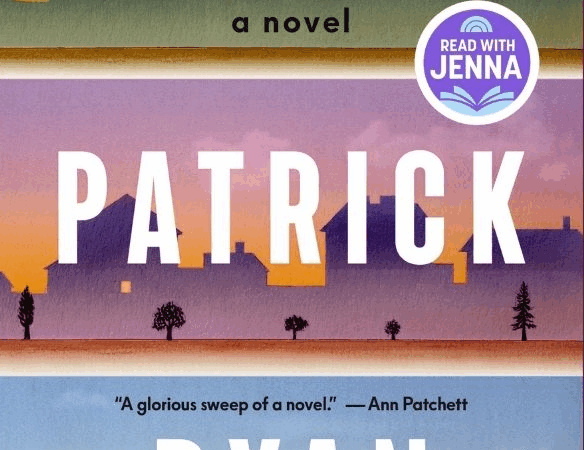
Once in a while, mistakes happen. I mention this mistake because it testifies to something powerful about Patrick Ryan’s new novel, Buckeye.
When I made a late request for an advance review copy of Buckeye, the copy I received looked fine, but when I opened it I realized it was mistakenly bound backwards. The title page was at the very end of this over-450-page novel.
So, as a kind of brain exercise, I began reading Buckeye backwards, my head moving from right to left. By page 9, I was already so caught up in the world Ryan creates, Buckeye could have been misprinted upside down and sideways and I still wouldn’t have been able to put it down.
As its title indicates, Buckeye is set in Ohio, in a fictional small town called Bonhomie. The story, which focuses on two married couples, stretches from pre-World War II to the close of the 20th century. Margaret Salt is married to Felix — a closeted gay man who kind of, maybe, harbors the unarticulated hope that marriage might render his same sex desires dormant.
When the novel opens, Margaret, who’s a red-headed, green-eyed “looker,” walks into the town hardware store where Cal Jenkins works and demands that he turn on the radio. There’s commotion on the streets outside and, especially since her husband, Felix, is serving in the Navy, Margaret wants to know what’s happening. It turns out that Germany has just surrendered to the Allies. Hearing the news, Margaret grabs Cal by his shoulders and kisses him. And Cal — a good husband and new father — likes it.
From that impulsive moment all sorts of complications and secrets sprout. While this teaser of a plot summary may make Buckeye seem like the stuff of vintage soap operas, the atmosphere of this novel is wry and contemplative rather than melodramatic. Ryan — whose previous books include the standout 2016 short story collection, The Dream Life of Astronauts, as well as three YA novels — ambitiously aims here to write an American epic and he has the chops to do so. Ryan’s omniscient narrator takes turns experiencing events from the four main characters’ points of view, always subtly underscoring how contingency shapes our lives.
Cal, for instance, was born with one leg two inches shorter than the other — two inches that would keep him out of World War II and put him in Margaret’s path. Cal’s wife, Becky, discovered in childhood that she has the ability to communicate with the dead — a gift that will prove to be a grim comfort during the Vietnam War.
Chapters roam fluidly here from flashbacks to Margaret’s tough start in life in an orphanage to a Herman Wouk-like section chronicling the torpedoing of that cargo ship Felix is serving on. Felix meets the love of his life on that ship, a fellow sailor who quotes St. Thomas Aquinas to him, saying: “The things that we love tell us what we are.” The decades-long aftermath of silent grief that Felix must endure after the loss of that relationship is the anguished emotional core of this novel.
What Ryan captures in Buckeye is both the sweep of history and the mostly mundane particularity of everyday life. If there’s a flaw to find in this overwhelming novel it may be that the characters are a bit too uniformly eloquent and self-aware. But, really, why complain about too many epiphanies when they’re expressed as beautifully as this? I leave you with our narrator describing Felix in old age realizing something about time:
What is it about time that confounds us? We spend it. We save it. We while it away. We waste it. We kill it. … We regret what we’ve done with it. We give it away. We want it back. … Felix saw it so clearly: all we should ever want of time is more of it. Life was so simple when it was reduced to the barest of necessities: more time; more air; more Duke Ellington.
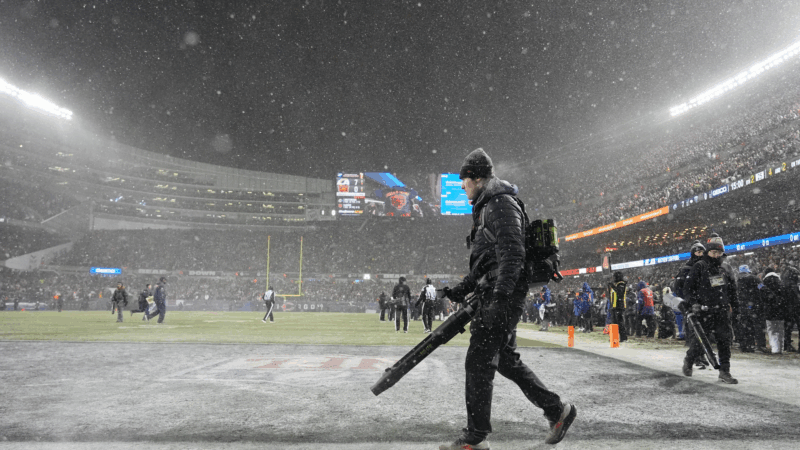
Why the Chicago Bears could be moving to Indiana
While Illinois is trying to keep the team in Chicago's suburbs, Indiana lawmakers are offering a plan to finance a new stadium
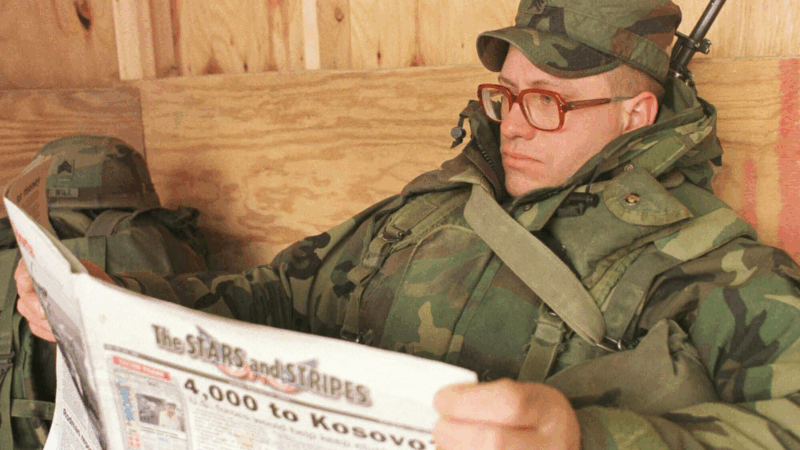
Pentagon tightens controls over Stars and Stripes after calling it “woke”
The new rules for the independent military newspaper are the Defense Department's latest effort to put extraordinary restrictions on journalists covering the agency.
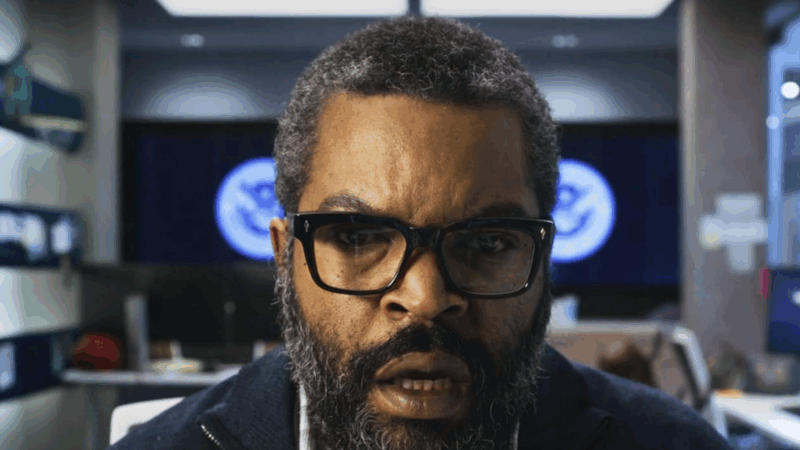
‘War of the Worlds’ remake sinks to the bottom at this year’s Razzie Awards
The surveillance industry version of HG Wells' 1898 classic sci-fi novel stars Ice Cube, and won accolades for worst picture, actor, director and more.

Russian strike on Kyiv region kills 4 and wounds 15, with peace talks stalled
The strikes comes after the United States paused ceasefire talks between Russia and Ukraine due to the war with Iran.
As the risk of measles grows, why are parents so divided on vaccines?
In South Carolina, some parents embrace vaccines, others opt out. Why do people make such different choices? A mix of politics, distrust and misinformation is pushing neighbors apart.
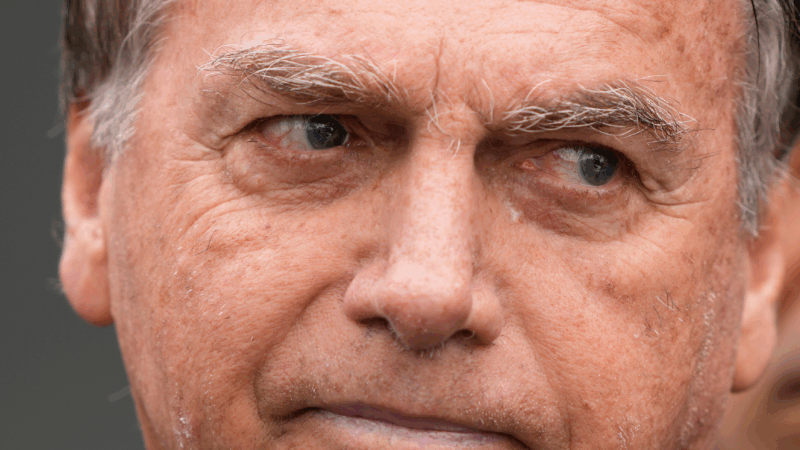
Brazil’s ex-President Bolsonaro is in intensive care with pneumonia, hospital says
One of Bolsonaro's doctor's described the former Brazilian president's medical condition as "serious."
