
3 people are still missing from deadly floods in Texas county, down from nearly 100

KERRVILLE, Texas — Officials in a Texas hill country community pummeled by deadly flooding July 4 said Saturday that just three people remain missing, down from nearly 100, after people who had previously been reported missing have since been accounted for.
The reduction in the number of people on the missing list came as the search for victims entered its third week. It was a significant drop from the more than 160 people officials previously said were unaccounted for in Kerr County alone.
“This remarkable progress reflects countless hours of coordinated search and rescue operations, careful investigative work, and an unwavering commitment to bringing clarity and hope to families during an unimaginably difficult time,” Kerrville City Manager Dalton Rice in a statement.
The death toll in Kerr County, 107, held steady for much of this week even as the intensive search continued.
The Flash floods killed at least 135 people in Texas over the holiday weekend, with most deaths along the Guadalupe River in Kerr County, about 60 miles (100 kilometers) northwest of San Antonio.
Just before daybreak on July 4, the destructive, fast-moving waters rose 26 feet (8 meters) on the Guadalupe, washing away homes and vehicles.
The floods laid waste to the Hill Country, a popular tourist destination where campers seek out spots along the river amid the rolling landscape. It is naturally prone to flash flooding because its dry, dirt-packed soil cannot soak up heavy rain.
Vacation cabins, youth camps campgrounds fill the riverbanks and hills of Kerr County, including Camp Mystic, a century-old Christian summer camp for girls. Located in a low-lying area of a region known as “flash flood alley,” Camp Mystic lost at least 27 campers and counselors.
The flooding was far more severe than the 100-year event envisioned by the Federal Emergency Management Agency, experts said, and it moved so quickly in the middle of the night that it caught many off guard in a county that lacked a warning system.
In Kerrville, about 100 miles (160 kilometers) west of Austin, local officials have come under scrutiny over whether residents were adequately warned about the rising waters.
President Donald Trump and Texas Gov. Greg Abbott have pushed back aggressively against questions about how well local authorities responded to forecasts of heavy rain and the first reports of flash flooding.
Crews have been searching for victims using helicopters, boats and drones. Earlier efforts were hampered by rain forecasts, leading some crews to hold off or stop because of worries about more flooding.
What the Trump administration says about why it went to war with Iran
The Trump administration says it is "laser focused" and mission driven, but the messaging has been varied. The range of cited motivations for striking Iran now are sometimes at odds with each other.
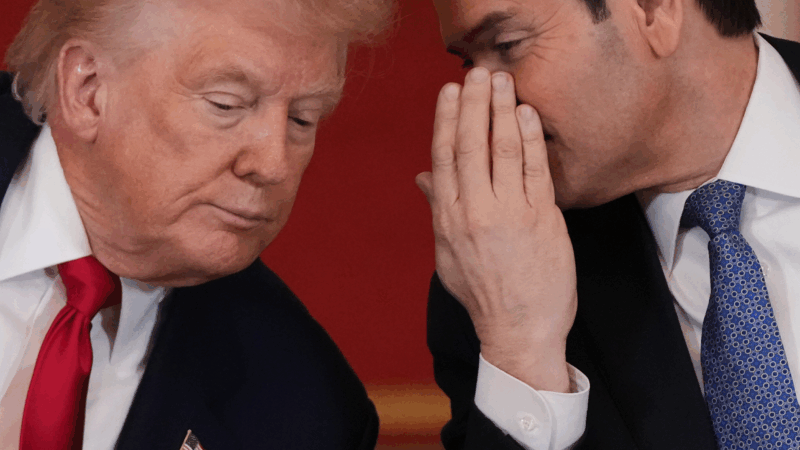
Trump looks to turn attention to Western Hemisphere at Americas summit
President Trump is set to gather with Latin American leaders on Saturday at his Miami-area golf club as his administration looks to turn attention to the Western Hemisphere, at least for a moment.
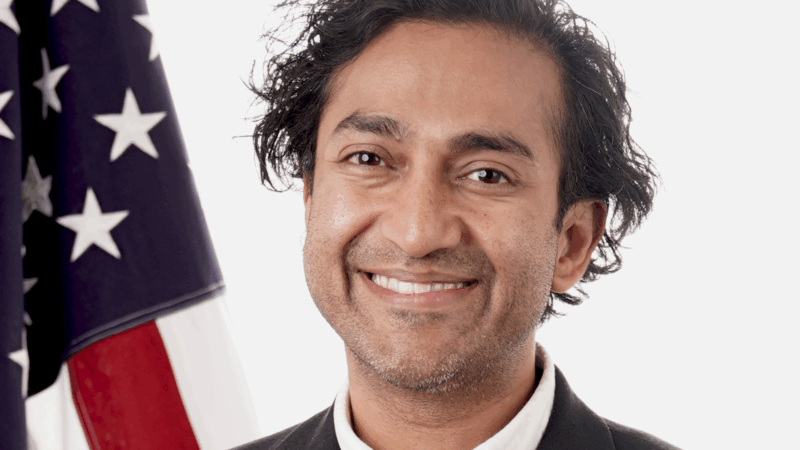
Trump administration’s embattled FDA vaccine chief is leaving for the second time
The FDA's controversial vaccine chief, Dr. Vinay Prasad, is leaving the agency. It's the second time he has abruptly departed following decisions involving the review of vaccinations and specialty drugs.

Family, former presidents and a Hall of Famer give Rev. Jesse Jackson a final sendoff
Several speakers at Jackson's funeral invoked his hallmark catchphrases: "Keep hope alive" and "I am somebody."

Bernard LaFayette, Selma voting rights organizer, dies at 85
Bernard LaFayette, who died Thursday, laid the foundations of the Selma, Alabama, campaign that culminated in the passage of the Voting Rights Act. He was a Freedom Rider and helped found the Student Nonviolent Coordinating Committee.

Oil surges to its highest price since 2023, and stocks drop after U.S. jobs report
Stocks fell Friday on worries that the economy could become stuck in a worst-case scenario of stagnating growth and high inflation. Oil prices touched their highest levels since 2023 after surging again because of the Iran war.
