
Ivey Signs Contracts To Build Two Mega Prisons
Alabama Gov. Kay Ivey signed contracts Monday morning to enter into 30-year lease agreements with CoreCivic, one of the nation’s largest private prison companies. The move has sparked sharp criticism from residents, activists and lawmakers.
Under the agreements, CoreCivic will build two mega prisons in Elmore and Escambia counties and lease them to the state.
It is the latest development in the state’s plan to replace most existing male prisons with three regional correctional facilities that will each house from 3,000 to 4,000 men.
“I am pleased that we have reached this important milestone in the Alabama Prison Program, the cornerstone of a multifaceted strategy to address the ADOC’s long standing challenges and failing prison infrastructure,” Ivey said in a statement Monday.
The governor and Alabama Department of Corrections (ADOC) officials have been pushing for new prisons for years as part of their plan to improve conditions in state prisons.
Alabama’s correctional facilities are among the nation’s most overcrowded and violent, detailed in two reports by the U.S. Department of Justice, which recently filed a lawsuit against the state.
But many residents, including lawmakers and activists, have objected to the plan, frustrated with the lack of information released by the state.
In the town of Tallassee, Alan Parker lives less than a mile from where CoreCivic will build one of the new prisons.
“There’s been no input from the legislature or any hearings or any of that sort of thing on the matter,” Parker said. “And we just feel like the whole process has been, really, a joke.”
Because the state will lease the new buildings, the plan does not require legislative approval. State officials have released few financial details about the contracts, citing a period of confidential negotiations. Based on most recent estimates, the state will pay close to $3 billion dollars to lease the facilities over 30 years.
While private companies will own and maintain the buildings, ADOC will continue to operate and staff state prisons.
Prisons commissioner Jeff Dunn said current infrastructure is falling apart due to “decades of inaction and a lack of resources.”
“These facilities will provide a safer, more secure environment in which our heroic staff can better deliver effective, evidence-based rehabilitative programming to our inmate population,” Dunn said in a statement.
Many advocacy groups argue that the new mega prisons will not fix chronic overcrowding and violence in the state’s correctional facilities.
Construction on the two CoreCivic prisons is expected to begin this year to be completed in 2025.
State officials continue to negotiate a final lease agreement for a third prison slated for Bibb County. That facility will be built by Alabama Prison Transformation Partners, a developer group that includes Birmingham-based construction company BL Harbert International.
House Dem. Leader Jeffries responds to air strikes on Iran by U.S. and Israel
NPR's Emily Kwong speaks to House Minority Leader Hakeem Jeffries (D-NY), who is still calling for a vote on a war powers resolution following a wave of U.S.- and Israel-led airstrikes on Iran.
Iran’s Ayatollah Ali Khamenei is killed in Israeli strike, ending 36-year iron rule
Khamenei, the Islamic Republic's second supreme leader, has been killed. He had held power since 1989, guiding Iran through difficult times — and overseeing the violent suppression of dissent.

Found: The 19th century silent film that first captured a robot attack
A newly rediscovered 1897 short by famed French filmmaker Georges Méliès is being hailed as the first-ever depiction of a robot in cinema.
‘One year of failure.’ The Lancet slams RFK Jr.’s first year as health chief
In a scathing review, the top US medical journal's editorial board warned that the "destruction that Kennedy has wrought in 1 in office might take generations to repair."
Here’s how world leaders are reacting to the US-Israel strikes on Iran
Several leaders voiced support for the operation – but most, including those who stopped short of condemning it, called for restraint moving forward.
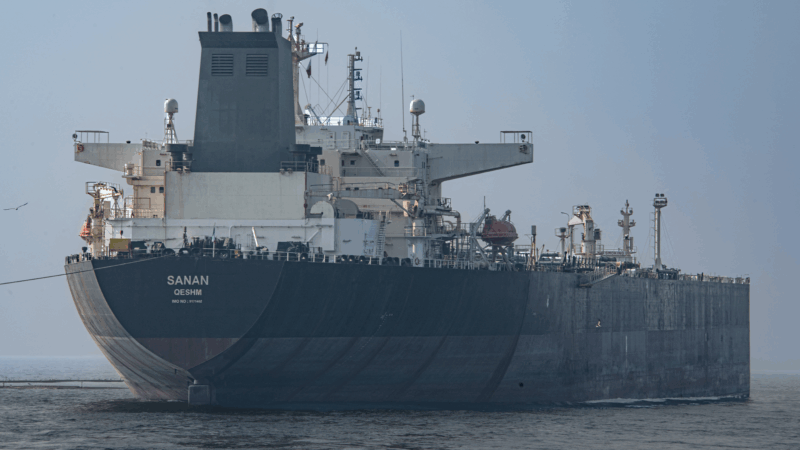
How could the U.S. strikes in Iran affect the world’s oil supply?
Despite sanctions, Iran is one of the world's major oil producers, with much of its crude exported to China.
