
“Confederates in the Attic” Author On The Confederate Flag Debate
The South has been grappling with what to do about Confederate symbols since a gunman shot 9 people at a historically black church in Charleston, South Carolina, last month. Tony Horwitz, a bestselling author and journalist, spoke with WBHM’s Will Dahlberg about Confederate imagery, memorabilia and monuments, and whether the United States should collectively push these pieces of history aside.
Horwitz is probably most known for his book Confederates in the Attic: Dispatches from the Unfinished Civil War. He also recently published Midnight Rising: John Brown and the Raid That Sparked the Civil War, in 2011. The book ties into themes of history, memory and the controversy surrounding them.
Listen to an extended version of this interview here:
History and Heritage
In the deep south, many have remaining ties with their Confederate roots. Horwitz says while there are heritage groups that push the envelope with political agendas and racial overtones, it’s important to remember that some southerners just want to remember their ancestors.
“I think we have to be careful to not paint everyone who’s interested in Confederate heritage with the same brush,” he says, “And I think perhaps there’s some of that going on in the media at the moment.”
However, Horwitz also says it isn’t always easy to separate ancestry from politics.
“No one wants to spit on their ancestors,” he says, “On the other hand, we need to find a way to remember them that doesn’t glorify the cause for which they fought.”
Memorializing the Flags and Monuments
As confederate flags come down across the South, some state officials are asking whether municipalities should move Confederate monuments out of the public realm.
Horwitz says the argument is about the perception of not what these symbols represented in the past, but what they represent now.
“The argument now is that this really shouldn’t be in the public square,” he says, “in a context in which it’s saying,’This represents all of us in our state.'”
However, Horwitz says the decisions about monuments are trickier.
“It’s easy to take down a flag,” he says, “It’s a little harder to start moving statues.”
Relocation or Removal
Much still remains to be discussed, however, about whether states should get rid of flags and monuments altogether, or just move them to new locations.
Horwitz says his only worry is that in efforts to move forward, people will erase integral parts of America’s history. He says he hopes the monuments stay where they are, but that officials add plaques to contextualize them.
“I think they can be teaching tools,” he says, “personally I’d prefer to see most of these monuments stay where they are, but that’s obviously for the people of these communities to decide for themselves.”
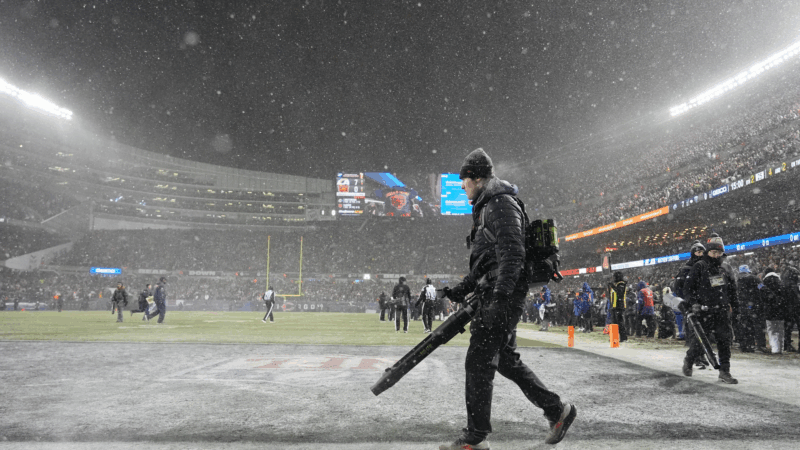
Why the Chicago Bears could be moving to Indiana
While Illinois is trying to keep the team in Chicago's suburbs, Indiana lawmakers are offering a plan to finance a new stadium
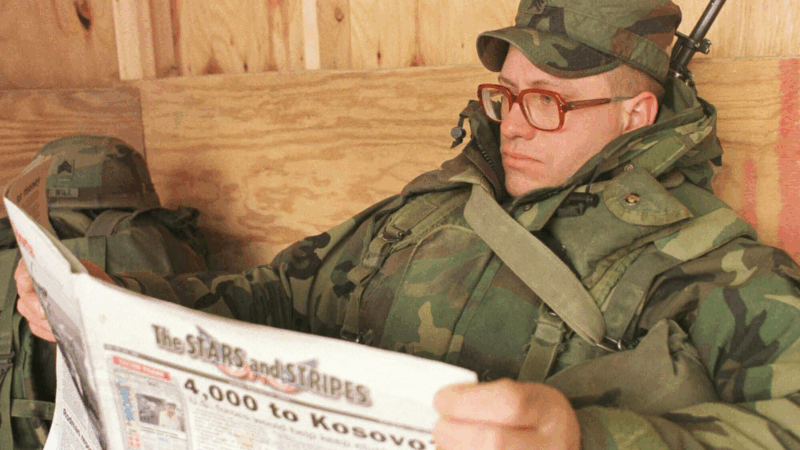
Pentagon tightens controls over Stars and Stripes after calling it “woke”
The new rules for the independent military newspaper are the Defense Department's latest effort to put extraordinary restrictions on journalists covering the agency.
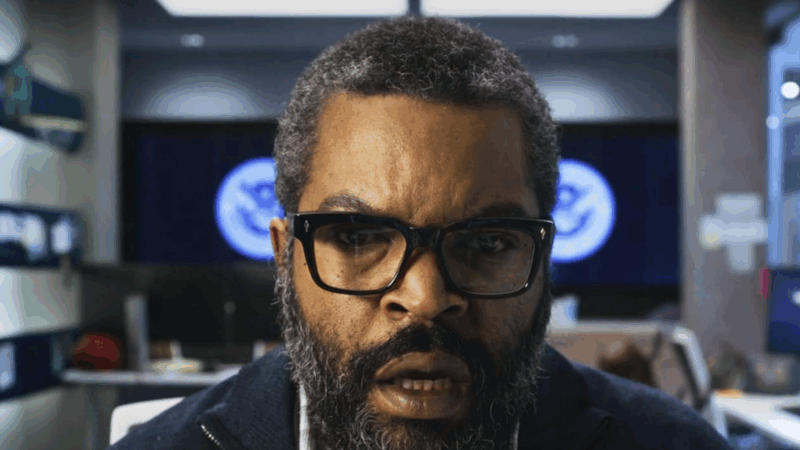
‘War of the Worlds’ remake sinks to the bottom at this year’s Razzie Awards
The surveillance industry version of HG Wells' 1898 classic sci-fi novel stars Ice Cube, and won accolades for worst picture, actor, director and more.

Russian strike on Kyiv region kills 4 and wounds 15, with peace talks stalled
The strikes comes after the United States paused ceasefire talks between Russia and Ukraine due to the war with Iran.
As the risk of measles grows, why are parents so divided on vaccines?
In South Carolina, some parents embrace vaccines, others opt out. Why do people make such different choices? A mix of politics, distrust and misinformation is pushing neighbors apart.

Brazil’s ex-President Bolsonaro is in intensive care with pneumonia, hospital says
One of Bolsonaro's doctor's described the former Brazilian president's medical condition as "serious."
