How a rural clinic is changing lives in Alabama and why it’s at risk

Cahaba Medical Care, a collection of clinics that get doctors into some of the poorest, sickest communities in Alabama, never turns away patients. But a federal grant that supports the doctors there is at risk of getting cut in the midst of the Trump administration’s efforts to downsize. WBHM’s Noelle Annonen sat down with Stephanie McCrummen, staff writer for The Atlantic, who reported on the clinic.
This interview was edited for length and clarity.
Let’s start with an introduction. Talk to us about John Waits and the clinic that he started.
So many of your listeners may actually know Dr. John Waits. He founded Cahaba Medical Care in 2003 in a red brick house in Centreville. As he explains it, it soon became evident to him that a regular sort of business model was not gonna work, given his conviction and his commitment to treat everybody and to never turn anyone away.
He decided to convert Cahaba Medical Care into a federally qualified health center, which basically means that they were able to get reimbursed through Medicaid, Medicare, and really start to expand their practice at that point. What became really, really important to the practice was an obscure federal grant that enables health clinics in underserved areas to convert into teaching institutions, which means that they’re able to bring in residents. And it’s basically created a pipeline of doctors into some of the least served areas. So this is, as Dr. Waits would say, sort of solving one of the most vexing problems in American healthcare.
Tell us about the Cahaba patients. What impact does this clinic have on this region and why do they need doctors so desperately?
For example, Perry County is a place where the health outcomes are some of the worst in the state and some of worst in the country. So it’s a place with a lot of chronic illness, a high maternal death rate, and a short life expectancy. Even access to doctors there has not been what it is in other areas. People also are very poor. People don’t have gas money to get to the doctor. They don’t have gas money to get Birmingham to see a specialist. There are people who struggle to make a $3.90 copay.
Your story is coming at a very interesting time. The country is in the middle of an era of federal funding cuts. And you mentioned that the Cahaba clinic does indeed rely on some federal funding in order to function. How exactly do these cuts impact Waits and his clinic?
It’s a fascinating story of a program that its proponents would say is a real success. It is really working. But Dr. Waits and others who depend on this grant are very concerned that it could be cut. This particular grant that Dr. Waits depends upon has been, over the years, renewed with bipartisan support. But there is a sense that that Washington may not exist anymore. I mean, it’s a whole involved, intricate program that they have built. And if the funding goes, just that represents years and years of work that would be unwound and that is what they are worried about.
There’s a scene in your article where Waits is just kind of swimming in this sea of people in DC, all of them just scrounging to keep funding for some pretty compelling projects across the country. So I’m curious for you, why did you pick this story? Why pick Waits and his clinic out of the masses of people who are worried about losing essential funding?
I wanted to focus on just one, one small grant, of which there are so many in so many different realms, and show what one small grant actually can do on the ground and what would happen if it went away. Dr. Waits is in the position that a lot of leaders are in right now: trying to make the case for why this or that program is necessary, how it is working, what damage would be done in the real world if it goes away. And sometimes in journalism, if you can go small, you can also tell a larger story.
What does this story about the Cahaba clinic and John Waits say about the state of rural healthcare across the country, not just in Alabama?
Well, over 50% of rural America is designated as health professional shortage areas or healthcare deserts. Getting doctors into these areas has been one of the most vexing problems in healthcare. And so what Cahaba is doing in Alabama and what many other clinics are doing with this small federal grant, is actually addressing this problem. It seems to be an example of a policy actually working. For proponents of this grant, I guess the term they use is “scalable.” You know, they would say that this funding should not be cut. It should be increased. Because this is an example of something that’s actually solving a problem. It’s still a huge problem in rural America. They would be working to address things like chronic illness and somethings that are really afflicting the health of many, many millions of Americans.


Auburn tabs USF’s Alex Golesh as its next coach, replacing Hugh Freeze on the Plains
The 41-year-old Golesh, who was born in Russia and moved to the United State at age 7, is signing a six-year contract that averages more than $7 million annually to replace Hugh Freeze. Freeze was fired in early November after failing to fix Auburn’s offensive issues in three seasons on the Plains.
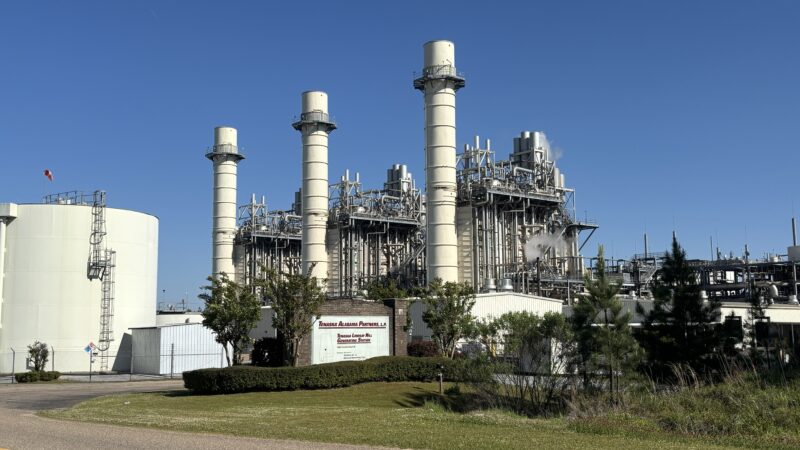
Alabama Power seeks to delay rate hike for new gas plant amid outcry
The state’s largest utility has proposed delaying the rate increase from its purchase of a $622 million natural gas plant until 2028.
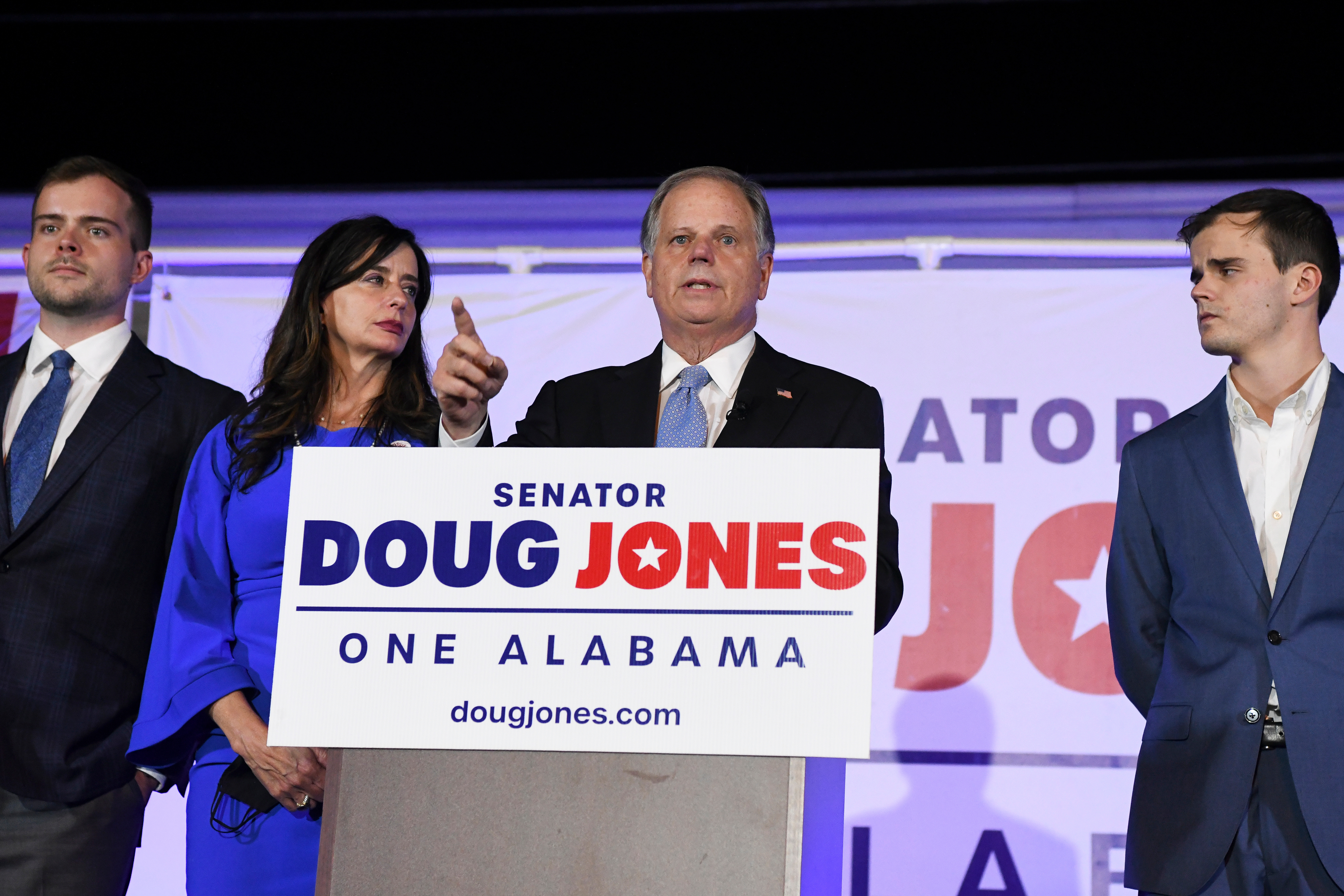
Former U.S. Sen. Doug Jones announces run for Alabama governor
Jones announced his campaign Monday afternoon, hours after filing campaign paperwork with the Secretary of State's Office. His gubernatorial bid could set up a rematch with U.S. Sen. Tommy Tuberville, the Republican who defeated Jones in 2020 and is now running for governor.
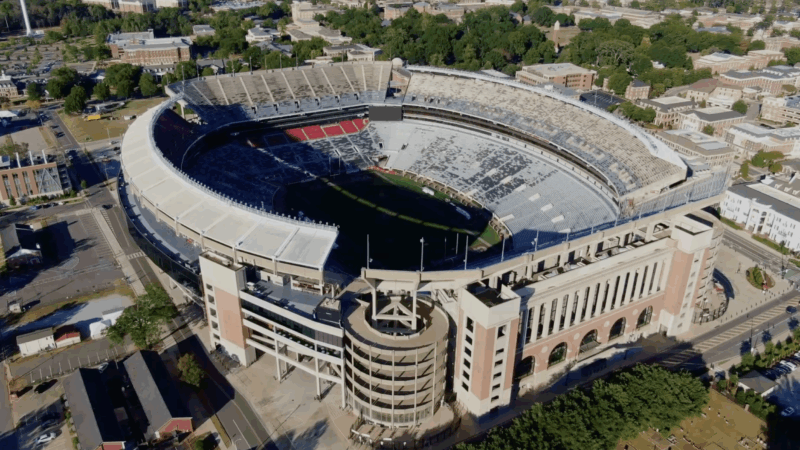
Scorching Saturdays: The rising heat threat inside football stadiums
Excessive heat and more frequent medical incidents in Southern college football stadiums could be a warning sign for universities across the country.
The Gulf States Newsroom is hiring an Audio Editor
The Gulf States Newsroom is hiring an Audio Editor to join our award-winning team covering important regional stories across Mississippi, Alabama and Louisiana.

Judge orders new Alabama Senate map after ruling found racial gerrymandering
U.S. District Judge Anna Manasco, appointed by President Donald Trump during his first term, issued the ruling Monday putting a new court-selected map in place for the 2026 and 2030 elections.