After 12 years and a pandemic, Jefferson County’s health officer steps down
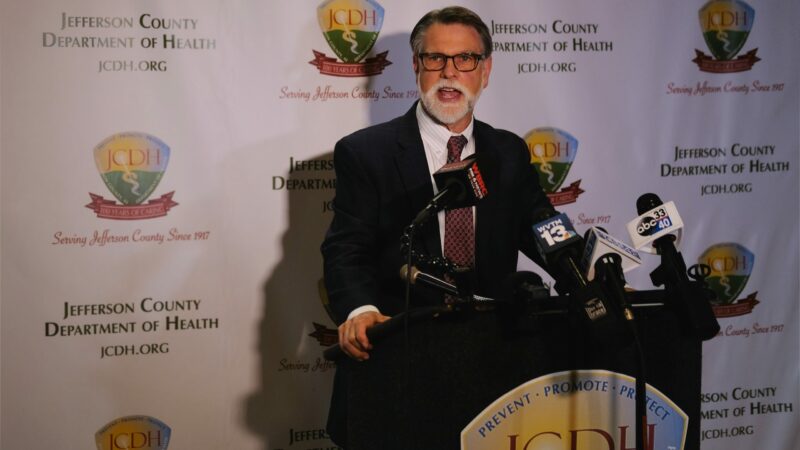
Jefferson County Health Officer Dr. Mark Wilson speaks about COVID-19 during a press conference in May 2020.
When Dr. Mark Wilson became Jefferson County’s health officer in 2011, he faced a steep learning curve.
“My passion and my work was health care for underserved people,” said Wilson, who previously served as a longtime medical doctor and chief of staff at Cooper Green Mercy Hospital. “The health department does do that. But I still had to learn more about public health more broadly.”
Wilson had to adjust to government rules and regulations, while taking on new administrative roles, which he admits is not his forté. Still, he remained energized, sharing a larger vision with staff to tackle issues related to poverty and access.
“That’s a bigger and bigger part of what we as a health department are about is health equity, especially focusing on those that have not had the opportunity to lead healthy lives,” Wilson said.
Behind the scenes
As he prepares to step down from the role on Sept. 30, Wilson reflected on his 12-year tenure as health officer. That time was largely marked by the last few years, leading the Jefferson County Health Department (JCDH) through a global pandemic. But Wilson is most proud of other initiatives, including many collaborations that helped expand the department’s role in the community.
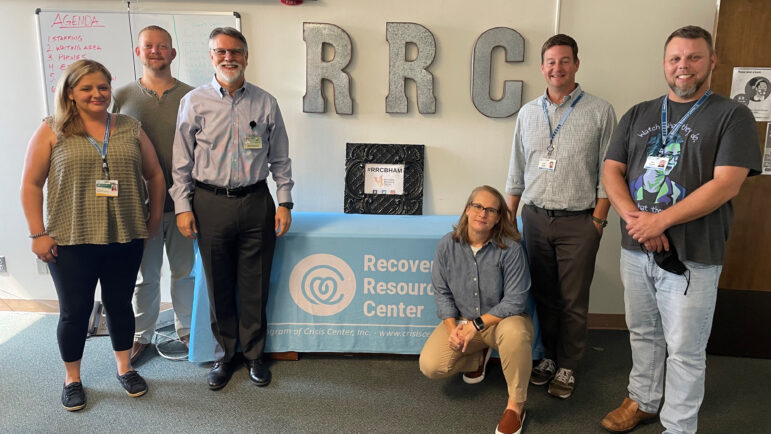
Early on, Wilson said he realized the importance of partnerships, working with outside groups to address a range of issues, including tobacco use, obesity, maternal health, infant mortality, gun violence and the opioid epidemic.
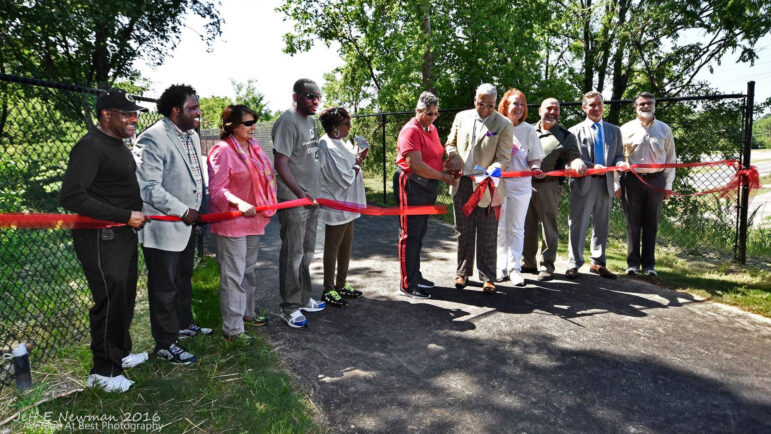
Wilson is especially proud of ongoing efforts like the Red Rock Trail system, which features miles of walking trails and bike paths that now connect much of Birmingham.
“That’s been a major investment of our health department,” he said. “And we’re seeing people get out and use it, get exercise, and it’s bringing people together. And that has a certain permanence to it.”
Outside of new initiatives, Wilson’s health department has also continued core programs, including regulatory work and disease prevention campaigns.
“There is a lot of work going on behind the scenes that people don’t necessarily see every day,” Wilson said.
He said that’s probably the way it should be, though it’s not always the case.
“Every now and then, a crisis occurs that brings us to the forefront,” Wilson said. “The pandemic is certainly an example of that.”
The fight against COVID-19
Wilson was one of the first health officials in Alabama to raise the alarm about COVID-19, initially issuing a public health order to limit gatherings, followed by a mask order and recommendations to keep school classes virtual when case numbers continued to increase.
Wilson said those decisions were extremely difficult, but he felt a sense of urgency to take action.
“I did recognize my role as health officer,” he said, “and I also just felt an extreme passion for protecting our community, a community that I love. And I was scared. I knew that we were about to see a lot of people die.”
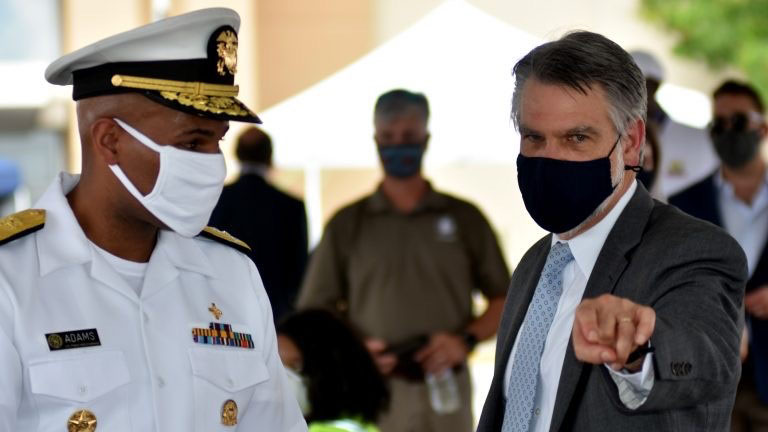
Wilson is still recovering from it all. There was an outpouring of support, but also intense polarization and pushback.
“I have to say I had higher hopes that people would be willing to make some sacrifices, put aside their personal rights for the benefit of everyone,” he said. “But this is where public health always actually has to walk a line.”
Wilson said public health officials are constantly balancing common health benefits with individual rights, and people have different thresholds for what they think is reasonable.
A new start
Looking ahead, Wilson is concerned about continued divisiveness and misinformation, but overall, he thinks the pandemic reinforced the importance of public health. And he’s confident about the future of JCDH, especially in the hands of his replacement, Dr. David Hicks.
“He (Hicks) has a lot of energy, enthusiasm about public health, and, you know, I’m a little bit tired having been through what we’ve all been through, but me in particular,” Wilson said.
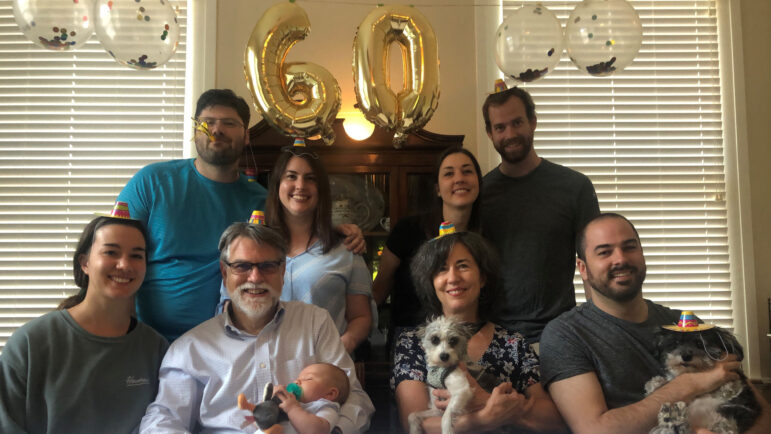
Wilson had been considering retirement for a while before announcing it earlier this year. He said he’s ready for a change, and plans to take a few months off as “practice retirement.”
Wilson plans to spend that time with family, especially his wife, who he calls the “health officer behind the curtain.” Eventually, he wants to go back to treating patients.
“That’s what I’m thinking at this point,” Wilson said. “And I’m also thinking I probably don’t want to be in charge of anything for a while. I’ll just be a worker bee and you just tell me what to do and I’ll do it.”

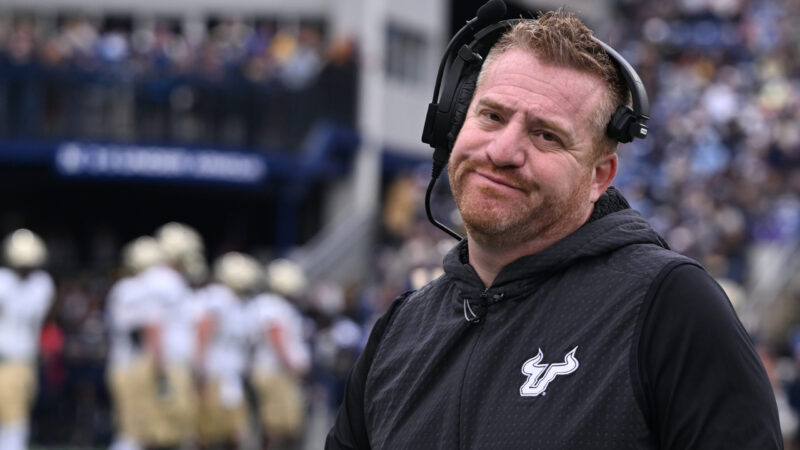
Auburn tabs USF’s Alex Golesh as its next coach, replacing Hugh Freeze on the Plains
The 41-year-old Golesh, who was born in Russia and moved to the United State at age 7, is signing a six-year contract that averages more than $7 million annually to replace Hugh Freeze. Freeze was fired in early November after failing to fix Auburn’s offensive issues in three seasons on the Plains.
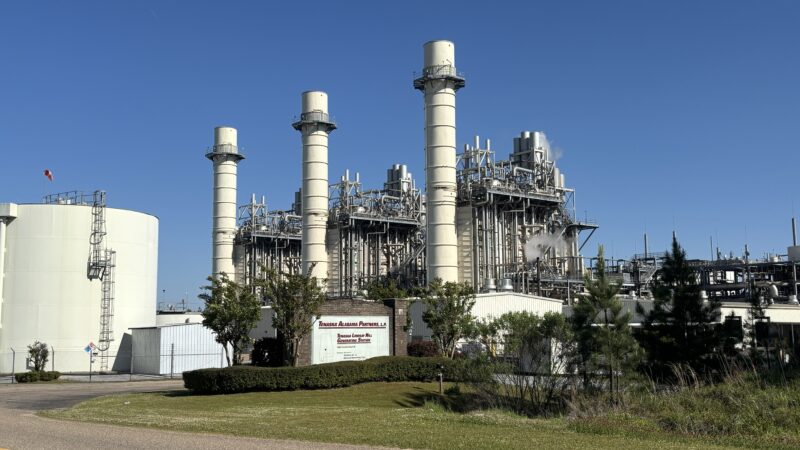
Alabama Power seeks to delay rate hike for new gas plant amid outcry
The state’s largest utility has proposed delaying the rate increase from its purchase of a $622 million natural gas plant until 2028.
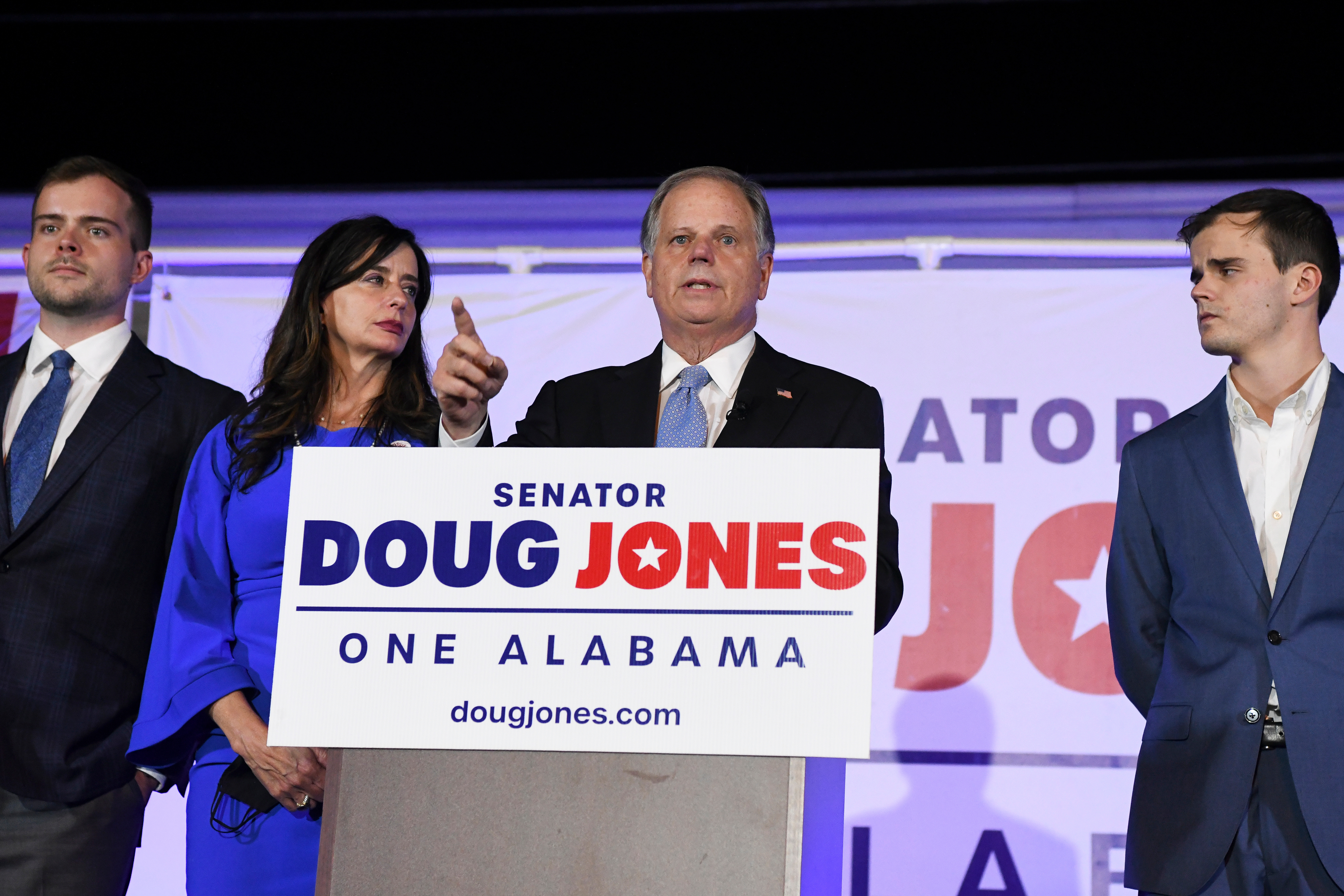
Former U.S. Sen. Doug Jones announces run for Alabama governor
Jones announced his campaign Monday afternoon, hours after filing campaign paperwork with the Secretary of State's Office. His gubernatorial bid could set up a rematch with U.S. Sen. Tommy Tuberville, the Republican who defeated Jones in 2020 and is now running for governor.

Scorching Saturdays: The rising heat threat inside football stadiums
Excessive heat and more frequent medical incidents in Southern college football stadiums could be a warning sign for universities across the country.

The Gulf States Newsroom is hiring an Audio Editor
The Gulf States Newsroom is hiring an Audio Editor to join our award-winning team covering important regional stories across Mississippi, Alabama and Louisiana.

Judge orders new Alabama Senate map after ruling found racial gerrymandering
U.S. District Judge Anna Manasco, appointed by President Donald Trump during his first term, issued the ruling Monday putting a new court-selected map in place for the 2026 and 2030 elections.