
Gov. Kay Ivey urges delay on PBS decision by public TV board
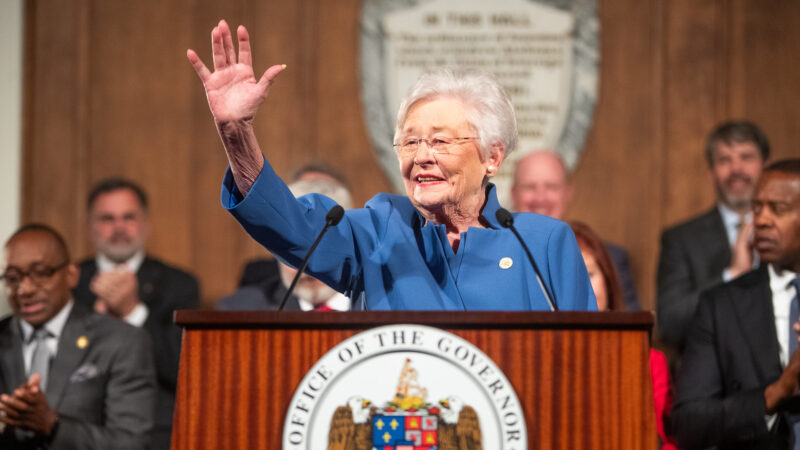
Gov. Kay Ivey delivers her State of the State address on Tuesday, Feb. 4, 2025.
MONTGOMERY, Ala. (AP) — Alabama Gov. Kay Ivey on Monday urged the board that oversees Alabama Public Television to delay any decision on severing ties with PBS until it has studied Alabamians’ opinions on the matter and developed a plan for what comes next.
The Republican governor sent a letter to the Alabama Educational Television Commission ahead of a Nov. 18 meeting in which commissioners were expected to discuss disaffiliation.
Some commission members had pushed the idea of dropping PBS due to federal budget cuts, President Donald Trump’s dislike of public broadcasting and accusations of bias against NPR and PBS news programs from him and other conservatives. A decision to separate from PBS would mean Alabama Public Television would no longer air PBS programs, including “Sesame Street,” “Daniel Tiger’s Neighborhood,” “Antiques Roadshow” and “PBS NewsHour.”
“While I’m sympathetic to the concerns that may be prompting this proposal, such a sweeping, immediate action, especially if taken unilaterally by the executive branch, should be undertaken only after a thorough planning process and only with a thorough understanding of public opinion,” Ivey wrote.
Ivey asked the commission to conduct an extended survey of Alabama voters “to ensure their voices are heard.” She said the commission should also develop a separation plan that “should be available for public review for a considerable length of time before any vote is taken.”
The idea of dropping PBS arose at the October commission meeting. Alabama Public Television Executive Director Wayne Reid said some commissioners asked him to research the possibility and ramifications of ending the contract with PBS.
Commissioners were divided at an Oct. 28 meeting, according to the Alabama Reflector and al.com.
“I just, I don’t want to fund it, PBS has made themselves the enemy of what I stand with, and so I do not like them, and I don’t follow the philosophy of feeding the beast,” commission member Les Barnett said during the meeting, according to the Alabama Reflector.
Alabama Public Television pays about $2.2 million yearly for PBS programming.
The governor said it is imperative that APT programming “align with Alabama values,” but said the decision should be made in “collaboration among stakeholders.”
The possibility of dropping PBS prompted a backlash from Alabama public television viewers and donors. Petitions and posts were shared across social media, urging people to “Save PBS for Alabama Children” and “Don’t let Alabama send Elmo packing.”
Deadline looms as Anthropic rejects Pentagon demands it remove AI safeguards
The Defense Department has been feuding with Anthropic over military uses of its artificial intelligence tools. At stake are hundreds of millions of dollars in contracts and access to some of the most advanced AI on the planet.
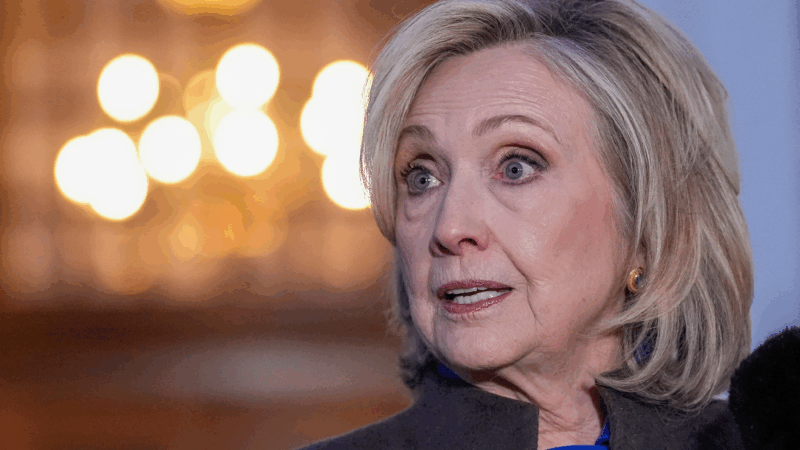
Hillary Clinton calls House Oversight questioning ‘repetitive’ in 6 hour deposition
In more than seven hours behind closed doors, former Secretary of State Hillary Clinton answered questions from the House Oversight Committee as it investigates Jeffrey Epstein.
Chicagoans pay respects to Jesse Jackson as cross-country memorial services begin
Memorial services for the Rev. Jesse Jackson Sr. to honor his long civil rights legacy begin in Chicago. Events will also take place in Washington, D.C., and South Carolina, where he was born and began his activism.
In reversal, Warner Bros. jilts Netflix for Paramount
Warner Bros. says Paramount's sweetened bid to buy the whole company is "superior" to an $83 billion deal it struck with Netflix for just its streaming services, studios, and intellectual property.
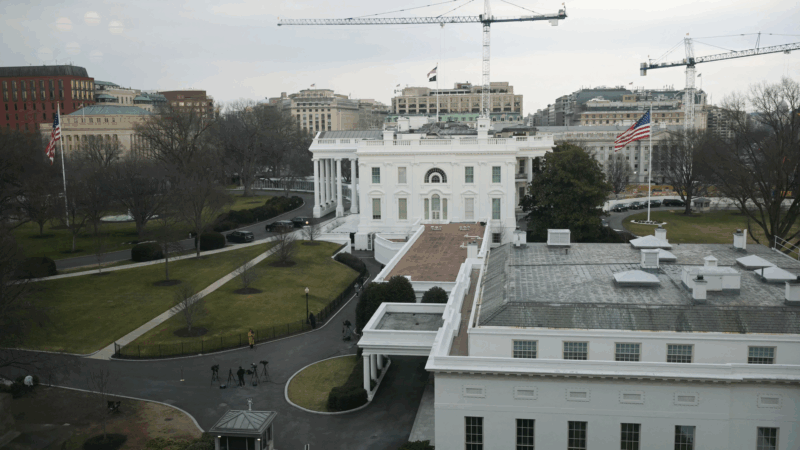
Trump’s ballroom project can continue for now, court says
A US District Judge denied a preservation group's effort to put a pause on construction
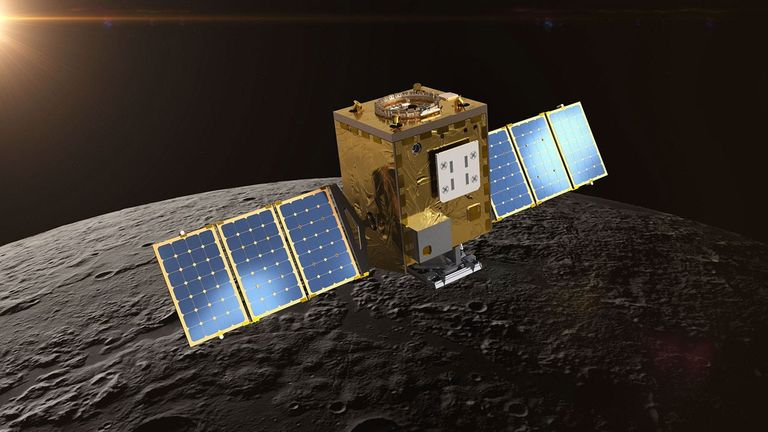
NASA lost a lunar spacecraft one day after launch. A new report details what went wrong
Why did a $72 million mission to study water on the moon fail so soon after launch? A new NASA report has the answer.
