
Alabama board seeks to ban books that ‘positively’ depict trans themes from library youth sections

MONTGOMERY, Ala. (AP) — An Alabama board is seeking to prohibit public libraries from placing books that “positively” depict transgender themes and topics in teen and children’s sections.
The Alabama Public Library Service Board of Directors is considering a proposed rule change that expands the existing requirement for youth sections to be free of “material deemed inappropriate for children.” The new proposal said that includes any material that “positively depicts transgender procedures, gender ideology, or the concept of more than two biological genders.”
The Alabama proposal is the latest salvo in the national fight over library content. The state board on Tuesday held a lengthy and sometimes heated and emotional public hearing ahead of next month’s expected vote.
Opponents called the proposal blatantly discriminatory and an attempt to impose one viewpoint on all Alabamians at the expense of trans youth and their families.
“These changes do not protect children — they police ideas,” said Matthew Layne, a past president of the Alabama Library Association.
Supporters of the proposal said parents who want their children to read the books can get them in other places.
“Removing trans books is not book-banning,” Julia Cleland, a member of the group Eagle Forum, told the board. Cleland said she would prefer the books be removed entirely from public libraries, not just youth sections.
John Wahl, the chairman of the library board, said he expects the board to approve the rule change, or an amended version of it, when they meet next month. He said libraries could stock the materials in adult sections where parents could access them for their children.
“We want parents to be confident that the children’s sections of Alabama libraries are age appropriate, that their children are not going to stumble against sexually explicit content,” Wahl said. Wahl is also chair of the Alabama Republican Party.
Some speakers said public libraries must serve all types of families, including those with trans children and adults.
Alyx Kim-Yohn, a librarian in north Alabama, told the board that as a queer teenager, they were isolated and bullied to the point of writing a suicide note.
“What saved me was reading literature that had people like me in it. What saved me was finding other queer folks who had the opportunity to grow up and be queer adults, which not all of us get,” Kim-Yohn said.
Other speakers said they didn’t want their child or grandchild to see books suggesting that gender can be changed.
The three-hour meeting ended with pointed disagreements over the motivation for the proposal.
“It’s politically motivated. It is taking away control from local libraries who are appointed by local governing bodies,” board member Ronald A. Snider said. Snider accused Wahl of using his position as Republican Party chairman to drum up support of the proposal.
Wahl said the proposal was in response to concerns and that his goal was “to put parents in charge.”
If the Alabama change is adopted, a local library could lose state funding if the board decides it is not compliant. The Alabama library board this spring voted to withhold state funding from the Fairhope Public Library because of some of the books available in the teen section of the library.
The Alabama proposal comes amid a wave of legislation and regulations in Republican-controlled states targeting libraries.
Kasey Meehan, the director of the Freedom to Read program at PEN America, said this is not the first time they’ve seen a state government “attempt to remove youth access to books with LGBTQ+ themes.” She noted an Idaho law that restricted access to books with content considered “harmful to minors.”
“Policies that target LGBTQ themes in libraries are not only discriminatory but a disaster for libraries and readers,” Meehan said. “These policies feed on ignorance and fear-mongering against queer and trans people, and diminish the ability of libraries to effectively serve all within their communities.”
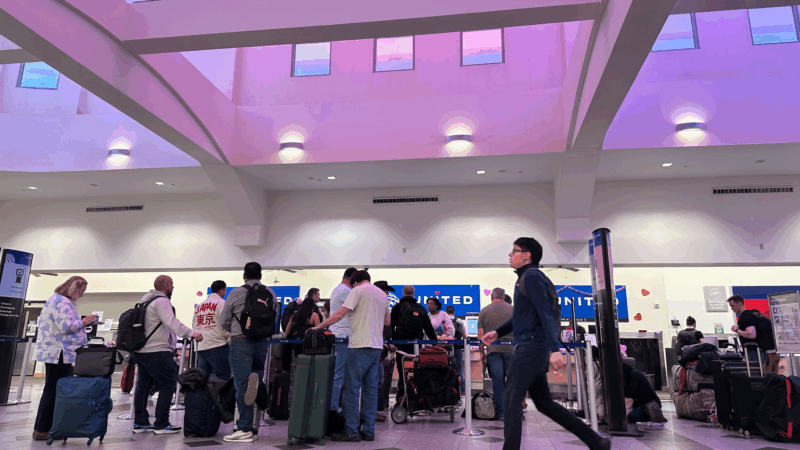
US military used laser to take down Border Protection drone, lawmakers say
The U.S. military used a laser to shoot down a Customs and Border Protection drone, members of Congress said Thursday, and the Federal Aviation Administration responded by closing more airspace near El Paso, Texas.

Deadline looms as Anthropic rejects Pentagon demands it remove AI safeguards
The Defense Department has been feuding with Anthropic over military uses of its artificial intelligence tools. At stake are hundreds of millions of dollars in contracts and access to some of the most advanced AI on the planet.
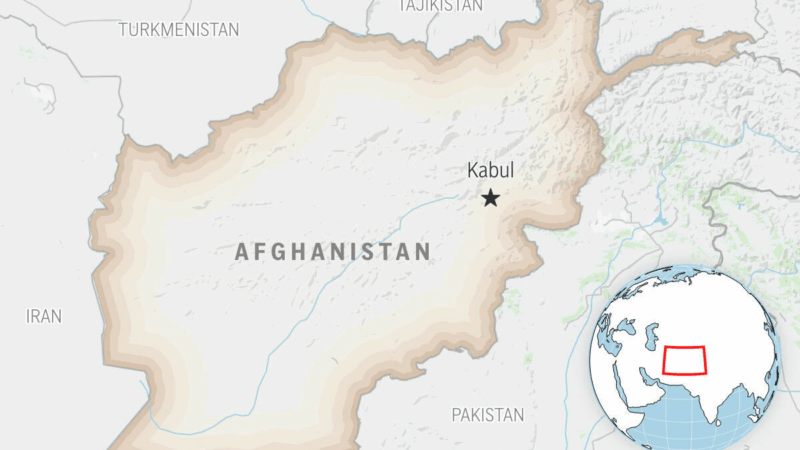
Pakistan’s defense minister says that there is now ‘open war’ with Afghanistan after latest strikes
Pakistan's defense minister said that his country ran out of "patience" and considers that there is now an "open war" with Afghanistan, after both countries launched strikes following an Afghan cross-border attack.
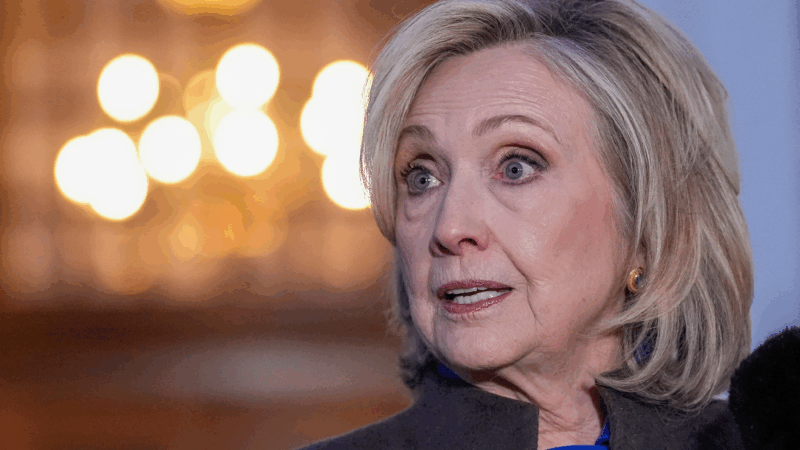
Hillary Clinton calls House Oversight questioning ‘repetitive’ in 6 hour deposition
In more than seven hours behind closed doors, former Secretary of State Hillary Clinton answered questions from the House Oversight Committee as it investigates Jeffrey Epstein.
Chicagoans pay respects to Jesse Jackson as cross-country memorial services begin
Memorial services for the Rev. Jesse Jackson Sr. to honor his long civil rights legacy begin in Chicago. Events will also take place in Washington, D.C., and South Carolina, where he was born and began his activism.
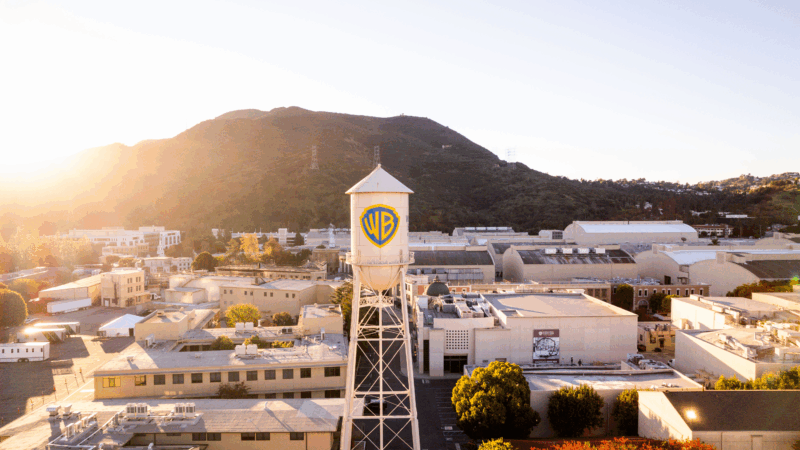
In reversal, Warner Bros. jilts Netflix for Paramount
Warner Bros. says Paramount's sweetened bid to buy the whole company is "superior" to an $83 billion deal it struck with Netflix for just its streaming services, studios, and intellectual property.
