
Lawsuit challenges Alabama inmate labor system as ‘modern day slavery’
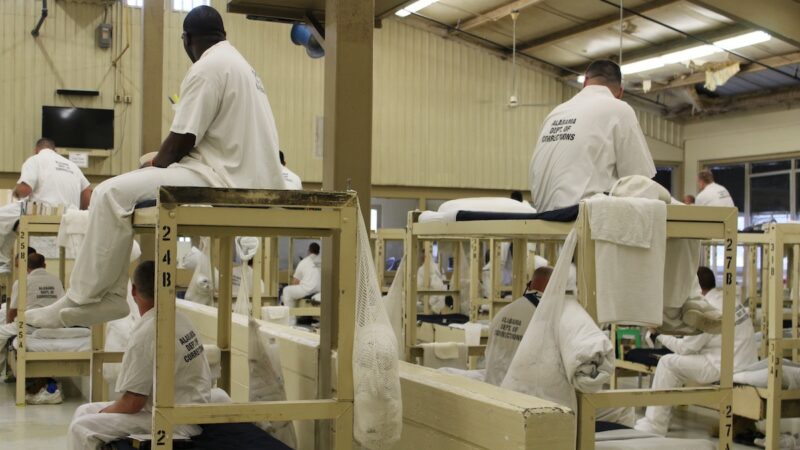
MONTGOMERY, Ala. (AP) — Current and former inmates announced a lawsuit Tuesday challenging Alabama’s prison labor program as a type of “modern day slavery,” saying prisoners are forced to work for little pay — and sometimes no pay — in jobs that benefit government entities or private companies.
The class action lawsuit also accuses the state of maintaining a discriminatory parole system with a low release rate that ensures a supply of laborers while also generating money for the state.
“The forced labor scheme that currently exists in the Alabama prison system is the modern reincarnation of the notorious convict leasing system that replaced slavery after the Civil War,” Janet Herold, the legal director of Justice Catalyst Law, said Tuesday.
The Alabama Department of Corrections and the Alabama attorney general’s office declined to comment on the lawsuit.
The lawsuit accuses the state of violating the equal protection clause of the U.S. Constitution, anti-human trafficking laws and the Alabama Constitution.
The lawsuit contends that the state maintains a “forced labor scheme” that coerces inmates into work. The lawsuit said those jobs include unpaid prison jobs where inmates perform tasks that help keep the facilities running. Inmates in work release might perform jobs where businesses pay minimum wage or more, but the prison system keeps 40% of a prisoner’s gross pay to defray the cost of their incarceration and also deducts fees for transportation and laundry services. The lawsuit referred to the state’s 40% reduction as a “labor-trafficking fee.”
LaKiera Walker, who was previously incarcerated for 15 years, said she worked unpaid jobs at the prison including housekeeping and unloading trucks. She said she later worked on an inmate road crew for $2 a day and then a work release job working 12-hour shifts at a warehouse freezer for a food company. She said she and other inmates felt pressured to work even if sick.
“If you didn’t work, you were at risk of going back to the prison or getting a disciplinary (infraction),” Walker said.
Almireo English, a state inmate, said trustworthy prisoners perform unpaid tasks that keep prisons running so that the prison administrators could dedicate their limited staff to other functions.
“Why would the slave master by his own free will release men on parole who aid and assist them in making their paid jobs easier and carefree,” English said.
While the state did not comment Tuesday, the state has maintained prison and work release jobs prepare inmates for life after incarceration.
The 13th Amendment to the U.S. Constitution ended slavery but it still allows forced labor “as a punishment for crime.” States set a variety of wages for inmate laborers, but most are low. A report from the American Civil Liberties Union research found that the average hourly wage for jobs inside prisons is about 52 cents.
The plaintiffs included two labor unions. The lawsuit said the supply of inmate labor puts downward pressure on wages for all workers and interferes with unions’ ability to organize workers.
Lawsuits and initiatives in other states have also questioned or targeted the use of inmate labor. Men incarcerated at Louisiana State Penitentiary in September filed a lawsuit contending they have been forced to work in the prison’s fields for little or no pay, even when temperatures soar past 100 degrees Fahrenheit (37 Celsius).
Here’s how world leaders are reacting to the US-Israel strikes on Iran
Several leaders voiced support for the operation – but most, including those who stopped short of condemning it, called for restraint moving forward.
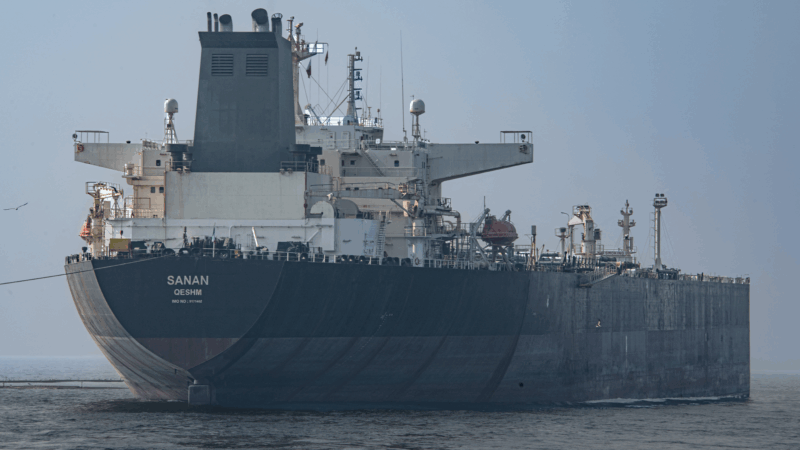
How could the U.S. strikes in Iran affect the world’s oil supply?
Despite sanctions, Iran is one of the world's major oil producers, with much of its crude exported to China.

Why is the U.S. attacking Iran? Six things to know
The U.S. and Israel launched military strikes in Iran, targeting Khamenei and the Iranian president. "Operation Epic Fury" will be "massive and ongoing," President Trump said Saturday morning.
Sen. Tim Kaine calls on the Senate to vote on the war powers resolution
NPR's Scott Simon talks to Sen. Tim Kaine, D-Va., about the U.S. strikes on Iran.
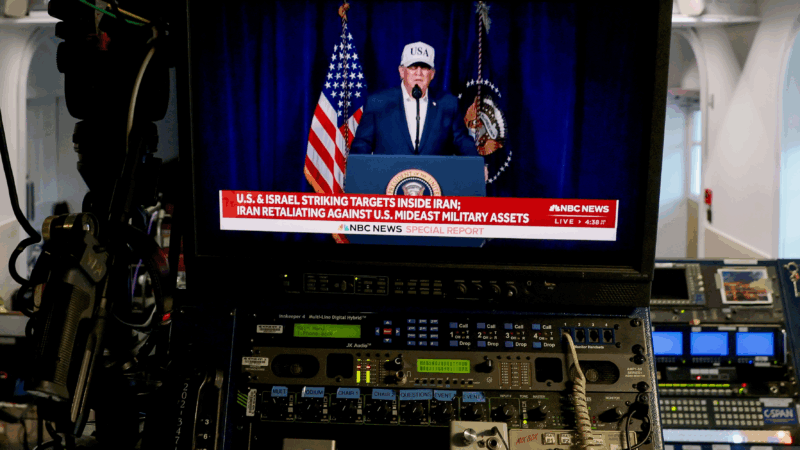
Iran strikes were launched without approval from Congress, deeply dividing lawmakers
Top lawmakers were notified about the operation shortly before it was launched, but the White House did not seek authorization from Congress to carry out the strikes.
Political science expert weighs in on Iran’s nuclear program in light of U.S. strikes
NPR's Scott Simon speaks to Ariane Tabatabai, the Public Service Fellow at Lawfare, about U.S. attacks on Iran and how President Trump's calls for regime change might be received there.
