
Financial Controversy Over Two Prison Contracts Gives Bibb Opponents Hope
Major banks have backed off of financing two of the three proposed new prisons in Alabama, leaving opponents of Gov. Kay Ivey’s plan to lease the prisons from private groups hopeful that any deals related to the third site, in Brierfield, also would hit a snag.
Bloomberg News reported Monday that the sudden about-face by Barclays and Keybanc took financial traders by surprise.
The prisons in Escambia and Elmore counties are slated to be built by CoreCivic, a prison company that has contracted with the state of Alabama to build the two prisons and lease them to the state for 30 years. The third site, proposed for Brierfield in Bibb County, is to be built and owned by a consortium headed by BL Harbert.
The banks’ sudden resignation as lead underwriters for the bond sale is considered highly unusual, as the debt was initially set to have been issued last week and pricing levels were already circulating among potential investors. According to a spokesperson for Barclays, the decision resulted from “feedback we have heard” from activists and concerned investors.
Chris Nelson, an activist in the prison opposition movement, said the group is hoping the Brierfield prison site runs into the same obstacles as the CoreCivic projects.
Nelson has been pursuing information about how the Brierfield prison will obtain water and sewer service by filing requests under the Freedom of Information Act with surrounding municipalities and water systems.
So far, he said, he has obtained letters confirming that Montevallo’s water board is willing to serve the prison with water and sewer — but only if the developers pay the cost of extending lines and upgrading the Montevallo sewage treatment plant.
Wilton, a town just south of Montevallo, has agreed to provide water to the prison in emergency situations only.
Meanwhile, other members of Nelson’s group, Alabama Students Against Prisons (ASAP), have gathered documents such as a report from the Ethical Investment Advisory Committee to the University of Rochester board of trustees warning that “it is unseemly at best for institutions of a free society to seek profits from investments in for-profit prisons.”
Another citation from ASAP was from a book by Lauren-Brooke Eisen “Inside Private Prisons: An American Dilemma in the Age of Mass Incarceration” about institutions interested in maintaining a favorable public image that are divesting from private prisons.
Several legislators have expressed dismay that Ivey went ahead with the prison deals without consulting the legislative branch.

Scientists make a pocket-sized AI brain with help from monkey neurons
A new study suggests AI systems could be a lot more efficient. Researchers were able to shrink an AI vision model to 1/1000th of its original size.

U.S. evacuates diplomats, shuts down some embassies as war enters fourth day
The United States evacuated diplomats across the Middle East and shut down some embassies as war with Iran intensified Tuesday while President Trump signaled the conflict could turn into extended war.
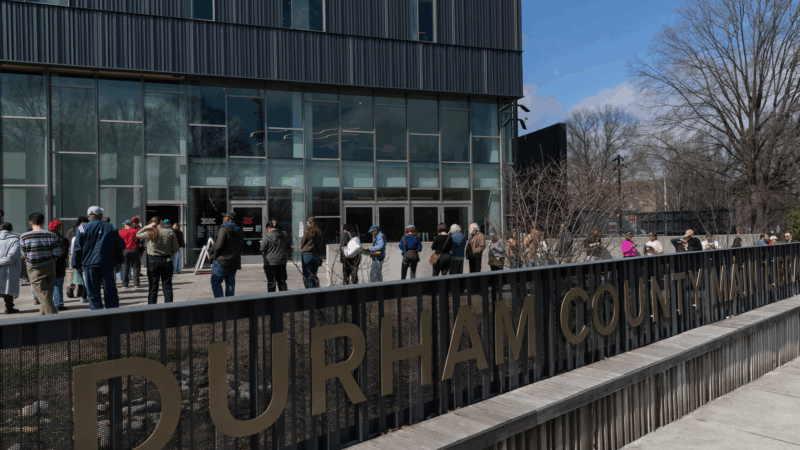
North Carolina and Texas have primary elections Tuesday. Here’s what you need to know
The midterm elections are officially underway and contests in Texas and North Carolina will be the first major opportunity for parties to hear from voters about what's important to them in 2026.
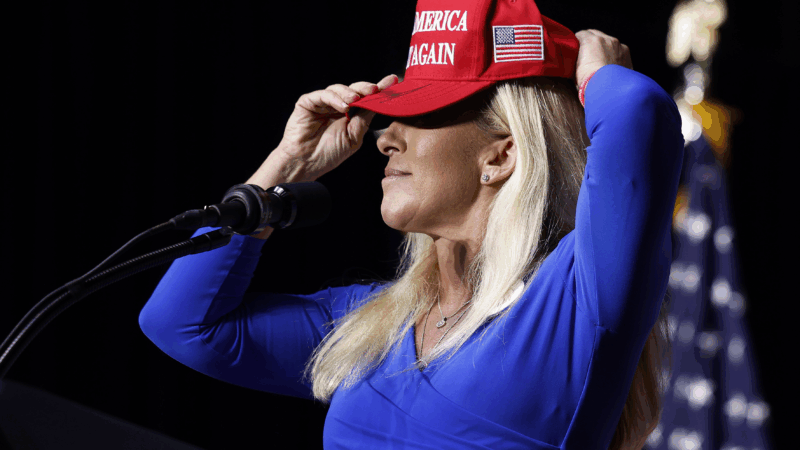
Trump promised the MAGA base no new wars. Then he went to war with Iran
President Trump promised his "Make America Great Again" voters an "America First" foreign policy. With the war in Iran, he's testing MAGA world's willingness to be flexible on one of its core beliefs.
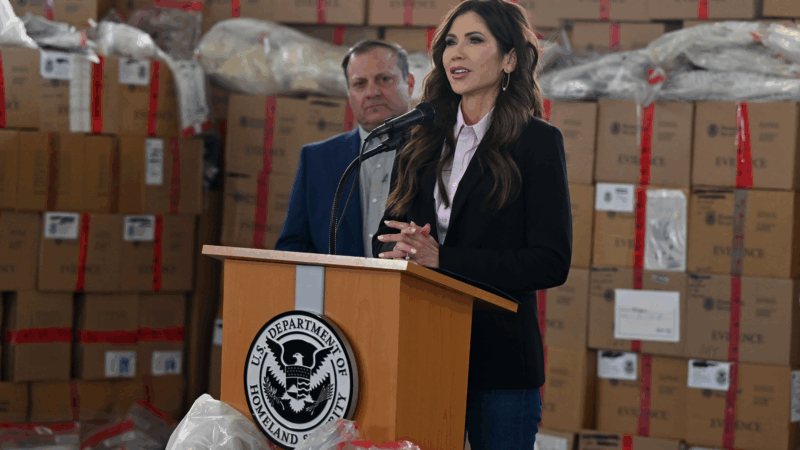
Kristi Noem set to face senators over DHS shutdown, immigration enforcement
The focus of the hearing is likely to be on how Kristi Noem is pursuing President Trump's mass deportation efforts in his second term, after two U.S. citizens were killed by immigration officers.
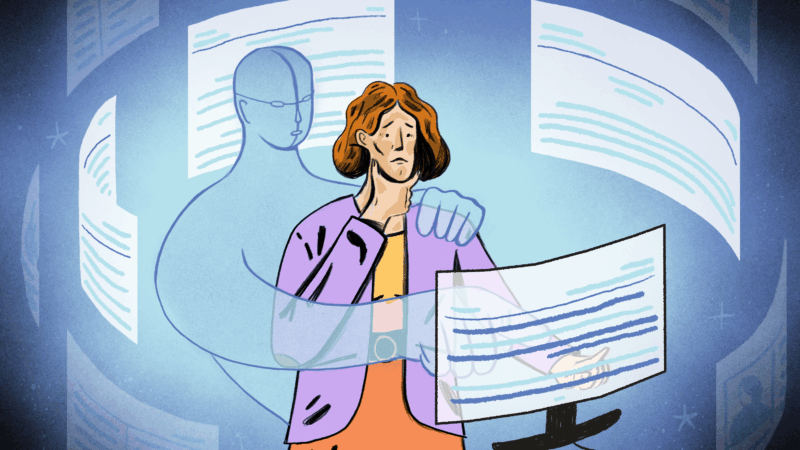
College students, professors are making their own AI rules. They don’t always agree
More than three years after ChatGPT debuted, AI has become a part of everyday life — and professors and students are still figuring out how or if they should use it.
