
With End Of $600 Unemployment Benefit, Groups Expect Surge In Evictions, Homelessness
Since March, more than 300,000 Alabamians have received extra weekly payments of $600 through the federal CARES Act, enacted in response to the COVID-19 pandemic. That extra unemployment benefit ends this weekend, along with a moratorium on evictions from properties with federally-backed mortgages.
Hollis Johnson, director of community services for the Jefferson County Committee for Economic Opportunity (JCCEO), worries that without this financial assistance, many families will struggle to make ends meet. JCCEO has two programs to help residents cover utility bills or rent, and according to Johnson, demand has already increased significantly since the pandemic began.
“We’ve seen a huge influx of new people that have never seen us, have never had to access our services before,” Johnson said.
As Congress debates another stimulus package, many Alabama residents will now see their weekly unemployment checks drop to less than $300. Johnson said it is difficult to find a job right now, with some businesses still closed and others cutting back due to decreased demand, but families still have bills to pay.
“I hope that the landlords don’t become impatient and start really evicting families, the power company turning clients off, ” Johnson said. “I guess that’s my greatest fear.”
Michelle Farley is also concerned. As executive director of One Roof, an agency that coordinates care for the homeless in central Alabama, Farley has seen a recent increase in the number of people experiencing homelessness.
“We are frankly terrified that those numbers are going to go up exponentially,” she said.
Farley said there was already a shortage of emergency shelters before the pandemic began and now, capacity is even more limited due to social distancing efforts. She said it is difficult to know what the next few months will look like, but she anticipates that evictions will increase significantly and many people will face homelessness, some for the first time.

When a horse whinnies, there’s more than meets the ear
A new study finds that horse whinnies are made of both a high and a low frequency, generated by different parts of the vocal tract. The two-tone sound may help horses convey more complex information.

Trump’s many tariff tools mean consumer prices won’t go down, analysts say
The Supreme Court struck down President Trump's signature tariffs. But the president has other tariff tools, and consumers shouldn't expect cheaper prices anytime soon, economists say.
Hundreds of American nurses choose Canada over the U.S. under Trump
More than 1,000 American nurses have successfully applied for licensure in British Columbia since April, a massive increase over prior years.

Tax credits for solar panels are available, but the catch is you can’t own them
Rooftop solar installers are steering customers toward leases instead of purchases. Federal tax credits for purchased systems have ended but are still available for leased ones.
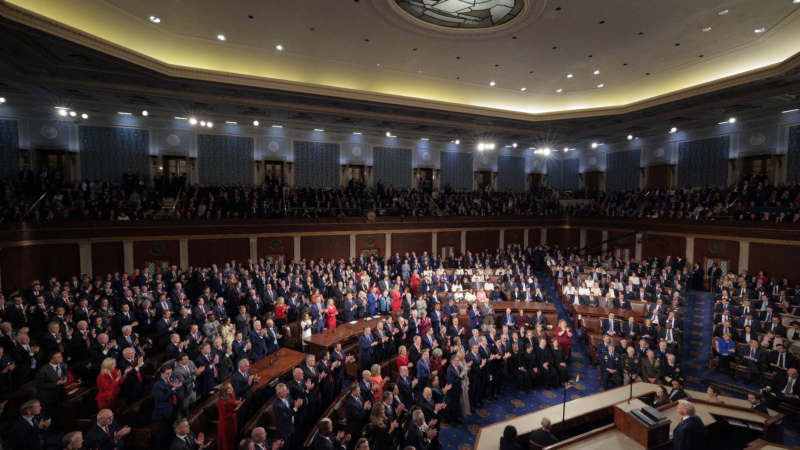
5 takeaways from Trump’s State of the Union address
President Trump hit familiar notes on immigration and culture in his speech Tuesday night, but he largely underplayed the economic problems that voters say they are most concerned about.

China restricts exports to 40 Japanese entities with ties to military
China on Tuesday restricted exports to 40 Japanese entities it says are contributing to Japan's "remilitarization," in the latest escalation of tensions with Tokyo.
