
Uncertainty Around Coronavirus Hits The Travel Industry Hard
Updated Friday, March 20, 12:41 p.m. — Gov. Kay Ivey and the Alabama Department of Public Health closed all beaches through April 5th under a new statewide health order.
Anna Clinkman knows there are bigger problems in the world. But she admits she and her husband grieved after they had to cancel a spring break trip they had planned to San Francisco. They had an Airbnb in the Castro District and tickets to a Giants game. They were going to go to the renowned restaurant Chez Panisse. Clinkman could see it in her mind.
“Watching that steak just like hit the grill and thinking about that meal on our anniversary night,” Clinkman says. “it just evaporated into thin air.”
Clinkman, who lives in Birmingham, was concerned about picking up coronavirus in an airport. She and her husband also have older relatives who are high risk.
“This just would not be socially responsible for us to go even if we were fine,” Clinkman says. “There are a lot of people that are depending on us to stay healthy and to not bring it back with us.”
Most years, families would be gearing up for spring break trips this time of year. Many kids are out of school right now around Birmingham, but it’s part of an effort to limit the spread of COVID-19. Fear of the virus and restrictions imposed by cities and public health officials’ recommendation people socially isolate is putting pressure on the travel industry.
“The drop has been more severe than 9/11 and the Great Recession,” Troy Hass, CEO of Brownell Travel says.
He says the first wave of calls came into their office last month when coronavirus hit Italy. Italy is among their top destinations. He says some trips had to be scrapped but many were just postponed.
Haas says the biggest thing the industry faces right now is uncertainty around the virus. He compares it to terrorism which used to send travelers racing to the exit. Nowadays if there’s a terrorist attack somewhere in the world, it has less of a jarring effect.
“We became accustomed to it,” Hass says. “It became a new known and we learned to manage to it.”
In Alabama, the Gulf Coast is the most popular travel destination. Gulf Shores and Orange Beach Tourism President Herb Malone says spring break is the kick-off to the high travel season. As of last week, he says most people have called to ask whether places are still open.
Malone says he expects a downturn, but less so than in other places; Alabama beachgoers generally drive to the coast. He’s taking it a day at a time, but overall he’s optimistic.
“We have endured oil spills. We’ve endured hurricanes. You know, we have a very resilient community. This too will pass,” Malone says.
Anna Clinkman hasn’t given up on travel either. She and her husband were planning to go to Spain this summer. They cancelled that, too. Instead, they’ll take that time to travel to San Francisco, but by car, not plane.
U.S. and Iran to hold a third round of nuclear talks in Geneva
Iran and the United States prepared to meet Thursday in Geneva for nuclear negotiations, as America has gathered a fleet of aircraft and warships to the Middle East to pressure Tehran into a deal.
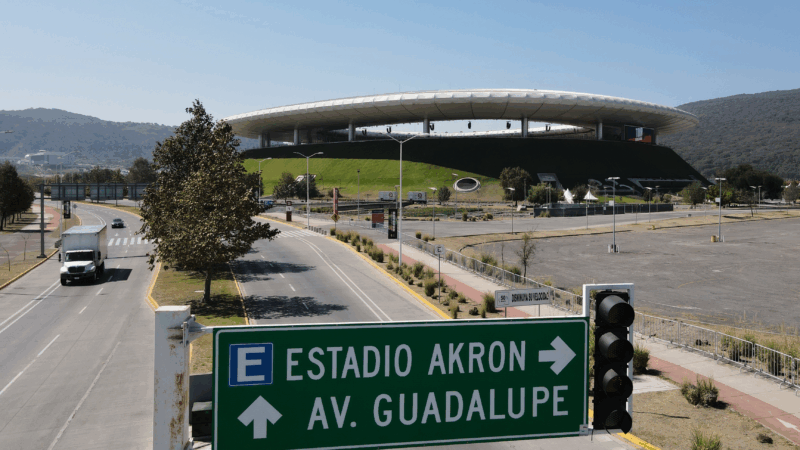
FIFA’s Infantino confident Mexico can co-host World Cup despite cartel violence
FIFA President Gianni Infantino says he has "complete confidence" in Mexico as a World Cup co-host despite days of cartel violence in the country that has left at least 70 people dead.
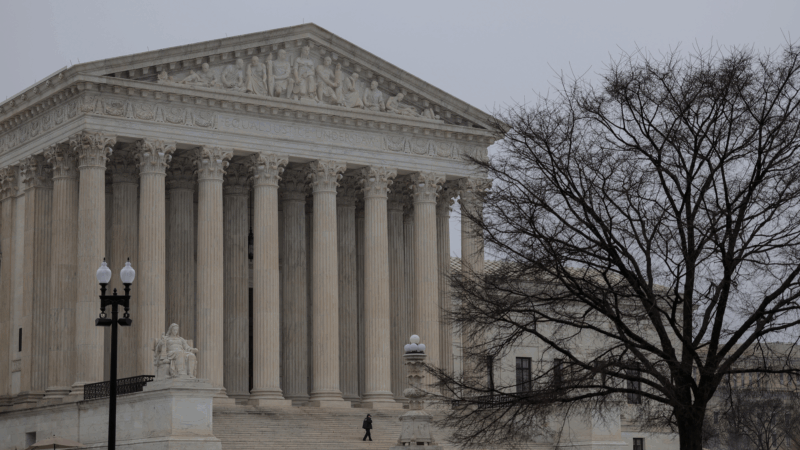
Supreme Court appears split in tax foreclosure case
At issue is whether a county can seize homeowners' residence for unpaid property taxes and sell the house at auction for less than the homeowners would get if they put their home on the market themselves.
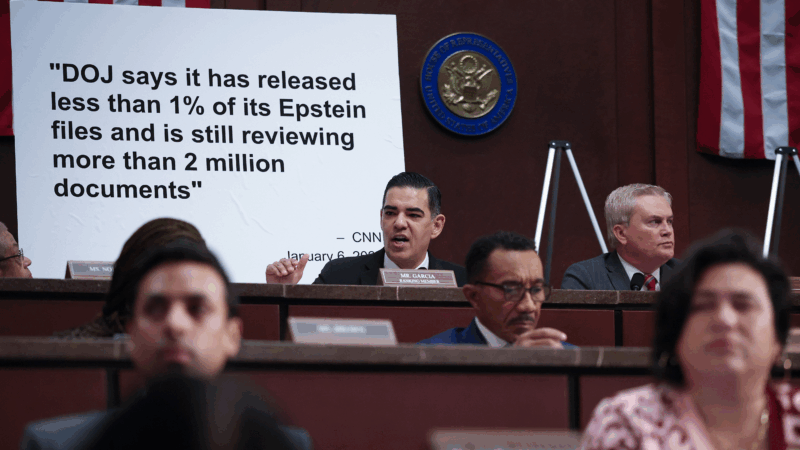
Top House Dem wants Justice Department to explain missing Trump-related Epstein files
After NPR reporting revealed dozens of pages of Epstein files related to President Trump appear to be missing from the public record, a top House Democrat wants to know why.
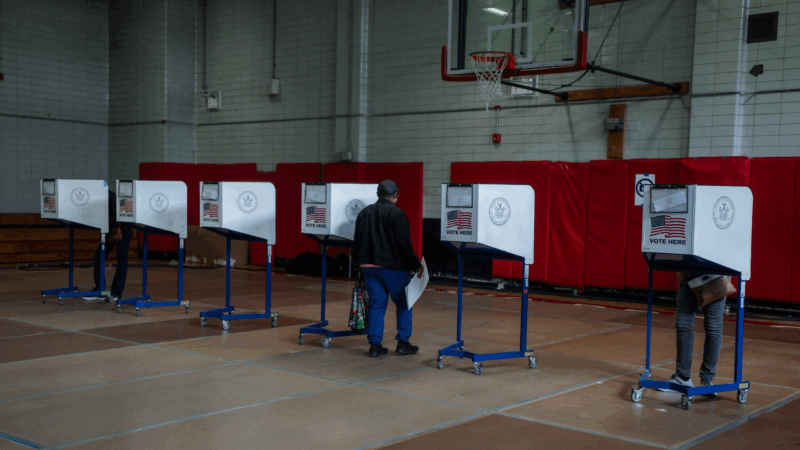
ICE won’t be at polling places this year, a Trump DHS official promises
In a call with top state voting officials, a Department of Homeland Security official stated unequivocally that immigration agents would not be patrolling polling places during this year's midterms.
Cubans from US killed after speedboat opens fire on island’s troops, Havana says
Cuba says the 10 passengers on a boat that opened fire on its soldiers were armed Cubans living in the U.S. who were trying to infiltrate the island and unleash terrorism. Secretary of State Marco Rubio says the U.S. is gathering its own information.
