
Birmingham Police Need The Public’s Help In Solving Homicides, Woodfin Says
Mayor Randall Woodfin pleaded with Birmingham residents on Wednesday to help police in homicide investigations, saying police have “hit a wall that’s hard to crack” in many cases: uncooperative witnesses.
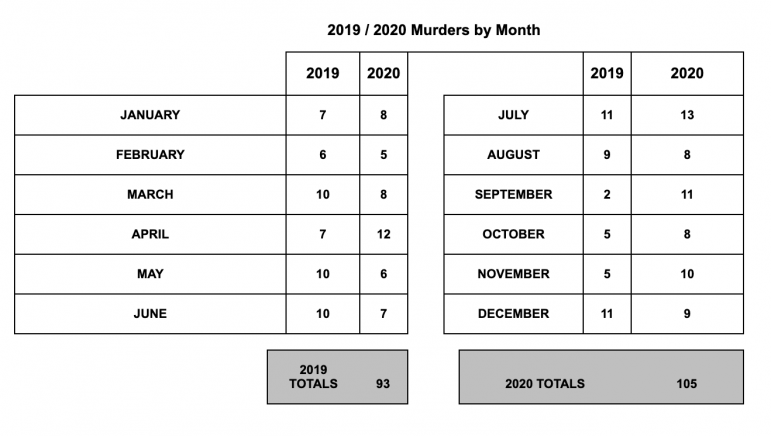
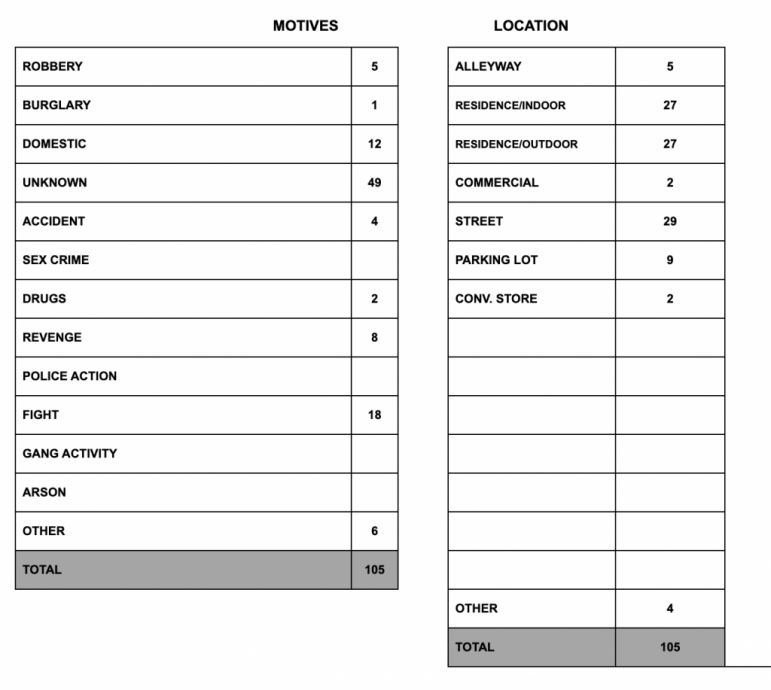
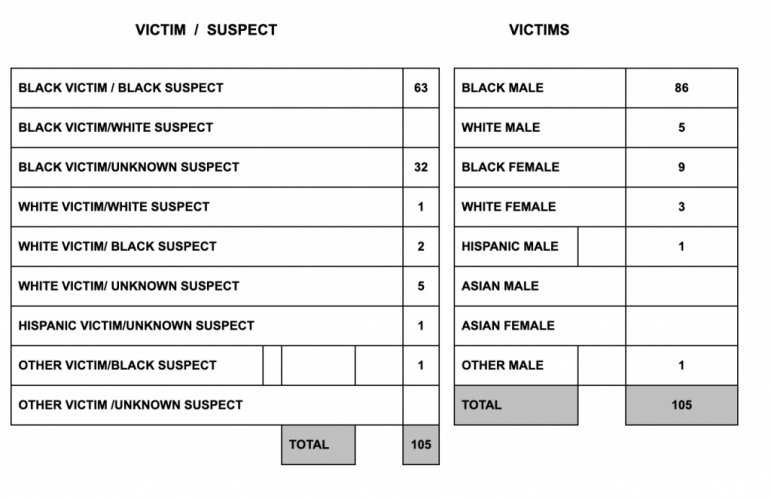
There have been 120 homicides in Birmingham this year, 15 of which have been ruled justifiable. Sixty-two of the remaining 105 homicides remain unsolved. That low clearance rate, Woodfin said, “is not because our detectives are not doing their job.”
“Trust me, they are,” he said during a news conference with Police Chief Patrick Smith. “But we don’t have more solved cases in part because there are some people who know who are behind these killings, but they won’t say anything.”
Woodfin said witnesses were typically uncooperative for three reasons — a genuine fear of retaliation, a “no snitching” credo, or a desire to handle matters “through street justice.”
“Those three sides are not the path to justice,” Woodfin said. “It’s only the path to more pain, more unanswered questions from grieving families, a gateway to more violence. This is not the closure hurting families need nor the closure hurting families deserve. This is injustice.”
Overall, violent crime in Birmingham has dropped in almost every major category, Smith added. Rape cases have dropped by 45%, robberies by 37%, property crime by 26%, and violent crime overall by 20%. But the city’s murder rate has spiked by 12%; at this point last year, the city had logged 93 homicides.
Woodfin said he had spoken with other mayors across the country whose cities are experiencing the same phenomenon.
“I think a part of it is where we are as a country and a community as it relates to the prevalence of guns, the easy access to guns, younger people, older people, and the most unfortunate part is, it’s the way people solve their conflict,” Woodfin said. “(Several murders) were the result of some very high-risk behavior such as flashing money on social media, selling drugs, buying drugs, fighting over drugs and gambling.
“The reckless disregard for life is at an all-time high,” he added. “We need family, churches, community organizations and nonprofits to really think about the long haul here of over-investing in our young people, teaching them about the value of life, giving hope to our young people.”
Smith reiterated Woodfin’s plea for “everyone in this community to work cohesively with our police department,” adding that the BPD’s strategy for next year will include greater community engagement as well as the SARA problem-solving model of policing. He said 2021 will also see the BPD “invest in more technology.”
Police technology was a point of public controversy in 2020, particularly with the city’s decision to buy a suite of software with facial recognition capabilities. Woodfin has maintained that the city does not use facial recognition technology and cannot without approval from the City Council.
Woodfin acknowledged that controversy in Wednesday’s press conference but warned that lack of public cooperation might make more police tech necessary.
“If we don’t have witnesses to come forward, then our only other option is more technology,” he said. “As a community, we can’t have it both ways.”
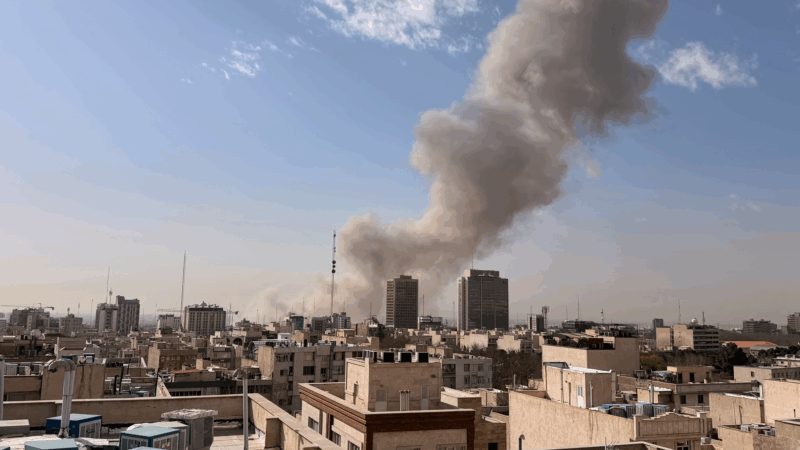
Why is the U.S. attacking Iran? Six things to know
The U.S. and Israel launched military strikes in Iran, targeting Khamenei and the Iranian president. "Operation Epic Fury" will be "massive and ongoing," President Trump said Saturday morning.
Sen. Tim Kaine calls on the Senate to vote on the war powers resolution
NPR's Scott Simon talks to Sen. Tim Kaine, D-Va., about the U.S. strikes on Iran.
Political science expert weighs in on Iran’s nuclear program in light of U.S. strikes
NPR's Scott Simon speaks to Ariane Tabatabai, the Public Service Fellow at Lawfare, about U.S. attacks on Iran and how President Trump's calls for regime change might be received there.
Week in Politics: Does Trump have political support for his actions in Iran?
We look at what President Trump's decision to attack Iran means, what kind of support he has in Iran and what this moment means for his administration.
Unlocking the secrets of an ancient plague
The first historically recorded pandemic is believed to have struck the walled city of Jirash, in what is now modern-day Jordan, in the 7th century. A new study reveals details about those who died.
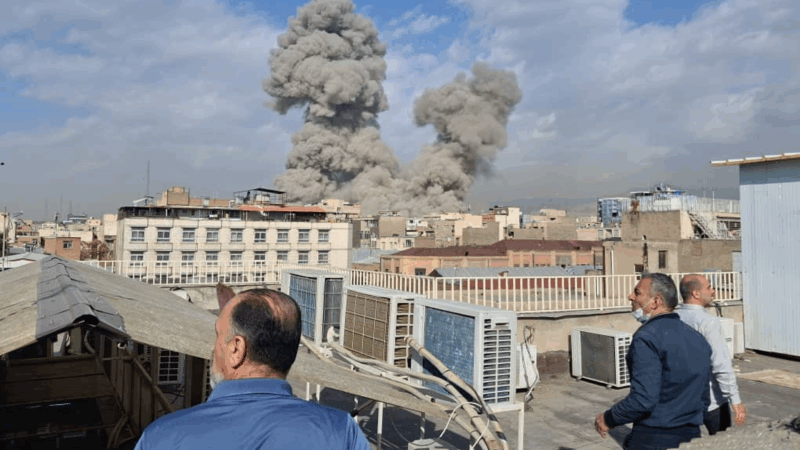
Panic, fury, and some hope, in Iran as U.S. launches strikes
In Tehran, panicked residents rushed home to shelter and terrified children poured out of classrooms as U.S. air strikes hit the capitol.
