
New Podcast Reveals “White Lies” in Selma
In 1965, Rev. James Reeb was beaten to death by white segregationists in Selma. Reeb himself was white. In an NPR podcast released Tuesday, co-hosts Andrew Beck Grace and Chip Brantley try to uncover the truth about Reeb’s death. In the podcast “White Lies,” the two Alabama natives encounter stories of guilt and learn some lessons of their own.
Interview Highlights
Unraveling the history behind James Reeb’s death:
Brantley: “The sort of strategy of our communities was not to talk about it at all. The way to grapple with this recent past was not to grapple with it. It was to say ‘Oh you know that was the past. Let’s leave that alone. Let’s move forward now. Let’s look forward. Let’s stop talking about race. Let’s not make everything about race.’ That’s the kind of world we grew up in. And you know, of course when you look at a story … 50 years is a long time ago but it’s not that long. When you start looking at a story like this, when you talk to people who were there, when you talk to people who were characters in this story from 1965 and you hear their memories you realize it is not that long ago.”
Why people in Selma were comfortable talking about Reeb’s death with Brantley and Grace:
Grace: “I think honestly it has everything to do with us being white Southerners and being able to go into to this community and ask questions and really be curious about the stories and the experiences that these folks had. And I think in some ways we were not perceived as a threat and I don’t think journalists are a threat. But I think whenever you’re trying to hold something, hold a secret, there’s a resistance to telling anyone who you think might do something that you don’t want them to do with that secret. So yeah, we were pretty conscious of our white Southernness allowing us in many ways to be able to have these conversations.”
Advantages of reporting as white Southern men:
Brantley: “I mean I think it had everything to do with our ability to get people to talk to us. So I think we were cognizant from the beginning. One of the things that I think has happened to both Andy and to me throughout this process is this stripping away of all of these layers. When we came into this we were curious about what happened. We went in with a mission of getting the definitive account. I’ll call it a pure motive, sort of pure journalistic motive to try to get the definitive account for a story that had so many different versions, still to this day. I think that was a good guiding light. But I don’t think that we could have done any of the meaningful work that we did as reporters in the same way if we had not been two white men from the South. I really don’t.”
On interviewing witnesses:
Grace: “It was not easy. In some cases it was. Again, our whiteness, our ability to talk casually about the running back situation for the Crimson Tide, I mean, we can enter into worlds, I think, as white Alabamians that maybe a journalist of color or a journalist not from Alabama might not be able to do. So it was easy sometimes. But I will say that this show hinges around a source that we cultivated for years and that person’s decision, finally, to go on the record is essentially the reason why we’re able to tell the story in the first place. So that’s just the long work of journalism it feels like.”
The role of fear within Selma’s white community after Reeb’s killing:
Grace: “There are so many different people who could have done something and didn’t and I think there were a lot of different reasons. Fear, I think, probably motivated some people. But I also think there was a story that was created about what really happened to Jim Reeb, that he was not badly hurt in Selma. It’s a story that many people still believe to this day. And by perpetuating that story, what white Selma did in many ways is they absolve themselves for any responsibility of that violence. And I think that’s what we really saw in our reporting is there in many ways it wasn’t. There’s not bad faith collectively across all of white Selma to perpetuate a lie. There is just a story that was told to that community that was received well by that community because they felt like victims. I mean listen, I was born and raised here. As an Alabamian, I feel like a victim of this past, of this history. I feel defensive of this place so often when I travel outside of it. I understand how that feels. And in a place like Selma, that had such pride and such a unique history there was even more reason to want to preserve what they thought was special and unique about the place. And the idea that all this unmitigated violence would happen there and that this white reverend from Boston would be brutally murdered on their streets, they don’t want to have anything to do with that. So that’s how they sort of allowed themselves to believe this for all these years.”
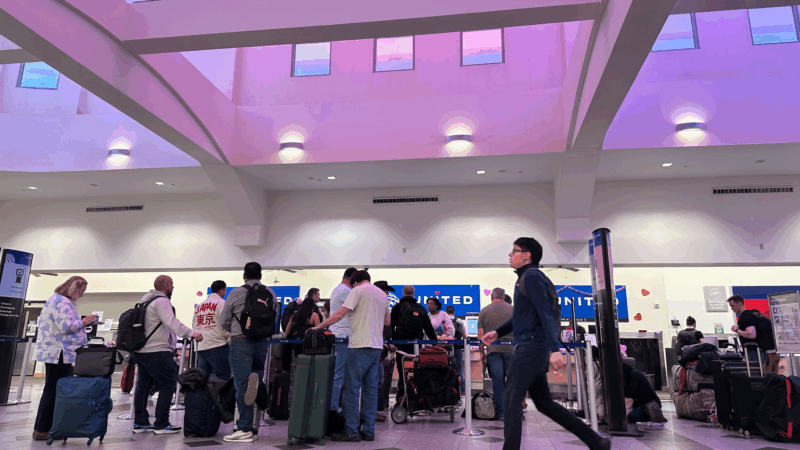
US military used laser to take down Border Protection drone, lawmakers say
The U.S. military used a laser to shoot down a Customs and Border Protection drone, members of Congress said Thursday, and the Federal Aviation Administration responded by closing more airspace near El Paso, Texas.

Deadline looms as Anthropic rejects Pentagon demands it remove AI safeguards
The Defense Department has been feuding with Anthropic over military uses of its artificial intelligence tools. At stake are hundreds of millions of dollars in contracts and access to some of the most advanced AI on the planet.

Pakistan’s defense minister says that there is now ‘open war’ with Afghanistan after latest strikes
Pakistan's defense minister said that his country ran out of "patience" and considers that there is now an "open war" with Afghanistan, after both countries launched strikes following an Afghan cross-border attack.

Hillary Clinton calls House Oversight questioning ‘repetitive’ in 6 hour deposition
In more than seven hours behind closed doors, former Secretary of State Hillary Clinton answered questions from the House Oversight Committee as it investigates Jeffrey Epstein.
Chicagoans pay respects to Jesse Jackson as cross-country memorial services begin
Memorial services for the Rev. Jesse Jackson Sr. to honor his long civil rights legacy begin in Chicago. Events will also take place in Washington, D.C., and South Carolina, where he was born and began his activism.
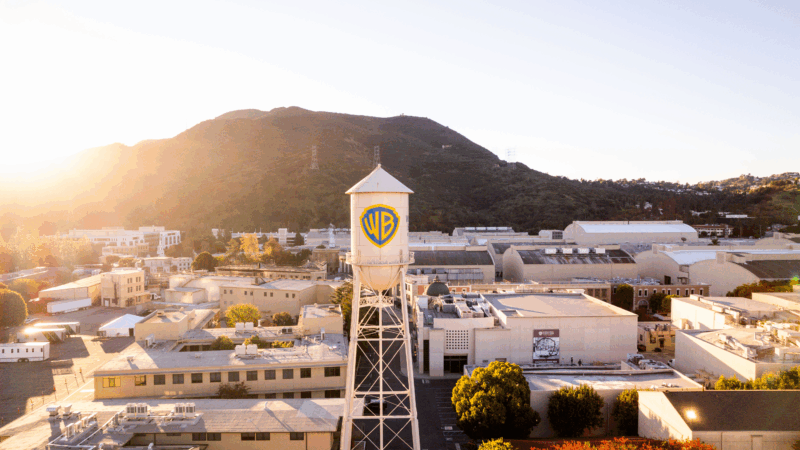
In reversal, Warner Bros. jilts Netflix for Paramount
Warner Bros. says Paramount's sweetened bid to buy the whole company is "superior" to an $83 billion deal it struck with Netflix for just its streaming services, studios, and intellectual property.
