
Gaelynn Lea: Advocating for Disability Rights Through Music
Gaelynn Lea isn’t your typical artist. She was born with brittle bone disease, a genetic disorder that results in very fragile bones. The classically trained violinist and songwriter won NPR’s Tiny Desk contest in 2016. Lea uses her music as a platform to advocate for disability rights. She’ll perform in Birmingham for UAB’s Social Spotlight Festival. She shares more about her condition and how being a wheelchair user hasn’t stopped her from performing.
Interview Highlights
Living with brittle bone disease:
“A bunch of them [bones] broke before I was born and healed kind of bent, so my arms and legs are bent at a 90 degree angle. I’ve never walked and I’ve needed a wheelchair pretty much my whole life. I have really great parents. They’re both still living and they’re amazing people and they did a good job of just saying whatever I wanted to do that if I really wanted to do it I would figure out a way, which I think is pretty common if you have the right support. It’s just learning how to adapt things to work for you. So I did a lot of different activities growing up and then I got involved in music around the age of 10.”
Finding a love for music:
“An orchestra came to my school when I was in fourth grade and I really loved the way it sounded and I wanted to try it out. So we tried all sorts of instruments the cello and then we tried playing the violin regularly but it didn’t work out. Then, together we came up with this idea that I could play violin upright like a little cello and that ended up working for me. I hold my bow like a bass player, an upright bass player. I started performing first through classical music in school and then I went to traditional fiddle music and then in 2011 I started writing my own songs as well.”
Appearance at UAB’s Social Spotlight:
“This year the goal is to raise awareness about disability rights. By winning that Tiny Desk Contest back in 2016, I also had a chance to start speaking publicly about disability rights and accessibility in the arts and different topics that are important to me. So the coordinator thought that it would be a good fit to have me perform as a part of this festival just knowing my background in activism and music kind of simultaneously.”
On music and advocacy:
“I think art has always been a really important part of activism. It’s certainly not the only way but it’s a good way to reach people. So the more artists that we see with disabilities or the more diversity we have in the arts, I think, the more messages that get out there into the mainstream and I think that’s really important.”
Gaelynn Lea will perform at the Alys Stephens Center Friday, February 8th at 7pm.
Lea will also have free performances at Seasick Records on Saturday, February 9th at 3pm and Beloved Community Church at 6 pm.
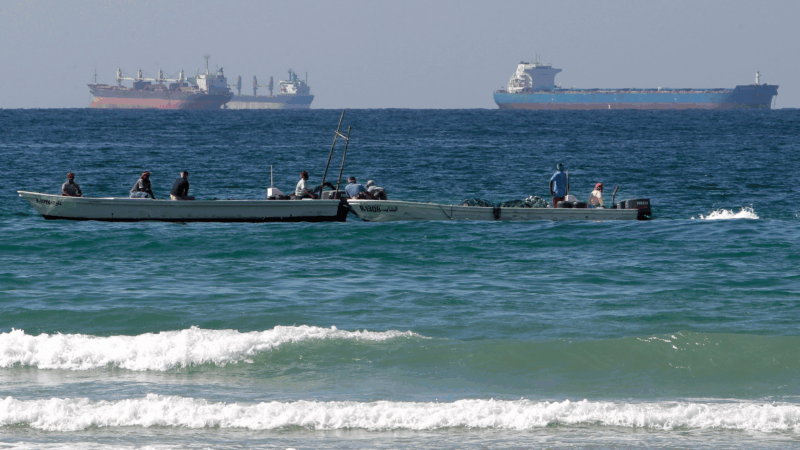
Oil prices rise sharply in market trading after attacks in Middle East disrupt supply
The high prices came as U.S. and Israeli attacks on Iran and retaliatory strikes against Israel and U.S. military installations around the Gulf sent disruptions through the global energy supply chain.
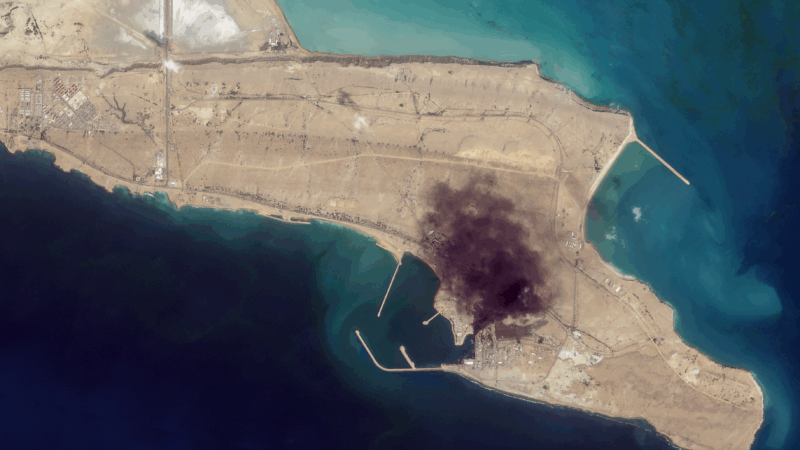
Satellite images provide view inside Iran at war
Satellite images from commercial companies show the extent of U.S. and Israeli strikes, and how Iran is responding.
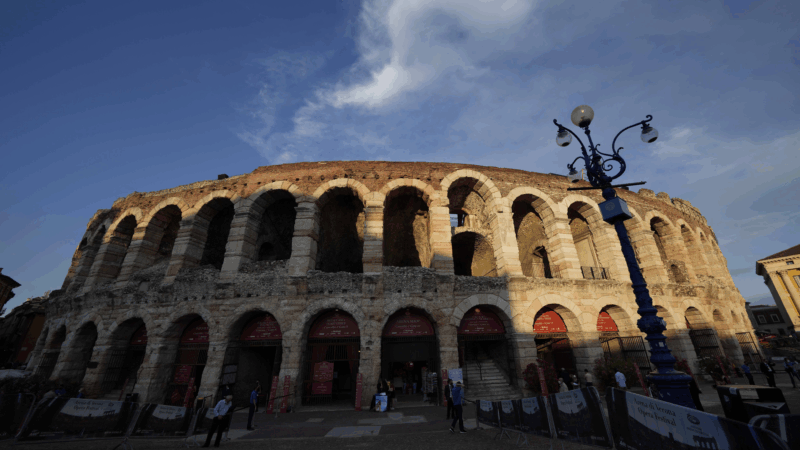
Mideast clashes breach Olympic truce as athletes gather for Winter Paralympic Games
Fighting intensified in the Middle East during the Olympic truce, in effect through March 15. Flights are being disrupted as athletes and families converge on Italy for the Winter Paralympics.
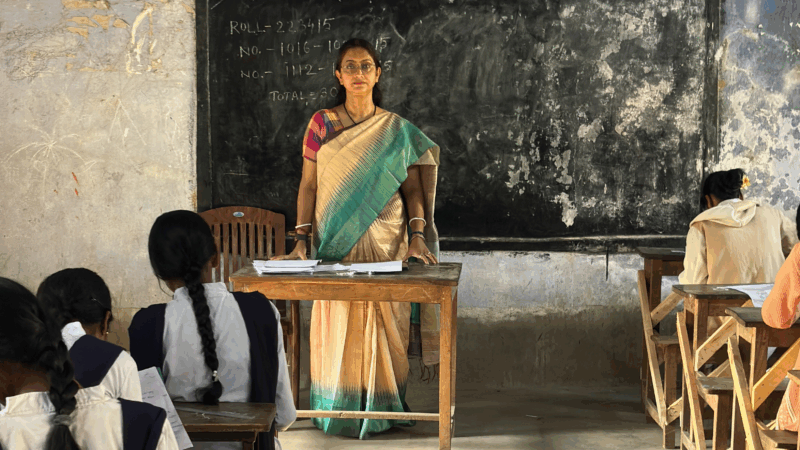
A U.S. scholarship thrills a teacher in India. Then came the soul-crushing questions
She was thrilled to become the first teacher from a government-sponsored school in India to get a Fulbright exchange award to learn from U.S. schools. People asked two questions that clouded her joy.

Sunday Puzzle: Sandwiched
NPR's Ayesha Rascoe plays the puzzle with WXXI listener Jonathan Black and Weekend Edition Puzzlemaster Will Shortz.
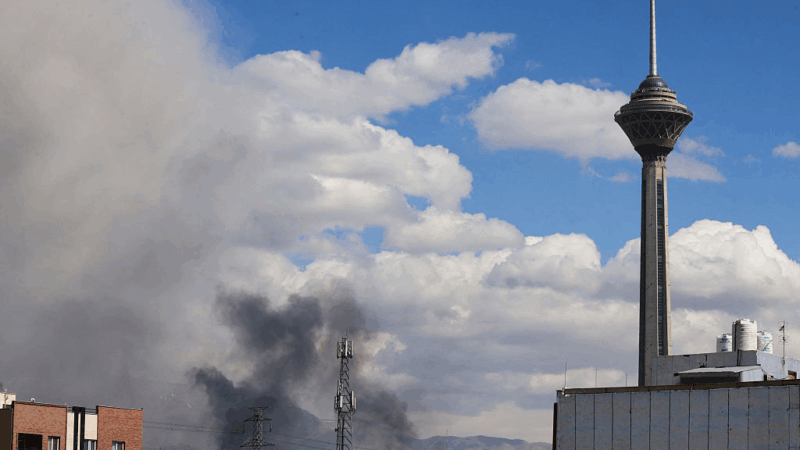
U.S.-Israeli strikes in Iran continue into 2nd day, as the region faces turmoil
Israel said on Sunday it had launched more attacks on Iran, while the Iranian government continued strikes on Israel and on U.S. targets in Gulf states, Iraq and Jordan.
