
Alabama Has Nation’s Highest Rate of Cervical Cancer Death
Alabama has the highest rate of cervical cancer death in the country. African-American women in the state die from the disease at nearly twice the rate of white women. That is according to a report released Thursday by Human Rights Watch, an international nonprofit. Amanda Klasing is a senior researcher who worked on the report.
“This is such a slow growing cancer,” Klasing says. “It is such a preventable form of cancer, that if you have women dying from it, it means something else is wrong in the healthcare system.”
When identified early, the odds of surviving cervical cancer are very good, with a 93% rate of survival after five years. The report says Alabama’s high rate of mortality reflects statewide barriers to care, like not having access to a gynecologist and inadequate health education. It is especially a problem in the Black Belt, a poor, rural part of the state. There, women may drive hours to get a check-up or to see a specialist, if they can get transportation. The report says racial disparities also play a role, with African-American women often diagnosed at a later stage than white women.
“There are structural forms of racism that continue to exist in the health system or that are carry-overs from abuses that existed years ago,” Klasing says.
Human Rights Watch recommends increasing awareness of the HPV vaccine, which prevents the virus that can cause cervical cancer. The group says Alabama should better fund outreach programs in the Black Belt and help people follow preventative guidelines. It also advocates for Alabama to expand Medicaid. Poor, uninsured women in the state are at a higher risk of dying from cervical cancer because they cannot afford treatment.

Chilean Smiljan Radić Clarke wins architecture’s highest honor
The Pritzker Prize was awarded Thursday. "In every work, he is able to answer with radical originality, making the unobvious obvious," said fellow Chilean architect and prize chair Alejandro Aravena.
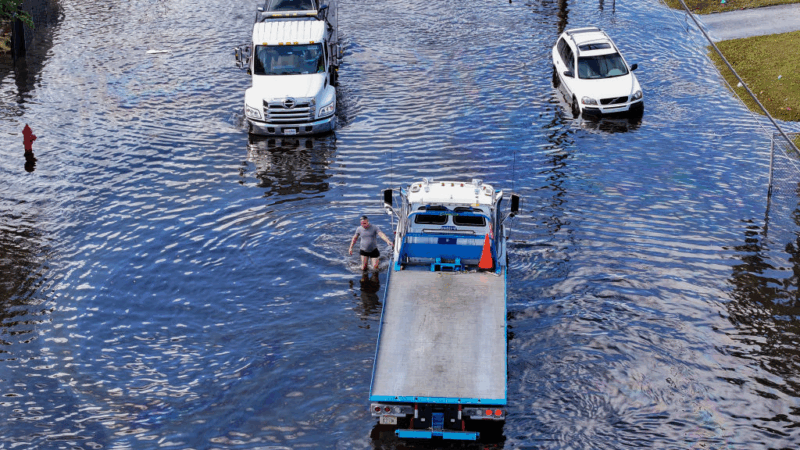
El Niño is set to take hold this summer, driving up global temperatures
A potentially strong El Niño weather pattern will likely emerge this summer and persist through the rest of the year. The hottest years on record generally occur in years when El Niño is active.

‘Songs from the Hole’: The story behind JJ’88’s documentary and visual album
The visual album and documentary Songs from the Hole tells the story of James Jacobs, the hip-hop artist JJ'88, as he reflects on his coming-of-age within California's state prison system.
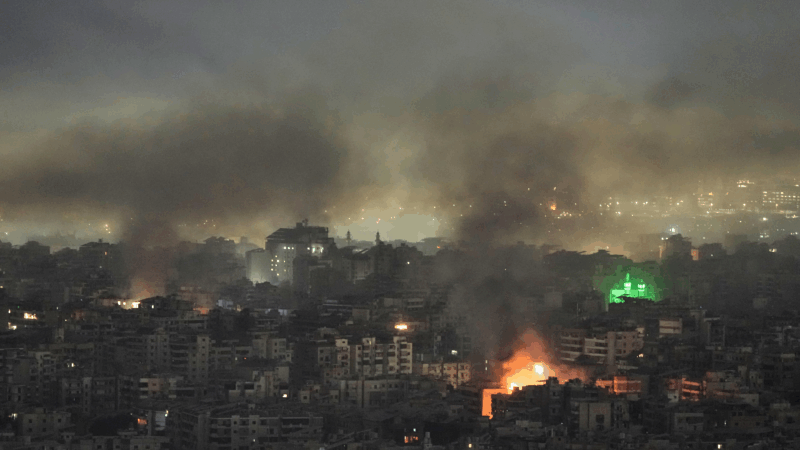
Oil price surges as Iran steps up attacks on ships in the Persian Gulf
Markets seesawed on Day 13 of the war in the Middle East, as two oil tankers were struck by projectiles near Iraq's southern ports and attacks between Israel and Hezbollah intensified.
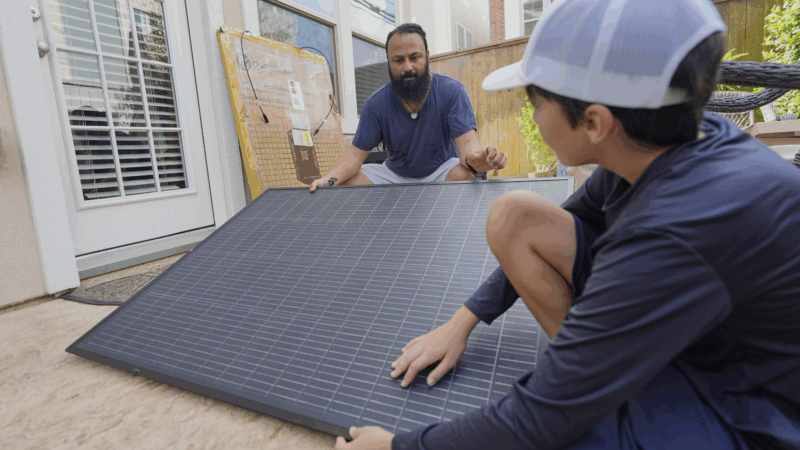
Easy-to-use solar panels are coming, but utilities are trying to delay them
Utilities are convincing lawmakers around the U.S. to delay bills that would allow people to buy solar panels, plug them into an outlet and begin generating electricity.

Trump’s war with Iran is angering some swing voters who want money spent at home
Swing voters who helped reelect President Trump in 2024 don't support his decision to go to war in Iran and instead want to see U.S. tax dollars spent tackling economic pressures facing Americans.
