
Bell Calls Birmingham’s Revitalizing Neighborhoods the Next Challenge
Birmingham Mayor William Bell has been a Xerox marketer and a probation officer, but since 1979, he’s been in local government. Voters will decide in municipal elections on Tuesday whether he’ll continue to serve as Mayor. After almost eight years in that position, Bell tells WBHM’s Sherrel Stewart he wants to do it again.
In his nearly eight years as mayor, William Bell has drawn criticism and praise. He says, “I still believe that Birmingham’s greater days are still in front of it. When I was elected in 2010, there was a dark cloud over the city of Birmingham. We had lost the previous mayor, who had been indicted and convicted. I think the voters wanted someone to come in and stabilize the city. Once I got that opportunity, I wanted to change the quality of life in Birmingham.”
The greatest challenge facing Birmingham
Birmingham has seen significant growth downtown and in communities such as Avondale and Woodlawn. “We’ve got to channel that into some of our other neighborhoods,” he says. “For example, we announced a couple of months ago that we’re going to be spending money to rebuild the industry business district that will have a profound impact on the west and south of Birmingham.”
Birmingham and regional cooperation
A recent report says Birmingham lags in certain areas because of a lack of regional cooperation. Bell says it will be a long time before Birmingham moves toward the regional or “One Great City” model proposed in the 1970s. But even without a regional government, he says, the city can cooperate now and do more in the future:
“We always had the idea that if something is good for Hoover, then it must be bad for Birmingham. If things are all going well for Bessemer, then Birmingham better watch out. And my attitude is that we’re all in this boat together and I’ve demonstrated that regional cooperation. When you look at any time that there has been a disaster or storm damage in other areas, Birmingham is one of the first cities to reach out to those other neighbors. Those other neighbors also reached back out to Birmingham in 2011 when we had our storms and tornadoes.”
Friction between the mayor and council
Bell says that for more than six years, there was a smooth relationship between the Mayor’s Office and the City Council. He doesn’t know what changed it, but acknowledges that a gap exists.
“Every now and then you’re going to have conflicts between different branches of government,” he says. “The council has a legislative function. The mayor has an administrative function. And the conflict comes in when one tries to bleed over into the other and sometimes we don’t know where those boundaries are. It’s a political environment, and after this political season has passed us, I think you’ll see more cooperation all the way around.”
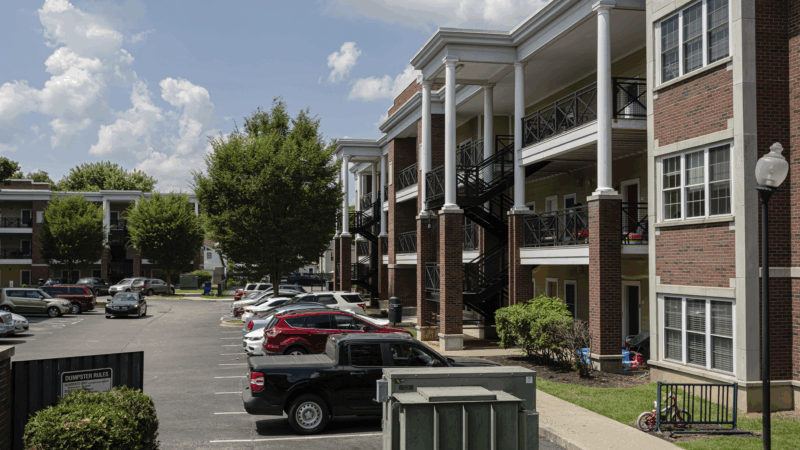
HUD proposes time limits and work requirements for rental aid
The rule would allow housing agencies and landlords to impose such requirements "to encourage self-sufficiency." Critics say most who can work already do, but their wages are low.
Paramount and Warner Bros’ deal is about merging studios, and a whole lot more
The nearly $111 billion marriage would unite Paramount and Warner film studios, streamers and television properties — including CNN — under the control of the wealthy Ellison family.

A new film follows Paul McCartney’s 2nd act after The Beatles’ breakup
While previous documentaries captured the frenzy of Beatlemania, Man on the Run focuses on McCartney in the years between the band's breakup and John Lennon's death.

An aspiring dancer. A wealthy benefactor. And ‘Dreams’ turned to nightmare
A new psychological drama from Mexican filmmaker Michel Franco centers on the torrid affair between a wealthy San Francisco philanthropist and an undocumented immigrant who aspires to be a dancer.
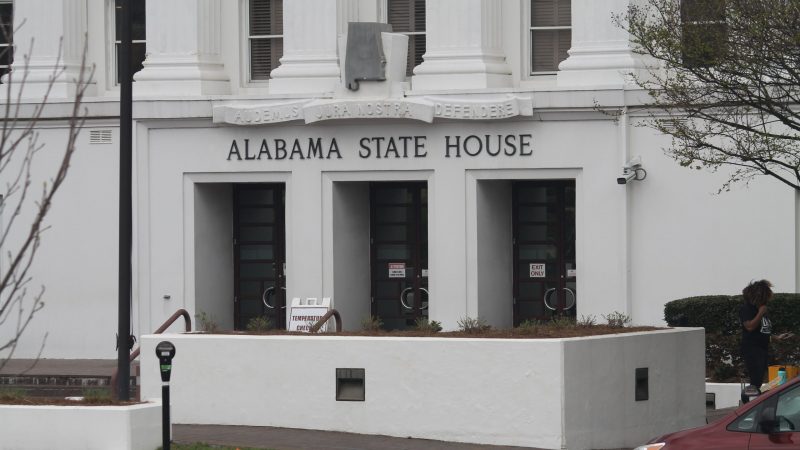
Bill making the Public Service Commission an appointed board is dead for the session
Usually when discussing legislative action, the focus is on what's moving forward. But plenty of bills in a legislature stall or even die. Leaders in the Alabama legislature say a bill involving the Public Service Commission is dead for the session. We get details on that from Todd Stacy, host of Capitol Journal on Alabama Public Television.
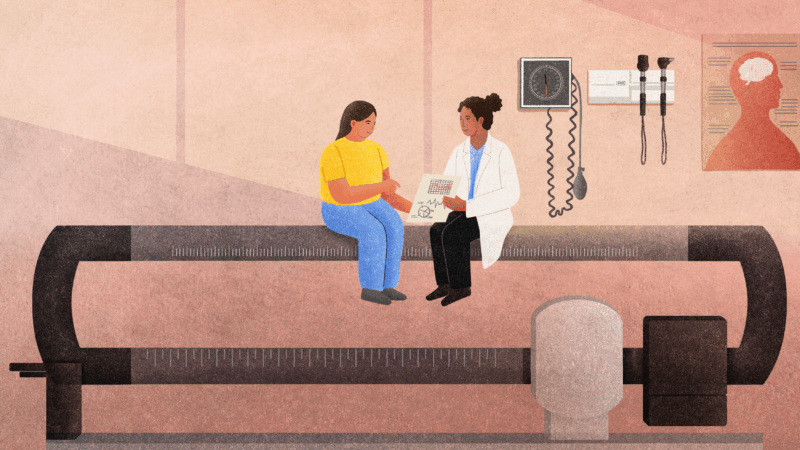
My doctor keeps focusing on my weight. What other health metrics matter more?
Our Real Talk with a Doc columnist explains how to push back if your doctor's obsessed with weight loss. And what other health metrics matter more instead.
