Naloxone Helps Stop Heroin Overdoses in Alabama, But Still Not Widely Used
In Jefferson County, heroin abuse rose dramatically in 2014. The county coroner attributed more than 140 deaths to heroin. Law enforcement and the state have been rushing to respond. Last year, the state legislature approved access to a heroin antidote: naloxone, more commonly known as narcan. If used properly, naloxone can reverse the effects of a heroin overdose. Public health officials in Alabama are trying raise awareness and get the potentially life-saving drug to the people who need it most.
More Drugs, More Overdoses
Rev. Matt Lacey is Senior Pastor at Church of the Reconciler, a United Methodist Church on the west side of downtown Birmingham that provides outreach to the homeless.
“Essentially our mission is to walk with folks who are on the street. Be with them on that really long journey from being on the street and into housing,” says Lacey. “We do everything from food to medical care, to everything in between.” That includes drug counseling. Lacey says he’s seen a rise in heroin abuse among the homeless population they serve.
“Heroin has become much so cheaper than prescription drugs. It seems to be the drug of choice for a lot of people on the streets rather than pills,” says Lacey.
“We deal with a lot of drug use and drug abuse,” says Kay Simmons, who also works with Lacey at Church of the Reconciler. She’s says their ministry has had to adapt. “We have had instances where people have overdosed. We had no other option but to call 911,” she says.
But Lacey and Simmons wanted to be better prepared, so on a recent Monday they visited the Jefferson County Department of Health to train on how to use naloxone to reverse a heroin overdose. In 2015, the Alabama Legislature approved a law allowing doctors and dentists to prescribe naloxone to people struggling with heroin abuse or to a friend or family member of a user.
WBHM,Rachel Osier Lindley
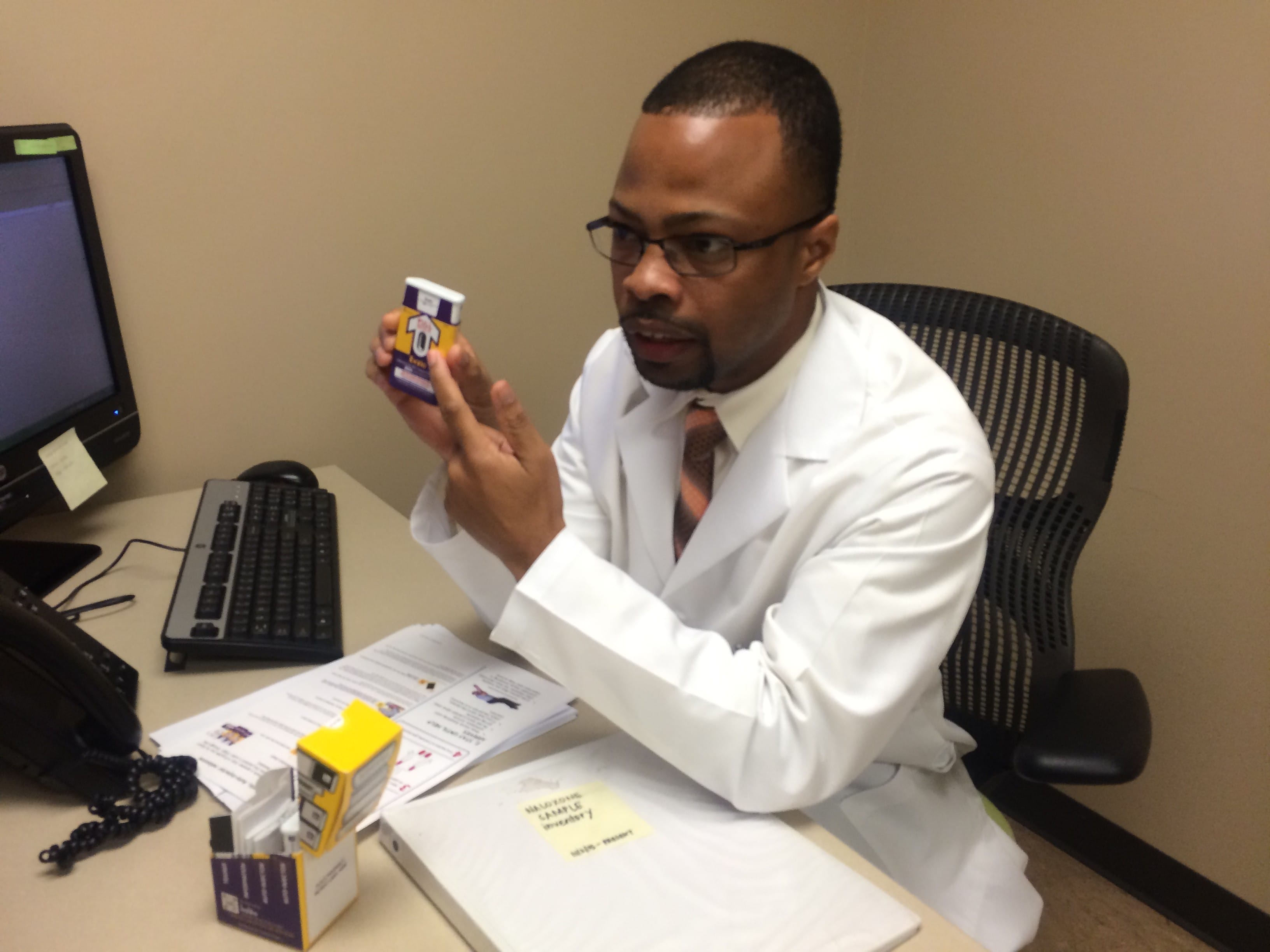
Dr. David Hicks leads the naloxone training clinic at the Jefferson County Department of Health.
Training To Use Naloxone
Dr. David Hicks, Medical Director for Adult Health and Family Planning, leads the training at the Jefferson County Department of Health. Rev. Lacey and Simmons sit in his small office as he spreads out pamphlets and naloxone injectors on his desk. The Jefferson County Department of Health has run this weekly clinic since November. Hicks says they’ve trained several dozen religious leaders, university staff and people close to heroin addicts to use naloxone. Participants leave with a prescription for naloxone and an injector. He asks Lacey and Simmons a few questions.
“Why do you feel that this is needed?” asks Dr. Hicks, filling out a form on his computer.
“We see a lot in the homeless community,” responds Lacey. “In fact, a couple weeks ago we had an overdose in our restrooms. So we want to have this on hand in case that ever happens again.”
Dr. Hicks opens a box containing one naloxone injector and one empty injector. He hands this “trainer” to Lacey. It looks like an EpiPen, the device people use to stop allergic reactions.
“This is going to teach you to give the injection,” says Dr. Hicks. “There’s no needle in here. You’re going to do it to yourself right now,” he says. Lacey and Simmons both laugh nervously.
Lacey goes first. The trainer’s robotic voice guides him through the process. He stabs the naloxone trainer into his thigh and holds for five seconds as the trainer counts, “1, 2, 3…”
Rachel Osier Lindley,WBHM
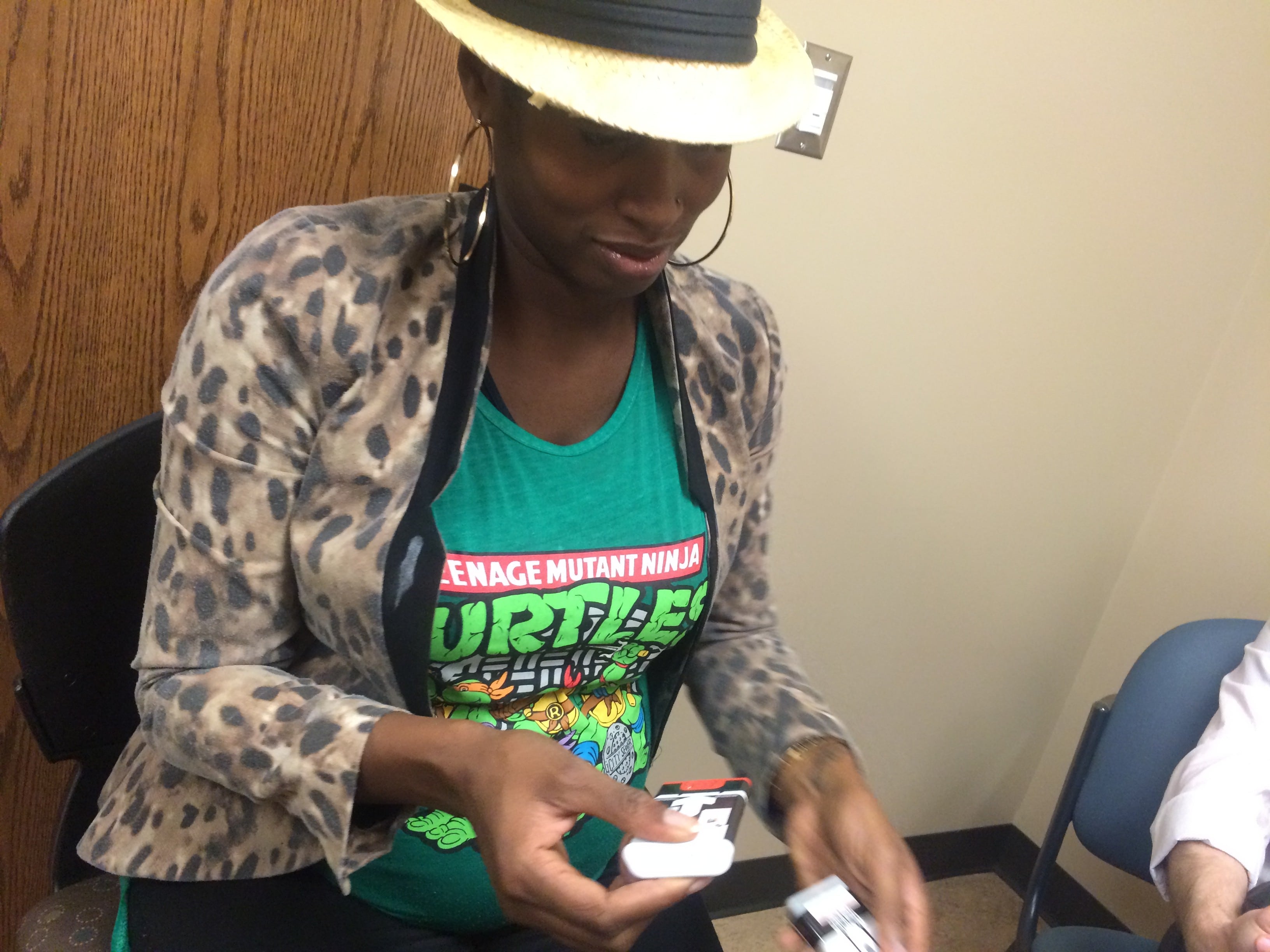
Church of the Reconciler’s Kay Simmons learns to use a naloxone injector. Simmons says having it on hand will help the church be more prepared for overdoses on church property.
Kay Simmons goes next. She says it’s surprisingly easy. “I would feel comfortable just doing it,” says Simmons. “It’s not messy and I’m not actually having to inject the needle in.” Simmons also says it’s empowering.
“The feeling that we have sometimes when we can’t help people in these types of situations can be overwhelming. So it’s exciting for me to have this product,” says Simmons. “Yeah,” responds Lacey. “I mean, hopefully we won’t have to use it.”
Lacey and Simmons say they’ll go back to Church of the Reconciler and train the rest of the staff on how to use the naloxone injectors. But Hicks and other Jefferson County health officials say not a lot of people are using naloxone or even know that you can get a prescription for naloxone in Alabama. They’re starting an aggressive media campaign next month. The goal is to get the drug to as many people who need it as possible.

Pipe bomb suspect told FBI he targeted U.S. political parties, memo says
The man accused of placing two pipe bombs in Washington on the eve of Jan. 6, 2021 told investigators someone needed to "speak up" for people who believed the 2020 election was stolen, prosecutors said Sunday.
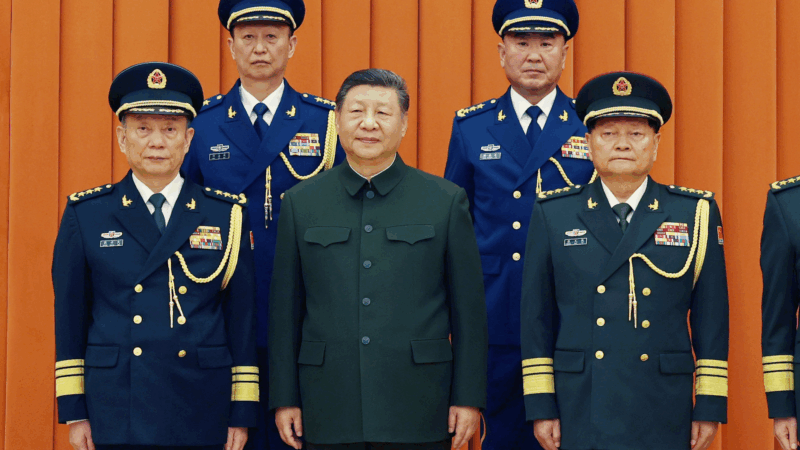
Chinese military stages drills around Taiwan to warn ‘external forces’
The drills came after Beijing expressed anger at U.S. arms sales, and a statement by Japan's prime minister saying its military could get involved if China were to take action against Taiwan.
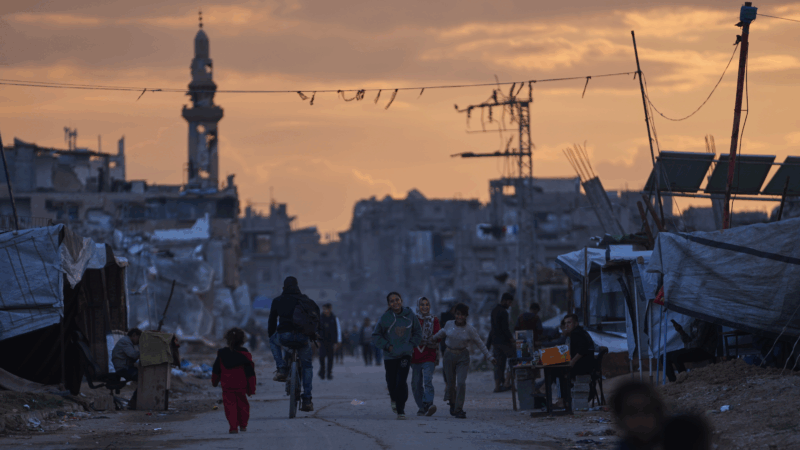
Trump and Netanyahu to meet in Florida at a crucial moment for the Gaza ceasefire
President Trump could use the face-to-face at his Mar-a-Lago estate to look for ways to speed up the peace process, as Israel's leader has been accused of not pushing his side to move fast enough.
‘Bomb cyclone’ forecasted to bring heavy snow, blizzard conditions and dangerous travel
A 'bomb cyclone' is intensifying severe winter weather for millions of people across the U.S. The system is expected to knock out power and disrupt holiday travel.

Russia sends 3 Iranian satellites into orbit, report says
The report said that a Russian rocket sent the satellites on Sunday from a launchpad in eastern Russia.
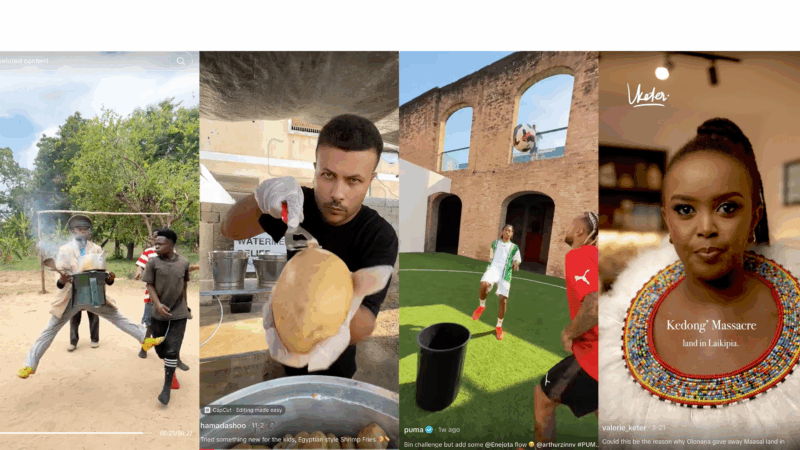
Viral global TikToks: A twist on soccer, Tanzania’s Charlie Chaplin, hope in Gaza
TikToks are everywhere (well, except countries like Australia and India, where they've been banned.) We talk to the creators of some of the year's most popular reels from the Global South.