
Matters of Choice: Florida — A Hot Spot for School Choice
Florida has become one of the nation’s hot spots for school choice programs. While many ideas may have originated in other states, Florida has adopted them and created a massive alternative system. WFSU-FM’s Lynn Hatter takes a look at the decades-long movement that is school choice in Florida as part of the Southern Education Desk series, Matters of Choice.
How many different forms of school choice are there in Florida?
Leon County Superintendent Jackie Pons says about seven years ago, the district decided to fully embrace school choice options.
“We have our IB program. We have our pre-IB program. We have our technology magnet available at Godby High School. We have choice programs related to special needs developed through the choice office. We have charter schools… We’re a choice district.”
Choices include charter schools, an optional 7th period, cross-zone school attendance, cross-county attendance if a students in a nearby failing district, private schools, county-wide virtual school- and a state virtual option – not to mention home schooling. Pons has also sought to recruit kids back into the traditional school system.
“If you are in a charter school today and you decide you want to come back, you can pick the school you want to go to. It’s called charter school choice,” he says.
Every year, choice advocates from across Florida gather at the Capitol, supporting even more choice in a state where this education option has set templates for other states to follow.
Doug Tuthill, president of Step Up For Students, Florida’s corporate tax scholarship program, or what its critics have labeled school vouchers, says, “Florida is clearly a national leader in what I call, customization.”
“You see school districts doing a tremendous job of offering magnet programs, more schools within schools, dual-enrollment programs, more charter schools offered, tax credit scholarships, Voluntary Pre-K, VPK is the largest voucher program in the state,” he continues.
Tuthill calls Florida’s customized learning programs “choice on steroids”. His organization is one of the oldest of its kind, created after the Florida Supreme Court ruled giving public money for kids to go to private schools is unconstitutional. The state instituted a work-around, giving private companies dollar-for-dollar tax credits in exchange for donating money to funding organizations, like Step Up For Students, which provide the scholarships to low-income families. He says the program has become a model for other states, including Georgia.
“Our program really focuses on high poverty kids. And other states aren’t means-tested. But for us, that’s a big deal.”
Florida has not been afraid to experiment when it comes to school choice programs. The state is constantly looking for new ways to innovate when it comes to education—and that’s often come with critics who say Florida lawmakers change education policy way too much. Despite that, many of Florida’s choice programs enjoy bipartisan support. And in this state, choice, and a certain GOP presidential candidate, are nearly synonymous. Just ask former Democratic State Senator, Al Lawson.
“Florida is a leader. And I think Former Governor Jeb Bush really had education at the center of his platform.”
Bush founded the education policy groups the Foundation for Florida’s Future and the Foundation for Excellence in Education. Those organizations have carried on the message of choice and school accountability to other states. Education has been one of Bush’s favorite issues to discuss, but the man who lit the torch was the last Democratic governor of Florida—Lawton Chiles. He approved the state’s charter school law.
Lawson says he initially shied away from choice programs. After all, charters do compete with traditional public schools for dollars, by way of students. but he later came around.
“I come in contact with a lot of people who say their kid wouldn’t have made it if there wasn’t choice. So I think it’s good.”
He continues, “I think choice has to be scrutinized the same way public education system is. Are these kids getting educated, do they have the opportunity to be good citizens? And I think that’s what choice has been doing.”
Now, choice advocates are on to the next phase: personal education funding accounts. The state has a small program for some disabled Floridians, but Tuthill says giving money directly to parents to make choices could transform public education.
This report is supported by a grant from the Corporation for Public Broadcasting.
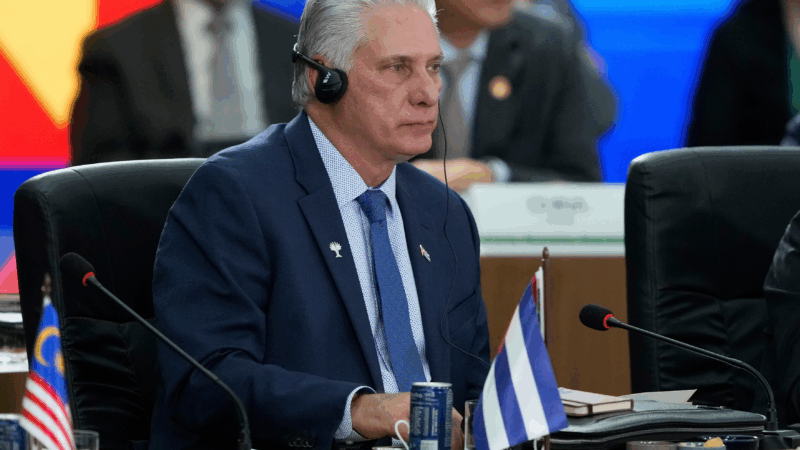
Cuba will release 51 people from prison in an unexpected move
The announcement was made just hours before Cuban President Miguel Díaz-Canel is scheduled to speak early Friday "to address national and international issues."
A record number of political parties register for Haiti’s first election in a decade
A record 280 political parties had registered by Thursday's deadline to participate in Haiti's first general election in a decade, hopeful for a chance to help ease their country's multiple crises.
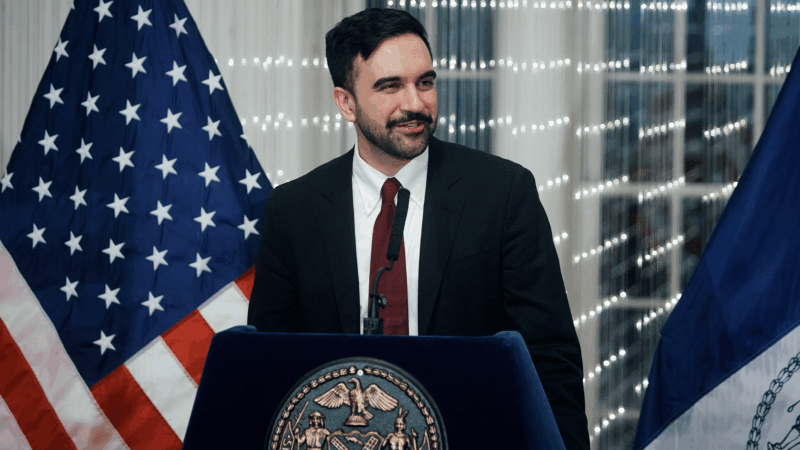
NYC’s Mamdani condemns Tuberville’s anti-Muslim posts as “bigotry”
Speaking at a public iftar dinner, held to break the daily Ramadan fast, New York City Mayor Mamdani described Sen. Tuberville's anti-Muslim rhetoric as "bigotry" and "hatred."

China slams Trump’s trade investigation, as it approves a 5-year economic plan
China's Foreign Ministry criticized the Trump administration's trade investigation as a "pretext" for tariffs. Meanwhile, China is moving ahead with a five-year plan that may rankle trade partners.
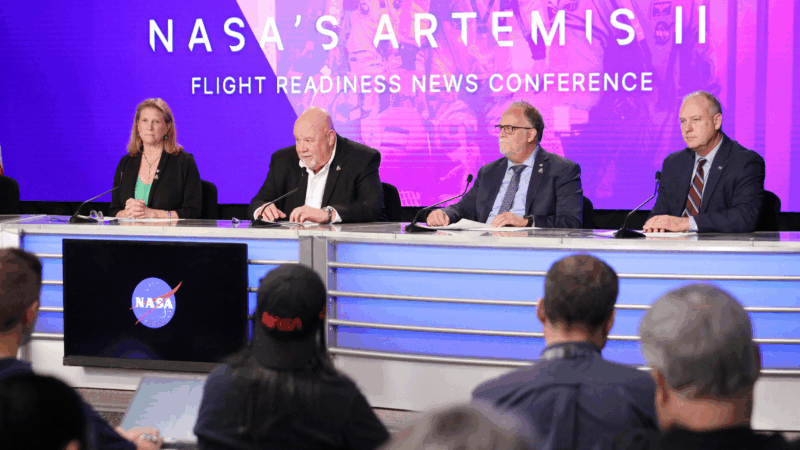
NASA targets Artemis II crewed moon mission for April 1 launch
A six-day launch window opens on April 1 from NASA's Kennedy Space Center in Florida. The lunar orbital mission would be the first time humans have returned to the moon since Apollo 17 in 1972.
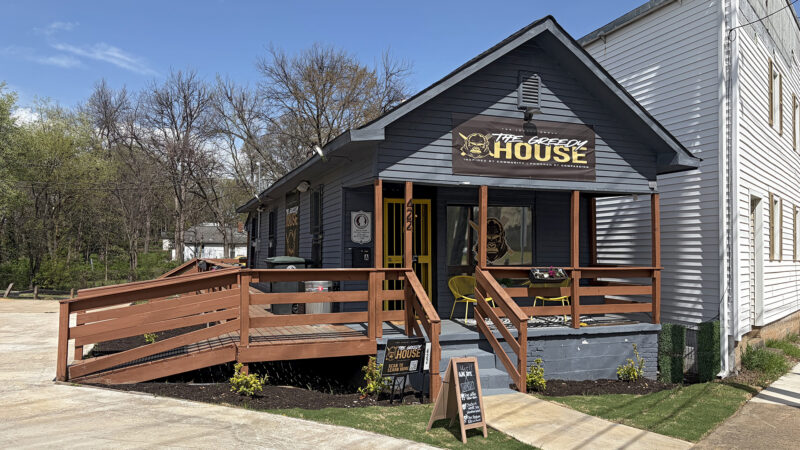
Auburn football player uses NIL funds to open a community hub in Birmingham
Jourdin Crawford, a freshman defensive lineman at Auburn, used earnings from a Name, Image, and Likeness deal to give back to his hometown.
