
Virgil Trucks

Virgil Trucks from a 1956 Topps baseball card
From al.com: Former major league pitcher Virgil ‘Fire’ Trucks of Calera dead at 95
This story originally aired March 31, 2011
With the baseball season beginning this week, we want to take you back 70 years and introduce you to Birmingham native Virgil “Fire” Oliver Trucks. He pitched mostly for the Detroit Tigers in the 1940’s and 50’s in an era where Ted Williams and Mickey Mantle dominated the game. Trucks is not a household name, but he’s one of only a few players to throw two no-hitters in a single season. WBHM’s Michael Krall recently visited Trucks at his home just south of Birmingham. As he found out, it’s a career filled with accomplishments, oddities, and being in the right place at the right time…
Virgil Trucks’ Wikipedia entry and career statistics.
‘One year of failure.’ The Lancet slams RFK Jr.’s first year as health chief
In a scathing review, the top US medical journal's editorial board warned that the "destruction that Kennedy has wrought in 1 in office might take generations to repair."
Here’s how world leaders are reacting to the US-Israel strikes on Iran
Several leaders voiced support for the operation – but most, including those who stopped short of condemning it, called for restraint moving forward.

How could the U.S. strikes in Iran affect the world’s oil supply?
Despite sanctions, Iran is one of the world's major oil producers, with much of its crude exported to China.
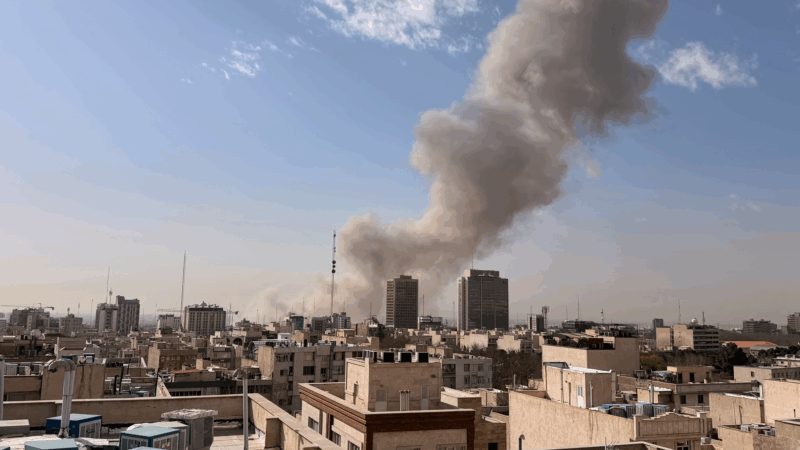
Why is the U.S. attacking Iran? Six things to know
The U.S. and Israel launched military strikes in Iran, targeting Khamenei and the Iranian president. "Operation Epic Fury" will be "massive and ongoing," President Trump said Saturday morning.

Iran strikes were launched without approval from Congress, deeply dividing lawmakers
Top lawmakers were notified about the operation shortly before it was launched, but the White House did not seek authorization from Congress to carry out the strikes.
Unlocking the secrets of an ancient plague
The first historically recorded pandemic is believed to have struck the walled city of Jirash, in what is now modern-day Jordan, in the 7th century. A new study reveals details about those who died.
