
INTERVIEW: Terrorism Expert Randall Law

Birmingham– Recently our education reporter needed a terrorism expert for a story about a new type of bomb-sniffing dogs being developed at Auburn University, so he sat down with Birmingham-Southern College’s Randall Law, an author and a terrorism historian. Their rolling conversation covered profiling, politics, the psychology of terror and more. It was so interesting we thought we’d bring it to you as a stand-alone interview. It starts with Dr. Law’s thoughts on those new super-sensitive dogs that can track bombs from afar as they’re being transported. The five-minute on-air version is above. The extended 18-minute version is below.
Supreme Court blocks redrawing of New York congressional map, dealing a win for GOP
At issue is the mid-term redrawing of New York's 11th congressional district, including Staten Island and a small part of Brooklyn.
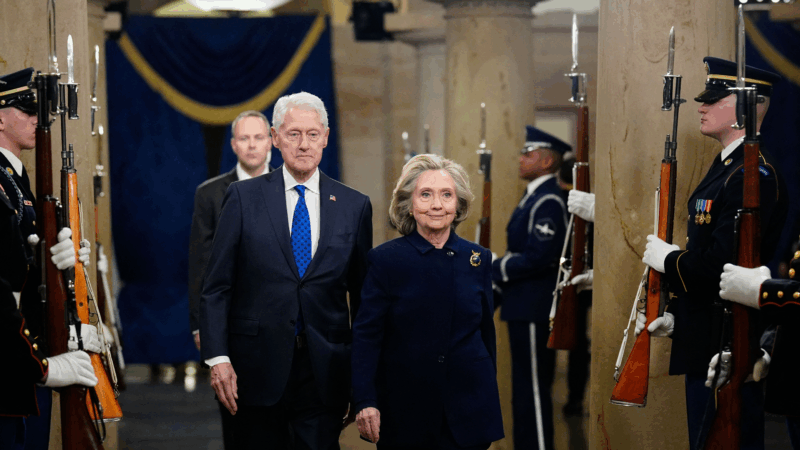
Video of Clinton depositions in Epstein investigation released by House Republicans
Over hours of testimony, the Clintons both denied knowledge of Epstein's crimes prior to his pleading guilty in 2008 to state charges in Florida for soliciting prostitution from an underage girl.
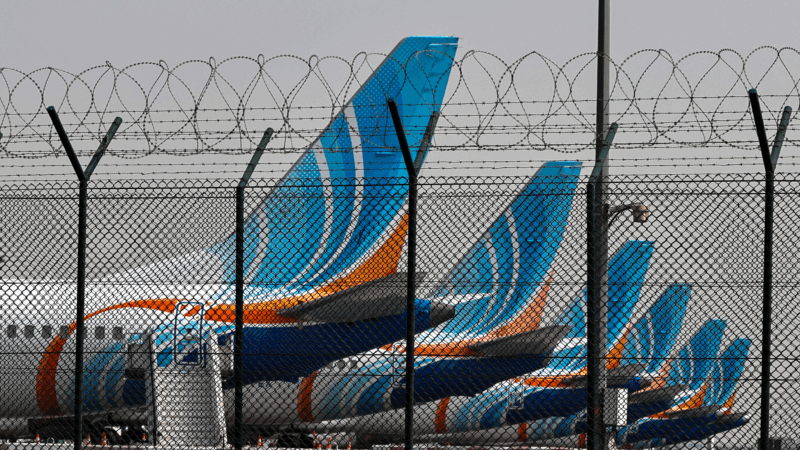
Some Middle East flights resume, but thousands of travelers are still stranded by war
Limited flights out of the Middle East resumed on Monday. But hundreds of thousands of travelers are still stranded in the region after attacks on Iran by the U.S. and Israel.
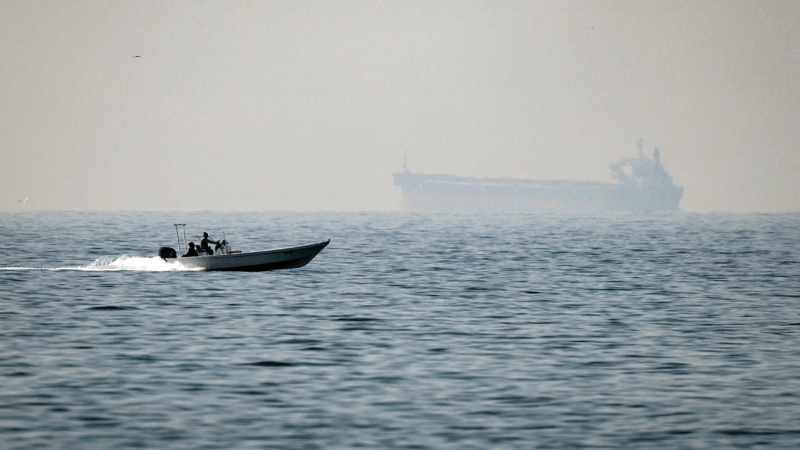
Oil prices surge, but no panic yet, as Iran war continues
Global oil prices are in the high $70s as traffic through Strait of Hormuz comes to a halt. Some analysts have warned they could top $100 a barrel if the stoppage is prolonged.
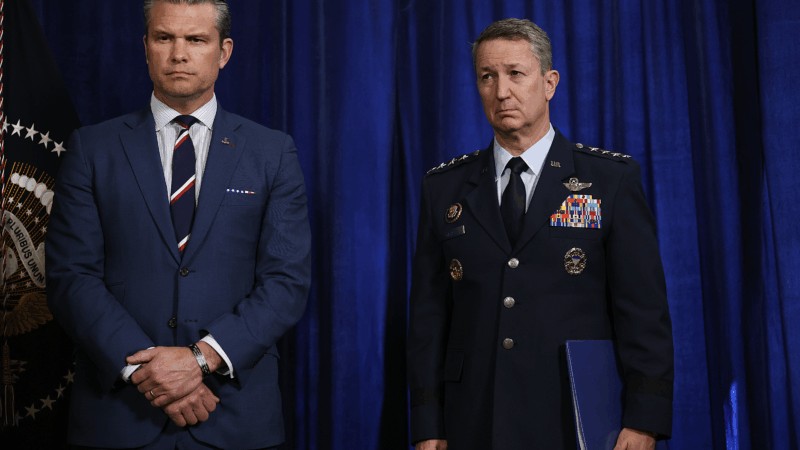
Hegseth: ‘We didn’t start this war but under President Trump we’re finishing it’
The remarks are the first to reporters since the U.S.-Israeli military operations against Iran began Saturday despite weeks of talks designed to stave off a conflict.
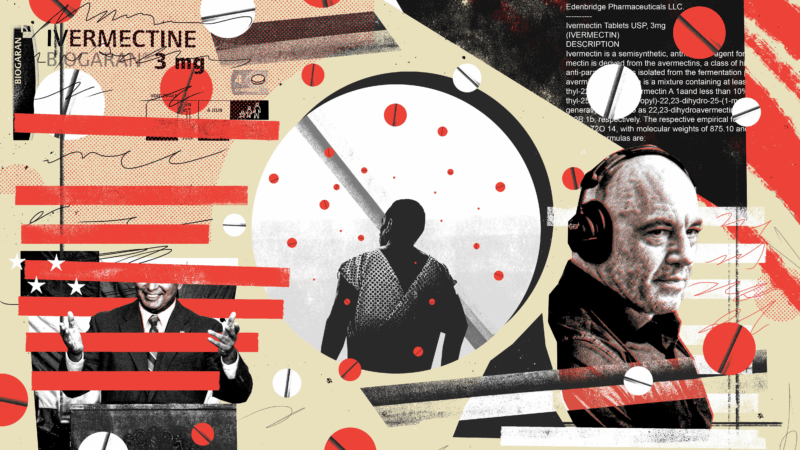
Ivermectin is making a post-pandemic comeback, among cancer patients
The anti-parasitic drug became a household name during the COVID-19 pandemic, and it is now being embraced as an alternative treatment for cancer. It is as politically polarizing as ever.
