
Strange Rebuffs DOJ Again
In the latest of a growing collection of blunt letters between powerful lawyers sparring over Alabama’s
immigration law, state Attorney General Luther Strange on Friday again rebuffed the U.S. Department of
Justice over access to student information.
Earlier in the week, Assistant Attorney General Thomas Perez, head of the DOJ’s Civil Rights Division,
requested comprehensive enrollment and absence information directly from 39 districts with
relatively high Hispanic populations. But Strange wrote back, “Your letter does not state your legal
authority to demand the information or to compel its production. If you have such legal authority,
please provide it to me by noon on Friday.”
What Perez provided by that high noon was a letter that said, in part, “The Civil Rights Division of the
Justice Department is tasked with investigating potential violations of civil rights laws that protect
educational opportunities for schoolchildren … In this regard, [we have] recently received complaints
in Alabama….”
Perez’s letter also pointed out that the Alabama Attorney General does not represent the
administrators or districts the DOJ contacted.
But Perez’s arguments didn’t meet Strange’s bar: Strange’s reply reads, “Thank you for your letter of
today’s date, which I understand to confirm that your Office asserts no legal authority to compel
production of the information that you are seeking.”
Interim schools Superintendent Larry Craven, formerly the state school system’s general counsel, had
already told district-level superintendents not to comply with the DOJ request for information while
the DOJ and the AG’s office dispute the issue. Strange sent a letter to Craven Friday saying Perez had
not shown any authority to demand the “extensive information,” and that Strange hoped his letter
would help Craven give “guidance” to district-level superintendents.
Federal courts have put on hold the part of Alabama’s immigration law that requires schools to report
the number (not the names) of students who can’t provide proof of citizenship. That provision was in
effect for only about two weeks before being blocked by the 11th Circuit Court of Appeals.
Strange’s latest response to Perez also says, “My office is determined to see that our school children
are protected from unlawful activity. Toward that end, would you please share with me any
complaints that your division has recently received in Alabama? Perhaps that would help us to begin a
joint endeavor.”
Both sides in the letter-war are responsible for enforcing the applicable laws, and to do that, they
need information. But there’s overlap between the information required to do that and the
information that would help one side or the other in the ongoing court battle over the immigration law
itself, which Strange is defending from a DOJ challenge.
In 1982, the U.S. Supreme Court ruled in Plyler v. Doe that immigration status cannot be used to deny a
child an education; students cannot legally be penalized for the immigration transgressions of their
parents.
Photo of Thomas Perez by Ryan Reilly, Courtesy of Flickr; Home-page photo of Luther Strange courtesy of the state Attorney Genreral’s website.

Shootings at school and home in British Columbia, Canada, leave 10 dead
A shooting at a school in British Columbia left seven people dead, while two more were found dead at a nearby home, authorities said. A woman who police believe to be the shooter also was killed.
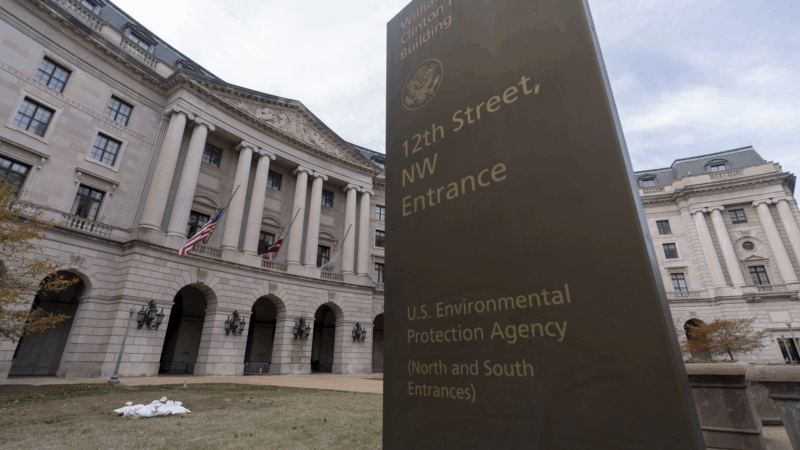
Trump’s EPA plans to end a key climate pollution regulation
The Environmental Protection Agency is eliminating a Clean Air Act finding from 2009 that is the basis for much of the federal government's actions to rein in climate change.

From gifting a hat to tossing them onto the rink, a history of hat tricks in sports
Hat tricks have a rich history in hockey, but it didn't start there. For NPR's Word of the Week, we trace the term's some 150-year-history and why it's particularly special on the hockey rink.

The U.S. claims China is conducting secret nuclear tests. Here’s what that means
The allegations were leveled by U.S. officials late last week. Arms control experts worry that norms against nuclear testing are unraveling.
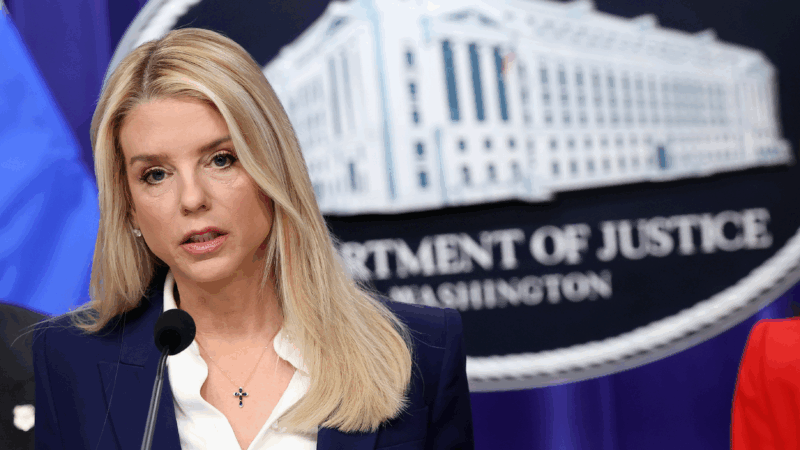
Pam Bondi to face questions from House lawmakers about her helm of the DOJ
The attorney general's appearance before the House Judiciary Committee comes one year into her tenure, a period marked by a striking departure from traditions and norms at the Justice Department.
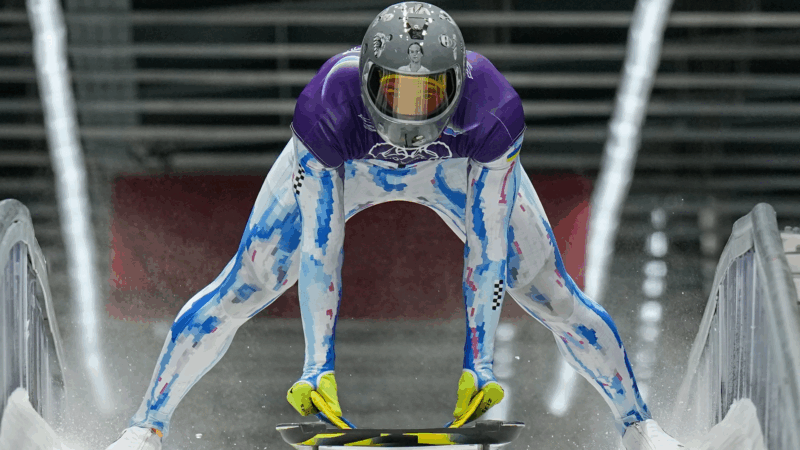
Ukrainian sled racer says he will wear helmet honoring slain soldiers despite Olympic ban
Vladyslav Heraskevych, a skeleton sled racer, says he will wear a helmet showing images of Ukrainian athletes killed defending his country against Russia's full-scale invasion. International Olympic Committee officials say the move would violate rules designed to keep politics out of the Olympics.
