
Considering Faith: Pulpit Politics
“He is the savior of all men. It matters not what color our skin is. What ethnic background is. My friend, Jesus Christ is the savior of the world.”
This sermon probably wouldn’t raise any eyebrows, but that’s not the case for a sermon Greene gave back in September when he declared, “followers of the Lord Jesus Christ cannot vote for Barack Obama or candidates like him.”
With that message, Greene was one of about three dozen pastors across the country participating in Freedom Pulpit Sunday, an initiative of the conservative Alliance Defense Fund. It’s a direct challenge to the Internal Revenue Service ban on partisan political activity by tax-exempt non-profits such as churches.
“I think that I have, in fact I know I have a constitutionally guaranteed right to be able to speak Biblical truth from the pulpit, which is my responsibility, I think, as a pastor. And that’s basically where I hang my hat.”
Reverend Barry Lynn couldn’t disagree more. He’s the head of Americans United for the Separation of Church and State.
“Frankly it seemed like the Alliance Defense Fund was trying to snooker pastors into believing that there was a credible constitutional argument that said they could retain their tax exemption along side endorsing candidates for public office.”
Lynn says the courts and Congress have drawn a line between speaking on issues and actually endorsing or opposing candidates. He says it’s the difference between an education effort and a political action committee. And he calls the notion of pastors being censored bogus. Lynn says when they accept tax-exempt status they accept limitations.
“That’s a small price to pay for the extraordinary privilege of not having to pay
taxes on the considerable income that some churches make or on the modest income that others make.”
But pastors, politics and the public sphere have not been rigidly separated. Black churches served as a powerful force in the civil rights movement. Roman Catholic clergy speak out about the issue of abortion. Robert Baker is the Bishop of the Roman Catholic Dioceses of Birmingham. He says he believes churches should not endorse candidates, but he does want a clearer line.
“I think that the church should have more latitude to oppose positions held by candidates in a way where they don’t have to feel like the consequences are going to jail or losing your tax status.”
So what about this case? A group of pastors, including one in Birmingham, endorse a presidential candidate from the pulpit in September 2008. Religion and Law Professor Robert Tuttle with George Washington University says the law is pretty clear. If the IRS took disciplinary action against any of the churches and it were challenged in court, the IRS would probably win. But if a challenge were upheld, that raises a different set of questions because in the eyes of the IRS, churches, museums, universities…they’re all the same.
“What you’d essentially be saying is that religious organizations can engage in political speech with tax deductible contributions and non-religious organizations cannot. And I do think that raises, under existing law, some pretty serious establishment clause questions.”
Whether it will come to that remains unclear. An IRS spokesman declined to comment beyond saying they are monitoring possible political activity by churches and will take action as appropriate. Robert Tuttle says the IRS might send a warning letter. But he doesn’t expect any church to actually lose its tax-exempt status in this circumstance. Gateway Baptist Church Pastor Sam Greene says he hasn’t heard anything from the IRS yet and isn’t dwelling on it.
“Whenever I stand into the pulpit to deliver a message, no matter what subject
matter that I would head to on that particular day, it’s libel to get feathers ruffled on so many different levels.”
Greene may ruffle feathers. But the consequences for doing that where pulpits and politics meet…? It’ll be a few more Sundays for that answer to come.
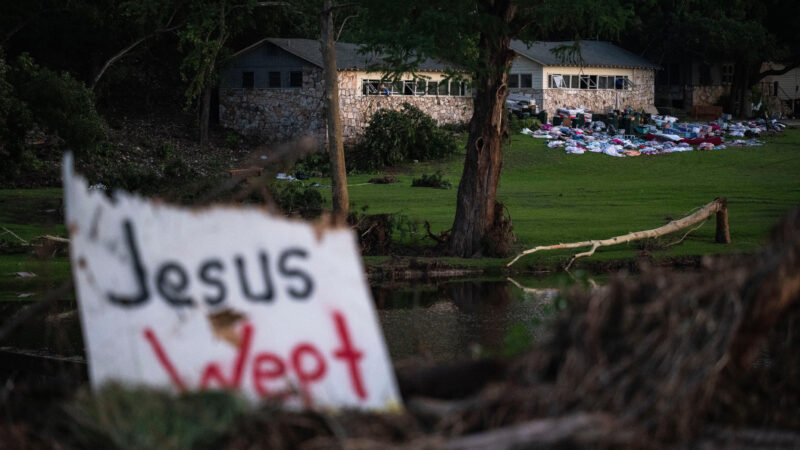
Camp Mystic parents from Alabama seek stronger camp regulations
Sarah Marsh of Birmingham, Ala. was one of 27 Camp Mystic campers and counselors swept to their deaths when floodwaters engulfed cabins at the Texas camp on July 4, 2025. Sarah’s parents are urging lawmakers in Alabama and elsewhere to tighten regulations.
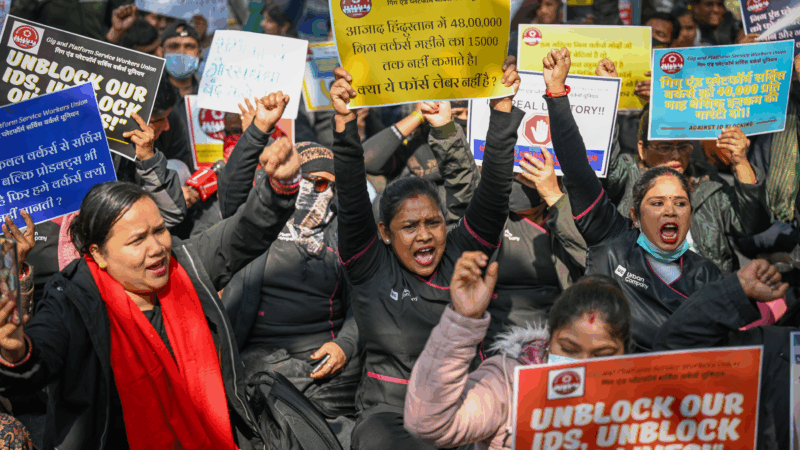
Court rebuffs plea from domestic workers for better pay and respect
They're often paid low wages and lack job protections. A petition to the country's supreme court to support their demands did not see success — and they are protesting.

Spy agency says Kim Jong Un’s daughter is close to be North Korea’s future leader
Seoul's assessment comes as North Korea is preparing to hold its biggest political conference later this month, where Kim is expected to outline his major policy goals for the next five years.
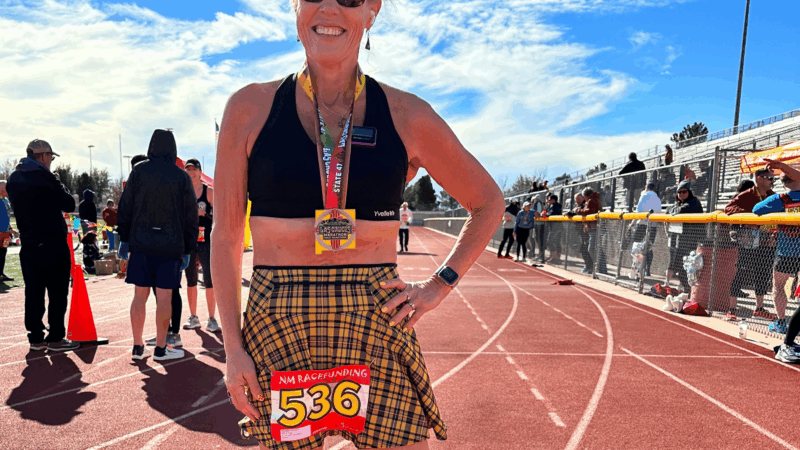
Using GLP-1s to maintain a normal weight? There are benefits and risks
Drugs like Zepbound and Wegovy are intended for people who are overweight. Some patients are using them after bariatric surgery to keep pounds from creeping back. Others may just want to lose a few pounds.

Jordan Stolz opens his bid for 4 golds by winning the 1,000 meters in speedskating
Stolz received his gold for winning the men's 1,000 meters at the Milan Cortina Games in an Olympic-record time thanks to a blistering closing stretch. Now Stolz will hope to add to his collection of trophies.
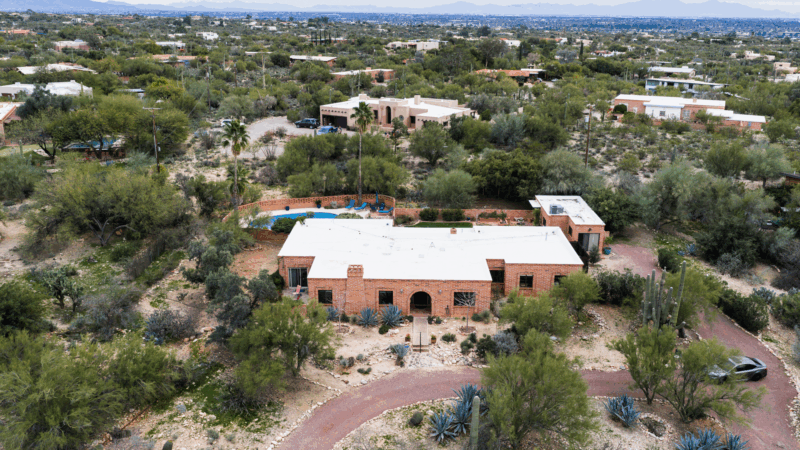
How the FBI might have gotten inaccessible camera footage from Nancy Guthrie’s house
Last week, law enforcement said video footage from Nancy Guthrie's doorbell camera was overwritten. But the FBI has since released footage as Guthrie still has not been found.
