
Yes, introverts and extroverts can be good friends. Here’s how
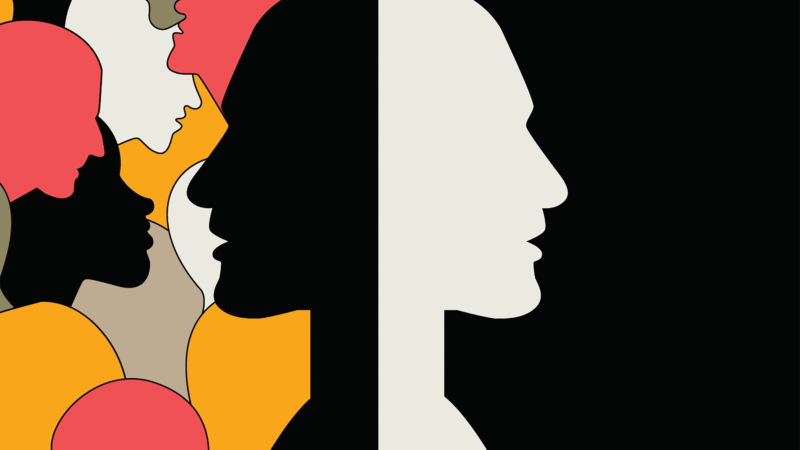
Whenever I rendezvous with an extroverted friend, I feel a pang of anxiety as an introvert.
Will I have space to be my slow, quiet self? Will I have trouble keeping up with their chatter?
Usually the hang is glorious. But sometimes, the energy is off.
I’ve never confronted my extroverted friends about this. So it was validating to hear from Jennifer Kahnweiler, author of The Introverted Leader, that I wasn’t alone.
Kahnweiler says extroverts and introverts move through the world differently — and friendships can suffer when those differences clash.
The key, she says, is to speak up before the resentments pile up. “If we don’t talk about these disconnects, they don’t get better,” she says.
Kahnweiler, who trains leaders, teams and organizations on how to help introverts thrive in an extroverted world, shares tips on how both personalities can get along.
Don’t pigeonhole your friend
Introversion and extroversion are on “opposite ends of a continuum” and not a binary, says William Chopik, a social-personality psychologist at Michigan State University. “People mostly fall somewhere in between those two extremes.”
Introverts are quieter, more introspective, deliberate, really into alone time. Extroverts are more talkative, outgoing, energetic, and very into socializing.
Where you fall on the spectrum isn’t static. For example, people tend to get a little more introverted as they get older, says Chopik, because of shifts in motivation, energy and lifestyle.
Context matters too. Speaking for myself, if I’ve starved myself of enough social contact, sometimes I can be the life of the party.
For this reason, try not to pigeonhole your friend as “just an introvert” or “just an extrovert.” Instead, use these concepts as “pairs of glasses you could look through,” Kahnweiler says.
Don’t take behaviors personally
If your friend is exhibiting a behavior that’s bugging you, consider whether it might be due to a personality difference, Kahnweiler says. Then show a little grace.
Kahnweiler shares the story of an extroverted woman trying to be friendly with an introverted coworker. When she asked about her coworker’s daughter getting married, the coworker shut down.
Later, she learned that her coworker thought she was being rude. They didn’t know each other well enough for such private questions. The woman didn’t take it personally, and today they’re friends.
Say what you need. Your friends aren’t mind readers.
Kahnweiler has heard many complaints from both sides about the other.
Extroverts grumble that introverts move and talk slowly and pause a lot, don’t show a lot of facial expressions, and don’t give enough social cues.
Introverts gripe that extroverts can’t be alone, talk too much, hate silence, interrupt and are poor listeners.
If you have these issues with your friend, talk about it, Kahnweiler says. Introverts might say, “There are times when I want to talk, but I don’t always feel like there’s space for me to get my ideas out there. How about if you pause more? And on my part, I will be more forthcoming with sharing because I want to have more of an even interchange and because I love you dearly.”
Invent some hacks
Come up with a code phrase or gesture to remind you what you both need.
While hanging out with an introverted friend, Kahnweiler, who is an extrovert, sometimes holds her hands underneath the table. It’s her signal to “shut your mouth,” she says.
She also has a bracelet she wears to remind herself to listen and not just rush to fill the silence. “It’s my little anchor,” she says.
Appreciate what’s unique about your friend
Consider the introverts and extroverts in your social circle. How do they improve your life?
Thinking about her introverted friends, Kahnweiler got emotional. “You guys model how to be alone with yourself, and then I started becoming more comfortable with that,” she says.
As for me, if it weren’t for my extroverted sweeties, my cats would get sick of me.
So tell your friends what you love about their unique characteristics. “I wonder what it would be like if we told each other that more,” she says. “How good would that feel?”
The digital story was edited by Malaka Gharib, with art direction by Beck Harlan. We’d love to hear from you. Leave us a voicemail at 202-216-9823, or email us at [email protected].
Listen to Life Kit on Apple Podcasts and Spotify, and sign up for our newsletter. Follow us on Instagram: @nprlifekit.

Bill making the Public Service Commission an appointed board is dead for the session
Usually when discussing legislative action, the focus is on what's moving forward. But plenty of bills in a legislature stall or even die. Leaders in the Alabama legislature say a bill involving the Public Service Commission is dead for the session. We get details on that from Todd Stacy, host of Capitol Journal on Alabama Public Television.
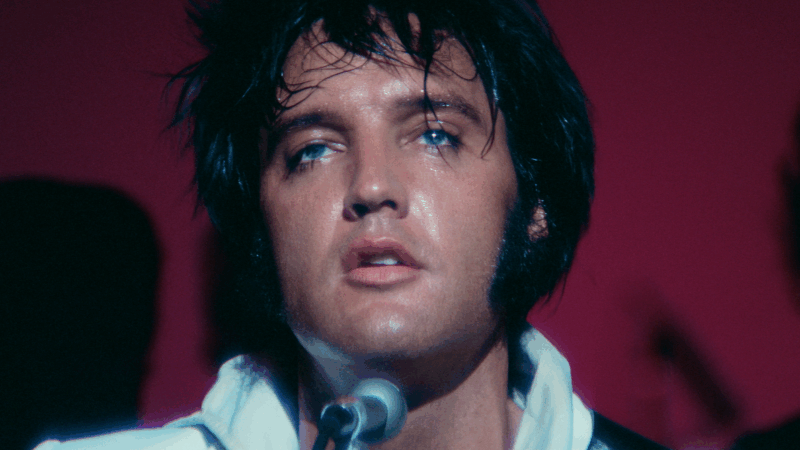
Baz Luhrmann will make you fall in love with Elvis Presley
The new movie is made up of footage originally shot in the early 1970s, which Luhrmann found in storage in a Kansas salt mine.
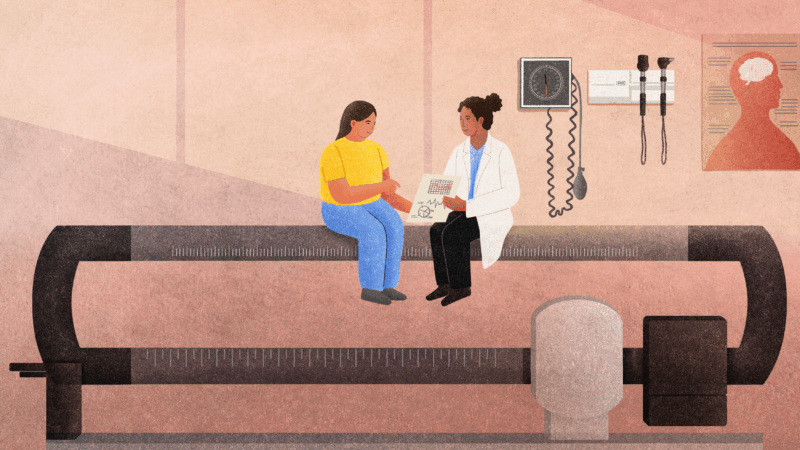
My doctor keeps focusing on my weight. What other health metrics matter more?
Our Real Talk with a Doc columnist explains how to push back if your doctor's obsessed with weight loss. And what other health metrics matter more instead.

Forget the State of the Union. What’s the state of your quiz score?
What's the state of your union, quiz-wise? Find out!

As the U.S. celebrates its 250th birthday, many Latinos question whether they belong
Many U.S.-born Latinos feel afraid and anxious amid the political rhetoric. Still, others wouldn't miss celebrating their country
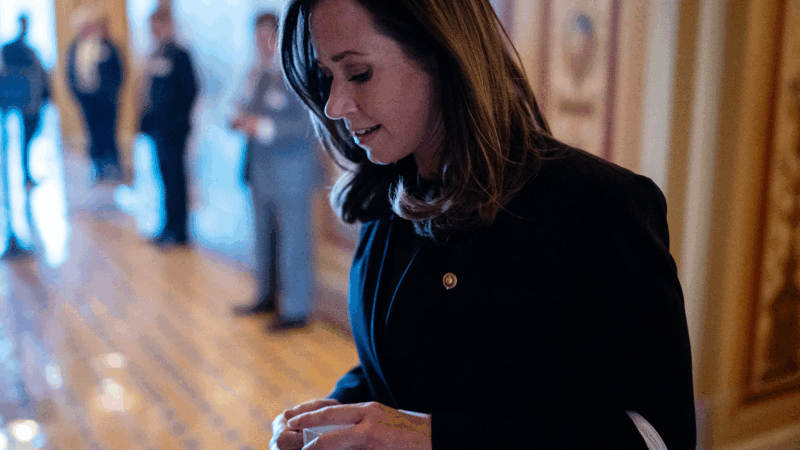
SNL mocked her as a ‘scary mom.’ In the Senate, Katie Britt is an emerging dealmaker
Sen. Katie Britt, Republican of Alabama, is a budding bipartisan dealmaker. Her latest assignment: helping negotiate changes to immigration enforcement tactics.
