
With U.S. forces in position, Trump mulls his options for Iran
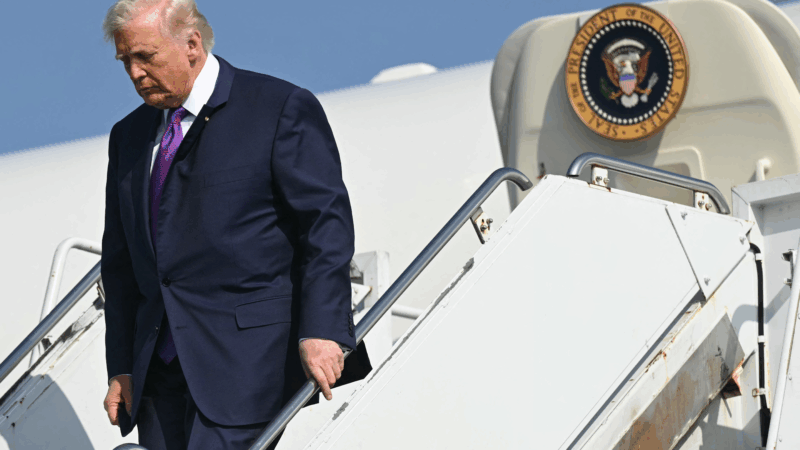
President Trump says he hasn’t decided whether he’ll launch a military strike on Iran. But he now has a wide range of options.
An American military buildup over the past month means the U.S. now has an expansive naval and air presence across the Middle East. The size of the U.S. force suggests the military would be capable of carrying out a bombing campaign that could last weeks or even longer.
The president has also been intentionally vague about his ultimate goal with Iran. Some days he sounds like he would be satisfied with a negotiated deal on the country’s nuclear program. Other times, his emphasis seems to be on ousting Iran’s theocratic leaders, who have ruled for nearly a half-century.
Here’s a look at some of the president’s possible choices.
Back to the negotiating table
Trump still says his preference is for a deal, and Iran says it favors additional talks. Iranian negotiators emerged with a positive spin following the latest round of discussions Tuesday in Geneva. They said the two sides agreed on a set of principles and now needed to formulate a possible agreement.
Iran’s foreign minister, Abbas Araghchi, said Friday that diplomacy was the only way forward.
“There is no military solution for Iran’s nuclear program,” he told the MS NOW program Morning Joe. “The only solution is diplomacy. This is why the U.S. is back at the table of negotiation and is seeking a deal. And we are prepared for that.”
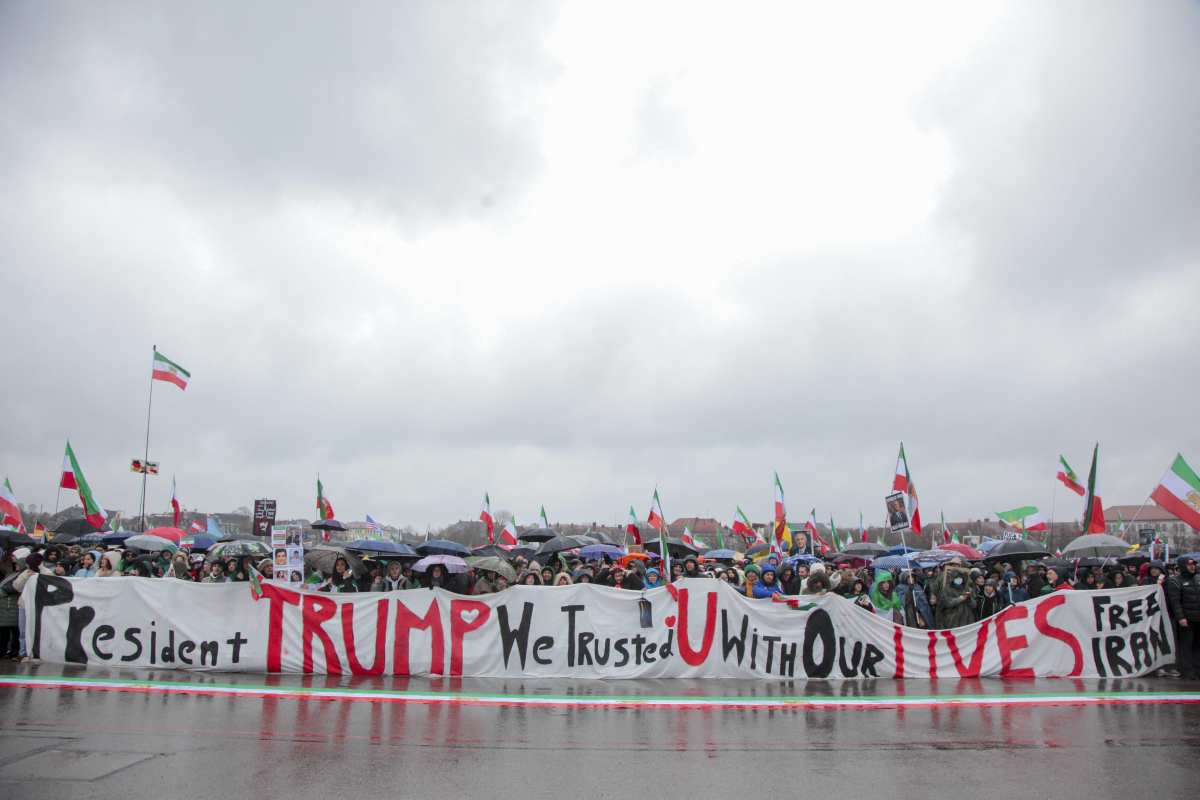
However, the two sides still appear far apart. Iran appears to be talking about limited concessions. Trump wants Iran to effectively give up its nuclear program. He also wants Iran to dramatically scale back its missile program — its most critical defense system — and to stop supporting militias in the region. For years, Iran has refused to negotiate on such issues outside its nuclear program.
Right now, no additional talks are planned. And if Trump doesn’t get a deal he likes, he may feel compelled to act militarily.
“Just the fact that you have so much firepower creates a momentum of its own,” said Susan Ziadeh, a former U.S. ambassador to Qatar who’s now at the Center for Strategic and International Studies in Washington, D.C. “And sometimes that momentum is a little hard to just put the brakes on and say, ‘That’s it. We’re not doing anything.'”
A limited military option
There has been media speculation that Trump may hit Iran with a limited strike and then pause the attack to give Iran a chance to return to the negotiating table — or face a heavier onslaught.
Trump was asked about this scenario Friday and responded, “I guess I can say I am considering.”
The president has also said that he expects to make a decision on Iran in 10 days to two weeks, without specifying what that choice might be.
Trump has been far more willing to call on the military in his second term. He has bombed seven countries in the past year, including strikes against Iran’s nuclear facilities last June, part of a joint campaign with Israel.
Most of these attacks have been brief one-and-done operations that the president can launch — and shut down very quickly.
A possible push for regime change
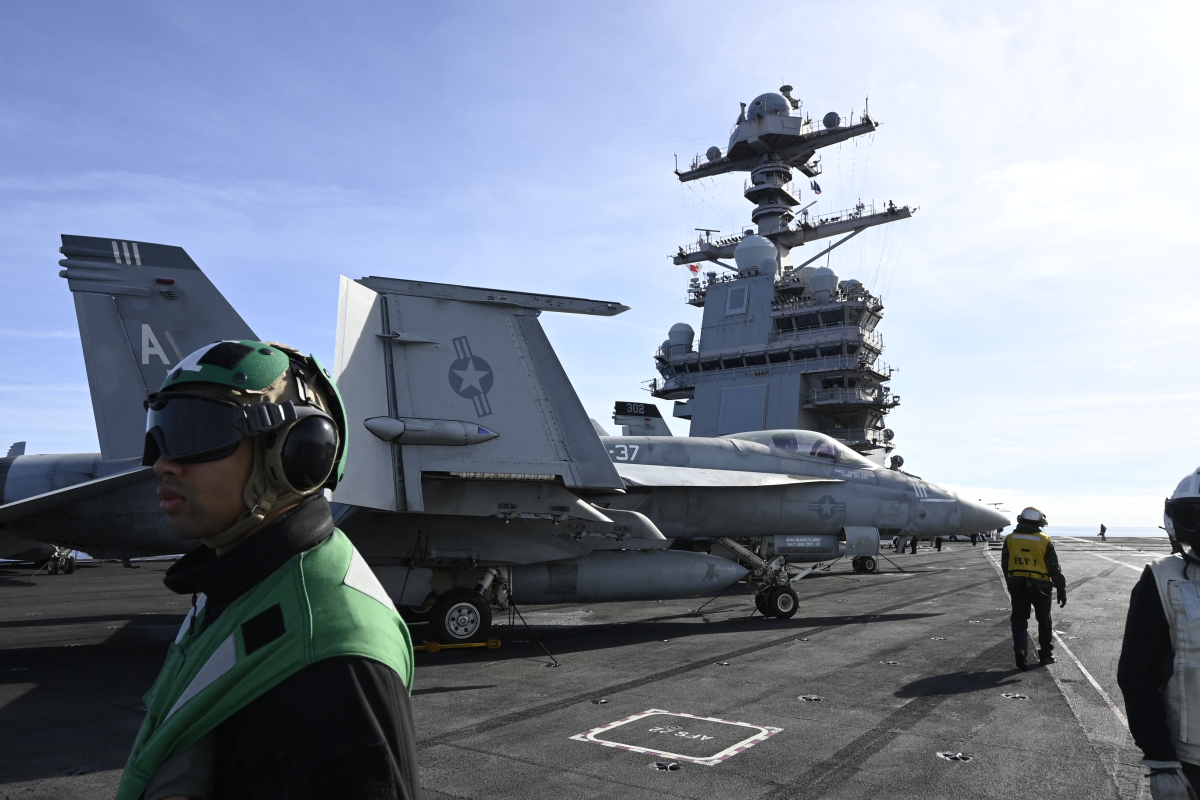
The president could opt for a much larger operation with all the U.S. military hardware now amassed in the Middle East. The buildup includes two aircraft carriers: one in the Mediterranean, to the west of Iran, and the other in the Arabian Sea, to the south of Iran.
They are among more than a dozen U.S. warships in the region, according to military analysts tracking the U.S. forces. The U.S. also has at least a couple of hundred warplanes in the Middle East. Each aircraft carrier has around 75 warplanes, and another 50 fighter jets were recently flown to the region, according to flight-tracking groups.
Trump has expressed support on several occasions for regime change in Iran. That option would almost certainly include a large-scale military operation, and there would be no guarantee of success.
Iran has been ruled for the past 37 years by Supreme Leader Ali Khamenei, who is now 86. While he makes major policy decisions, Iran has multiple power centers and a range of security forces that include the Islamic Revolutionary Guard Corps, a force dedicated to preserving Islamic rule.
As a result, ousting Khamenei or even several top leaders might not produce a major change in the way Iran is ruled.
In addition, the U.S. force is built on fighter jets that would strike from the sky and Navy ships that would fire long distance from the seas. The U.S. does not have large numbers of ground troops anywhere near Iran.
With no prospect of a ground war, Iran’s leaders seem to believe they could survive a U.S. bombing campaign, said Alex Vatanka, an Iran expert at the Middle East Institute in Washington.
“The boots-on-the-ground option is not being taken very seriously in Tehran, which means the U.S. can hurt them badly, but it’s not going to be sufficient and last long enough to end the regime’s ability to stay in power,” said Vatanka. “This means you get hit hard, you’re bloodied, but you will rise again and you move on.”
Trump has not sought to make a case for war
American presidents have traditionally made a full-court press when attempting to build support for a U.S. war.
However, Trump has so far not made a major speech to the American people about the prospect of a new Middle East war. He will have an opportunity to do so in his State of the Union address on Tuesday, but it’s not clear that he will.
The Trump administration has not sought formal support from Congress, though some Republicans are expressing support individually. The administration has also declined to make its case at the United Nations. And aside from Israel, the president hasn’t sought to bring in allies of the U.S. or build an international military coalition.
US military airlifts small reactor as Trump pushes to quickly deploy nuclear power
The Pentagon and the Energy Department have airlifted a small nuclear reactor from California to Utah, demonstrating what they say is potential for the U.S. to quickly deploy nuclear power for military and civilian use.

How Nazgul the wolfdog made his run for Winter Olympic glory in Italy
Nazgul isn't talking, but his owners come clean about how he got loose, got famous, and how they feel now
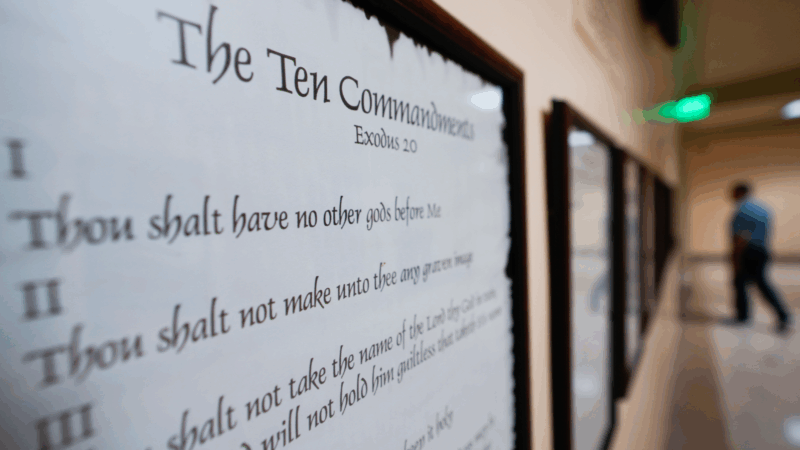
Court clears way for Louisiana law requiring Ten Commandments in classrooms to take effect
The 5th U.S. Circuit Court of Appeals has cleared the way for a Louisiana law requiring displays of the Ten Commandments in public classrooms to take effect.
From cubicles to kitchens: How empty offices are becoming homes
Many U.S. cities have too many office buildings and not enough homes. Developers are now converting some old offices into apartments and condos, but it's going slowly.
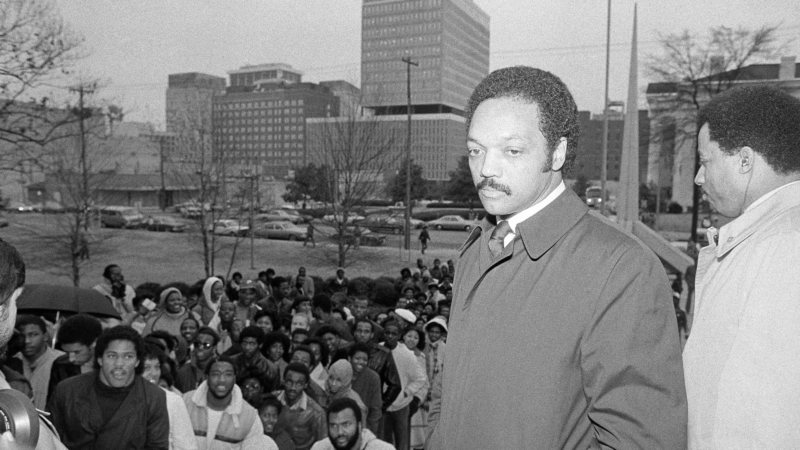
Opinion: The enduring dignity of Jesse Jackson
Rev. Jesse Jackson died this week at age 84. NPR's Scott Simon remembers covering Jackson's 1984 presidential campaign in Mississippi.

A huge study finds a link between cannabis use in teens and psychosis later
Researchers followed more than 400,000 teens until they were adults. It found that those who used marijuana were more likely to develop serious mental illness, as well as depression and anxiety.
