
Why Trump is focusing on business deals on his Middle East trip
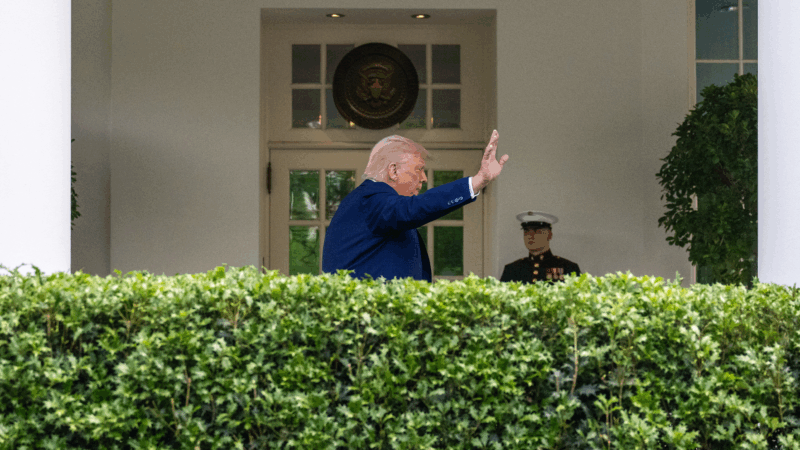
President Trump leaves Monday for the first major foreign trip of his second term, focusing on business deals in Saudi Arabia, Qatar and the United Arab Emirates as his administration struggles to broker an end to the war in Gaza.
Trump pledged to bring peace to the region as he ran for a second term, but that is proving to be elusive. On this trip, he will showcase a promise by Saudi Arabia to invest $600 billion in the United States over the next four years and pledges from the UAE to spend $1.4 trillion over 10 years.
“The Saudis, the Emiratis and Qataris are going to fall all over themselves over who can outdo themselves to welcome the president,” said Steven Cook, a senior fellow for the Middle East at the Council on Foreign Relations. “And then they will outdo themselves over the number of deals that they can announce as the president is there.”
In many ways, the trip is a replay of the inaugural foreign trip of Trump’s first term. The Saudis welcomed Trump with a lavish ceremony and announcements of billions of dollars in investments.

Cook said the Gulf leaders understand what Trump wants — and have an interest in giving it to him — because there are other things they don’t want Trump to ask about.
“It’s good for them because when he comes to them and says, ‘We want your help doing something on Gaza,’ and they’re not inclined to do it, they will be insulated from the criticism that would likely come if they just didn’t do anything,” Cook said.
Back in 2017, Trump sought to shore up relationships in the region after implementing a travel ban on some Muslim-majority countries — and did some business with autocratic leaders seeking global credibility.

The White House said this trip will highlight strengthening ties in the region.
“President Trump will return to reemphasize his continued vision for a proud, prosperous and successful Middle East, where the United States and Middle Eastern nations are in cooperative relationships and where extremism is defeated in place of commerce and cultural exchanges,” press secretary Karoline Leavitt told reporters on Friday.
But the unrest and uncertainty in the region have complicated the messaging, said Karen Young, a political economist focusing on the Gulf at the Middle East Institute.
“A lot of the rhetoric is the same, but the world has changed,” she said.
Trump’s biggest policy goals are currently beyond reach
Trump has some big goals in the region for his second term: end fighting in Gaza, stop Iran‘s advances toward becoming a nuclear power and persuade Saudi Arabia to normalize relations with Israel by joining what’s known as the Abraham Accords.
But Saudi Arabia — which has long called for an independent Palestinian state — is unlikely to be interested in those accords right now because of the war in Gaza, said Dennis Ross, who worked on Middle East issues for both the George H.W. Bush and Clinton administrations.
“Mohammed bin Salman [Saudi Arabia’s crown prince] is very likely to say that so sours the atmosphere, that that’s not something that he can be engaging in at this time,” said Ross, who’s now at the Washington Institute for Near East Policy.

Any discussions about the accords are likely to happen behind closed doors, Ross said.
It also makes the business deals more important for Trump.
“Right now, the president doesn’t have a lot of successes to point to,” Ross said.” So I think he’s going to want to play up the trip in terms of showing, ‘Look what I’m producing for the United States.'”
What happened on Trump’s first trip to Riyadh
During Trump’s first trip to Riyadh, the Saudi capital, in 2017, nearly $110 billion in arms deals were announced, and the administration said that other investments could boost that total to as much as $350 billion.
Since then, the State Department said, the U.S. government has “implemented” $30 billion in foreign military “cases” with Saudi Arabia. Put another way: The Riyadh announcement was the easy part.
“There are a lot of steps in any arms sales process,” said John Parachini, a senior defense researcher at the Rand Corp. The process involves complex negotiations, multiple federal agencies, Congress, arms manufacturers and the customer countries.
But that complexity wasn’t part of how Trump sold it.
“That’s the style of this particular president. He’s going to send a strong signal that he’s supporting American business, but these things are really complicated and can take years,” Parachini said.

Why the Chicago Bears could be moving to Indiana
While Illinois is trying to keep the team in Chicago's suburbs, Indiana lawmakers are offering a plan to finance a new stadium
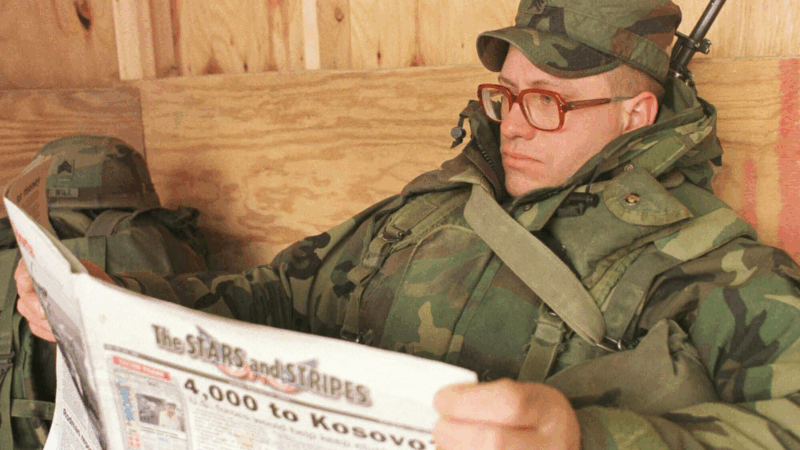
Pentagon tightens controls over Stars and Stripes after calling it “woke”
The new rules for the independent military newspaper are the Defense Department's latest effort to put extraordinary restrictions on journalists covering the agency.
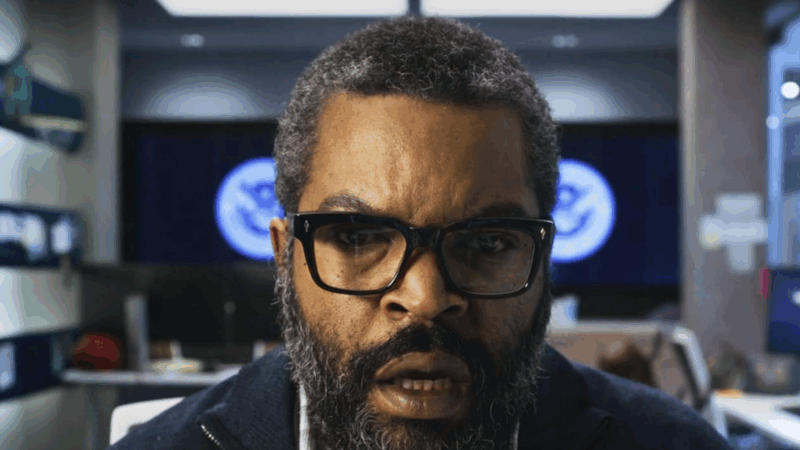
‘War of the Worlds’ remake sinks to the bottom at this year’s Razzie Awards
The surveillance industry version of HG Wells' 1898 classic sci-fi novel stars Ice Cube, and won accolades for worst picture, actor, director and more.

Russian strike on Kyiv region kills 4 and wounds 15, with peace talks stalled
The strikes comes after the United States paused ceasefire talks between Russia and Ukraine due to the war with Iran.
As the risk of measles grows, why are parents so divided on vaccines?
In South Carolina, some parents embrace vaccines, others opt out. Why do people make such different choices? A mix of politics, distrust and misinformation is pushing neighbors apart.
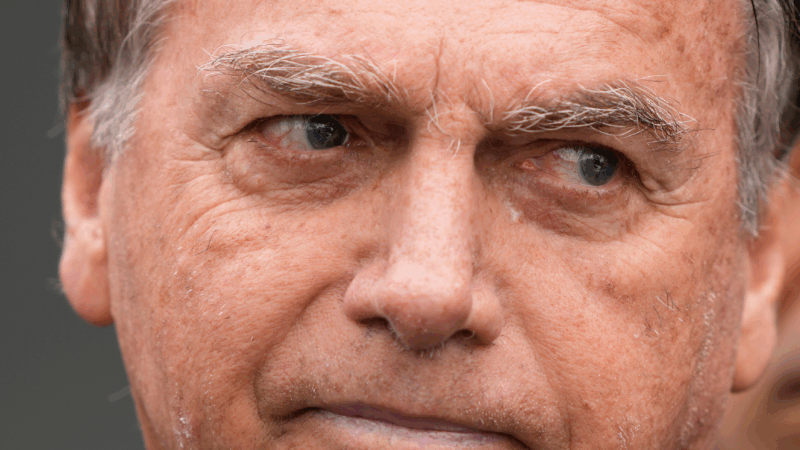
Brazil’s ex-President Bolsonaro is in intensive care with pneumonia, hospital says
One of Bolsonaro's doctor's described the former Brazilian president's medical condition as "serious."
