
Why do airline computer systems fail? What the industry can learn from meltdowns
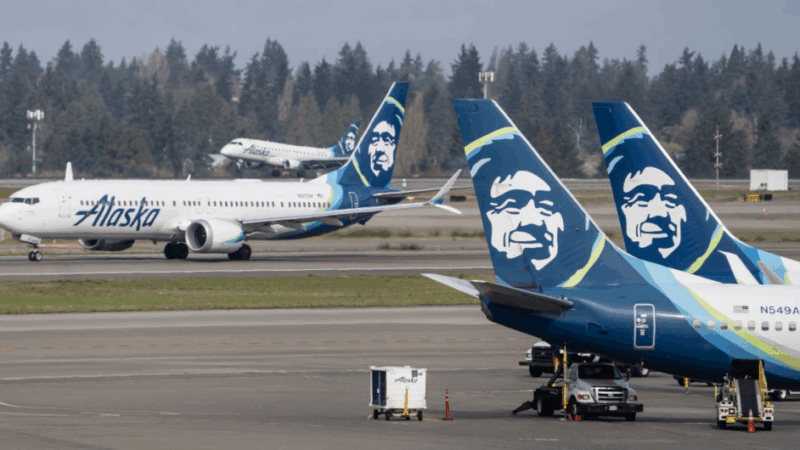
Tony Scott had already boarded his flight from Seattle to Dallas back in July when his problems started.
It was about 8 p.m. on a Sunday night when the flight crew asked the passengers to get off the plane. By the next day, Alaska Airlines would cancel hundreds of flights, many of them out of its hub at the Seattle-Tacoma International Airport.
“It was chaos,” Scott remembers. “The baggage people were clearly overwhelmed. The customer service people were overwhelmed. Every aspect of it was, you know, just a disaster and left people with no information, the wrong information.”
Alaska joined the long list of airlines forced to ground their planes because of IT outages in recent years.
Millions of Americans will fly during the holidays. Every one of those flights depends on complex computer systems to manage the crew, assign the seats, and more. Occasionally, those systems fail — and when they do, they can ground an entire airline.
Every incident is a bit different, from the faulty software update that grounded thousands of Delta Air Lines flights last year, to the holiday meltdown that brought Southwest Airlines to its knees three years ago. But industry experts say there are some conclusions to be drawn about why these systems fail, and what airlines can learn from past disruptions.
“It’s the backbone of this ecosystem that is extremely fragile,” says Eash Sundaram, the former chief information officer of JetBlue Airways.
The industry is unusual, he says, because there is a lack of commercially available software tools for much of what airlines do. Airlines either have to build their own systems, or cobble them together from multiple vendors.
“The challenge is when one falls apart, it’s cascading pretty quick,” says Sundaram, who now runs the venture capital fund Utpata Ventures. “All it takes is 100 flights to be cancelled (to) completely shut down the entire network.”
Alaska Airlines blamed the IT outage in July on the “unexpected failure” of a critical piece of hardware at one of its data centers. (The company suffered another “significant” outage in October that forced it to cancel more than 100 flights.)
After the first Alaska outage, Tony Scott wound up sleeping on the floor of the Seattle airport. But Scott is not simply a disgruntled traveler; he’s also a veteran of the tech industry, having served as chief information officer both at Microsoft and in the federal government under President Obama.
Scott, who is now the CEO of a cybersecurity company called Intrusion, has some theories about why airline computer systems are prone to major IT meltdowns like the one he experienced firsthand.
“It’s just a spider’s web of technology that’s been used to automate everything that they do, all architected at different times from different people,” Scott says. “If you were to sit down and do it from scratch, you would never, ever design it the way that it is.”
Once an airline’s network goes down, it’s not easy to get it up and running again. That’s a lesson Southwest Airlines learned the hard way three years ago, when a major winter storm slammed much of the country. While other airlines managed to get their operations going again within days, Southwest did not.
“We were highly impacted in a couple key cities that were very crucial to our crew network,” says Lauren Woods, the chief information officer at Southwest. She had just been named to that job, and hadn’t officially started yet in December of 2022.
Since then, Woods tells NPR, the airline has made big investments in its technology, including the system that manages its flight crews.
“We will see problems much earlier in the process, especially around our crew network, which is why we’ve been able since then to weather actually even bigger disruptions,” Woods says. “Those capabilities and those investments we made really help us be a much better airline going forward.”
Southwest is not immune to tech problems. But now the airline is now able to respond quickly and proactively, she adds.
“We may have a tech outage, but you care less about it if it’s a five minute recovery, and I have many of those, versus I had one major tech outage and it took me down for a day,” Woods says.
So, information technology outages will happen again. It’s just a question of when. And the test for airlines is how quickly they can get their planes — and their customers — back in the air.
Bill making the Public Service Commission an appointed board is dead for the session
Usually when discussing legislative action, the focus is on what's moving forward. But plenty of bills in a legislature stall or even die. Leaders in the Alabama legislature say a bill involving the Public Service Commission is dead for the session. We get details on that from Todd Stacy, host of Capitol Journal on Alabama Public Television.
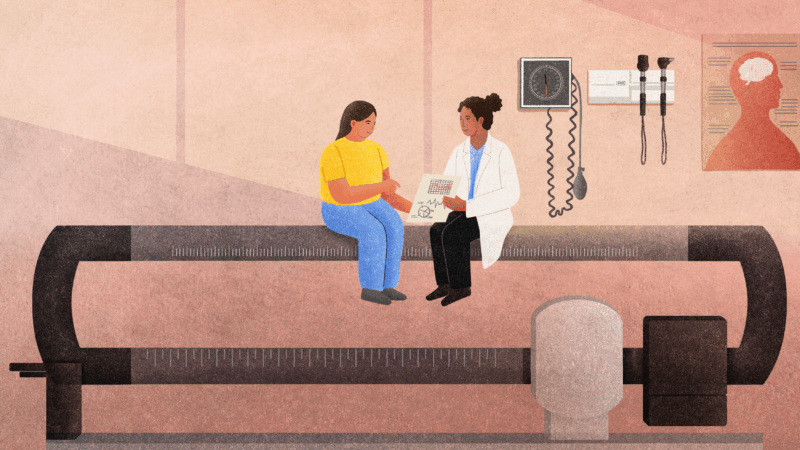
My doctor keeps focusing on my weight. What other health metrics matter more?
Our Real Talk with a Doc columnist explains how to push back if your doctor's obsessed with weight loss. And what other health metrics matter more instead.

Baz Luhrmann will make you fall in love with Elvis Presley
The new movie is made up of footage originally shot in the early 1970s, which Luhrmann found in storage in a Kansas salt mine.

Forget the State of the Union. What’s the state of your quiz score?
What's the state of your union, quiz-wise? Find out!

As the U.S. celebrates its 250th birthday, many Latinos question whether they belong
Many U.S.-born Latinos feel afraid and anxious amid the political rhetoric. Still, others wouldn't miss celebrating their country
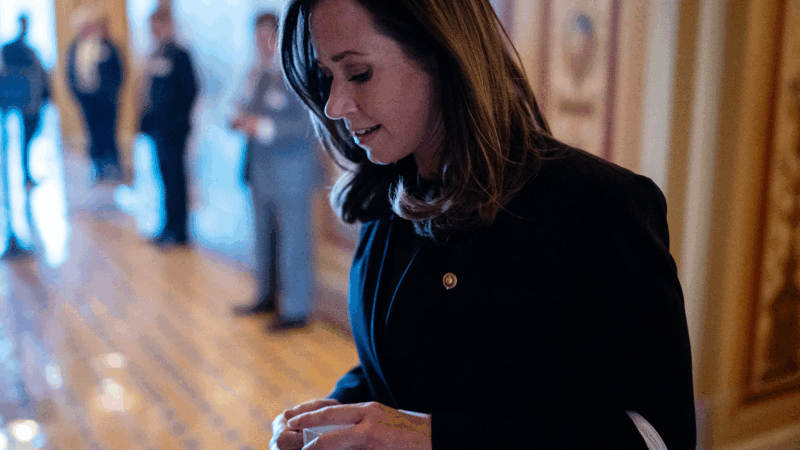
SNL mocked her as a ‘scary mom.’ In the Senate, Katie Britt is an emerging dealmaker
Sen. Katie Britt, Republican of Alabama, is a budding bipartisan dealmaker. Her latest assignment: helping negotiate changes to immigration enforcement tactics.
