
Whistleblower says Trump officials copied millions of Social Security numbers
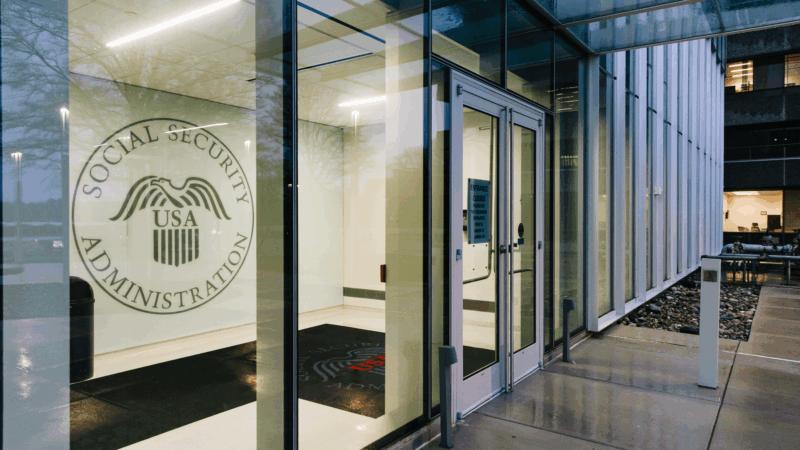
A whistleblower says that a former senior DOGE official now at the Social Security Administration copied the Social Security numbers, names and birthdays of over 300 million Americans to a private server. That server is accessible by other former DOGE employees at the SSA and is lacking adequate security, potentially putting an enormous amount of private information at risk to being revealed and possibly used by identity thieves.
In a written complaint filed through the nonprofit Government Accountability Project, Charles Borges, the chief data officer at the Social Security Administration, claims that senior Trump appointees at the SSA who were recently part of the Department of Government Efficiency (DOGE) team made the copy in a way that “constitute[s] violations of laws, rules, and regulations, abuse of authority, gross mismanagement, and creation of a substantial and specific threat to public health and safety.”
Borges says that career cybersecurity officials within the SSA described the decision to copy the data as “very high risk” and even discussed the possibility of having to reissue Social Security numbers to millions of Americans in the event the cloud server was breached.
The server appears to have been set up inside the SSA’s existing cloud infrastructure, which operates on Amazon Web Services. However, according to the complaint, the copied data had far fewer security measures in place to protect it than the SSA’s standard protocols typically require.
According to Andrea Meza, an attorney with the Government Accountability Project who represents Borges, the cloud environment appeared to be set up for DOGE-affiliated Social Security staffers, but it “lacks independent security, monitoring and oversight.” She said Borges “has serious concerns about the vulnerability it causes for nearly every American’s data.”
In an email statement to NPR, the Social Security Administration said that its data remains secure. “The data referenced in the complaint is stored in a long-standing environment used by SSA and walled off from the internet,” the statement reads in part. “We are not aware of any compromise to this environment and remain dedicated to protecting sensitive personal data.”
Copied data
Borges’ complaint is the latest in a slew of instances in which DOGE and Trump officials are accused of disregarding privacy protections around sensitive personal information. The Trump administration has moved aggressively to consolidate personal information about Americans held by various federal and state agencies, sometimes citing potential efficiency gains, efforts to combat fraud and a desire to use the information for immigration enforcement, but other times offering inconsistent rationales.
In April, NPR reported about a whistleblower who says DOGE officials took sensitive data from the National Labor Relations Board and tried to cover their tracks. DOGE officials at the SSA also appear to have used personal data to advance unsupported claims about voter fraud.
The latest request came in June just days after a ruling by the U.S. Supreme Court granted DOGE team members temporary access to the SSA’s most sensitive data. In a 6-3 ruling by the conservative justices, the court lifted a temporary restraining order restricting DOGE officials’ access to Americans’ Social Security data.
Internal warnings about risks
According to Borges’ complaint, on June 10, days after the Supreme Court ruling, a former DOGE employee at the SSA named John Solly requested that the agency make a copy of its Numerical Identification System (NUMIDENT) database to a private cloud that would be located within the SSA’s Amazon Web Services Agency cloud infrastructure.
The NUMIDENT database is the master file for all information submitted in applications for Social Security cards. The database includes applicant names, place and date of birth, citizenship, race and ethnicity, and parents’ names — along with the Social Security numbers.
The request effectively created a copy of the database where the former DOGE officials would have unfettered access, according to the complaint.
Career cybersecurity officials within the SSA said the move could be risky. “Unauthorized access to the NUMIDENT would be considered catastrophic impact to SSA beneficiaries and SSA programs,” according to an internal SSA “Risk Assessment Form” from June 16, seen by NPR. The group recommended that “production data should not be used.”
Nevertheless, it appears that the data was transferred in late June after a request by Solly was signed off on by Michael Russo, another DOGE-affiliated official. In July, Aram Moghaddassi, the SSA’s chief information officer, who was also previously with DOGE, authorized “Provisional Authorization to Operate,” effectively allowing officials to work with the copy of the data.
“I have determined the business need is higher than the security risk associated with this implementation and I accept all risks associated with this implementation and operation,” reads Moghaddassi’s decision, seen by NPR.
In its statement, the Social Security Administration said that the copy of the data has remained inside its secure environment. “High-level career SSA officials have administrative access to this system with oversight by SSA’s Information Security team,” it said.
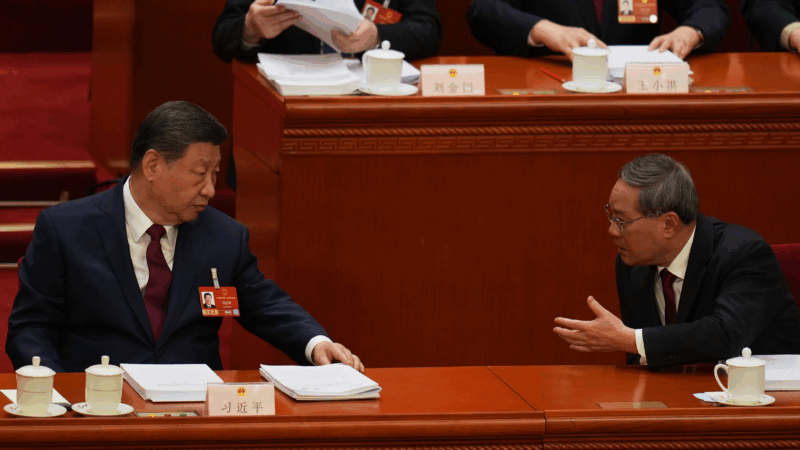
China sets a lower economic growth target of 4.5% to 5% for 2026 as challenges loom
China has signaled continuity rather than change for its economy, setting a slightly lower target for growth this year in the midst of a property slump and other headwinds at home and growing uncertainty abroad.

Carney says he backs strikes on Iran ‘with some regret’ as world order frays
Canadian Prime Minister Mark Carney says he supports the strikes on Iran "with some regret" as they represent an extreme example of a rupturing world order.
Iranian civilians are now fleeing the relentless bombing for neighboring Turkey
As the U.S. military broadens its strikes in Iran, traumatized Iranians are reaching the border with Turkey.
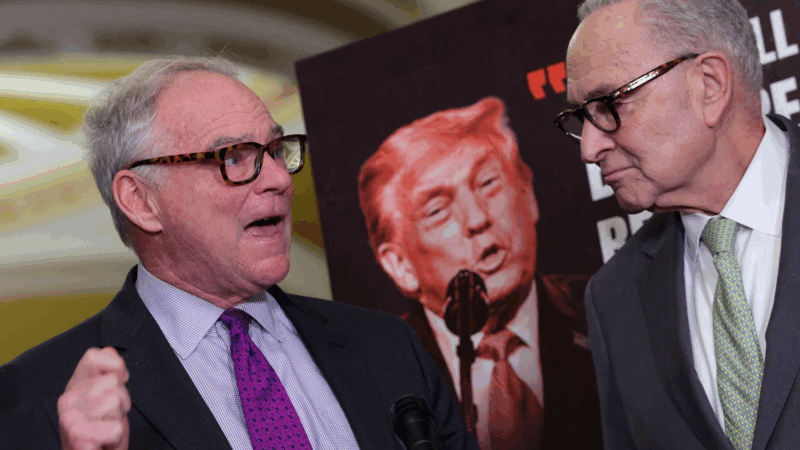
A split Senate votes against measure to constrain Trump’s authorities in Iran
Democrats in the Senate were facing an uphill climb Wednesday in their push to restrain President Trump's ability to wage war against Iran.
WATCH: How traffic dried up in the Strait of Hormuz since the Iran war began
The effective closure of the Strait of Hormuz is "about as wrong as things could go" for global oil markets. Iran achieved it not with a naval blockade, but with cheap drones.
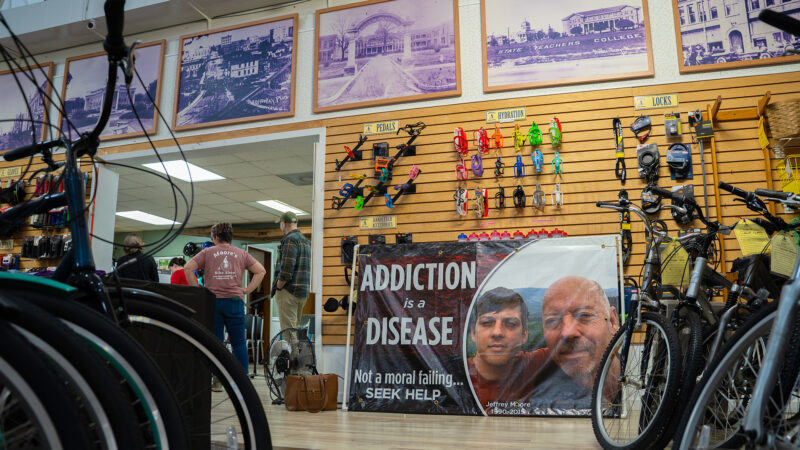
As Mississippi waits to spend opioid settlement funds, children and families suffer
Mississippi will receive more than $400M to fight the opioid epidemic. So far, officials haven't directed it toward programs that support addiction recovery.
