
What’s on the table for the 5 African Presidents meeting Trump at the White House?

LAGOS, Nigeria — The presidents of Senegal, Liberia, Guinea-Bissau, Mauritania, and Gabon are in Washington this week for a three-day mini summit hosted by President Trump — part of what the White House describes as a push to deepen “commercial opportunities” between the U.S. and African nations.
While few details have been released, senior U.S. officials say the talks reflect the Trump administration’s pivot from aid to economic partnerships on the continent. The leaders will join Trump for a White House lunch on Wednesday, followed by closed-door economic meetings through Friday.
Last month, the administration brokered a peace deal between the Democratic Republic of Congo and Rwanda — widely seen as a prelude to a rare earth minerals deal. Analysts say this week’s summit could follow suit, with the U.S. eyeing critical resources like Gabon’s manganese and uranium.
“Trump is transactional — he wants to know what these nations can offer,” said Prof. David Okoye of Nigeria’s Niger Delta University.
The summit also comes amid growing U.S. concern over China’s expanding footprint in Africa — particularly rumors that Beijing is scouting port locations along West Africa’s coast for possible military use. “The U.S. has been watching Chinese interest in places like Gabon, Guinea, and Mauritania very closely,” said Cameron Hudson of the Center for Strategic and International Studies.
China remains Africa’s top trade and investment partner and its military presence on the continent is expanding, as is Russia’s. The U.S. military has significantly reduced its presence or been pushed out of the Sahel, where it had supported counterterrorism missions for nearly two decades. Since 2020, military juntas in Burkina Faso, Mali, and Niger have expelled Western forces — including U.S. troops — and turned instead to Russia for security support.
Alongside China, India, Brazil and South Africa, Russia is a founding member of the BRICS bloc of emerging economies and has been deepening both economic and military ties across Africa.
Still, tensions over aid cuts are likely to hang over the talks. Liberia, a longtime recipient of U.S. foreign assistance, has been hit hard by Trump’s closure of USAID earlier this year. The cuts forced health centers to shut down and created critical shortages in HIV medication and contraceptives. U.S. support previously made up nearly 3% of Liberia’s national income — the highest of any country, according to the Center for Global Development.
Yet ahead of the summit, Liberia’s government sought to downplay any friction, calling the visit a chance to focus on “economic and trade opportunities over charity and aid.”
For others, the meeting is more personal. Guinea-Bissau’s President Umaro Sissoco Embaló — under fire at home for delaying elections — called Trump’s invitation a “diplomatic triumph” and cited shared leadership values.
Observers have raised eyebrows over who wasn’t invited. Nigeria, South Africa and Ghana — three of the region’s largest democracies and longtime U.S. allies — were left out. Some speculate Nigeria’s growing ties with BRICS may be to blame; President Tinubu just returned from the BRICS summit in Brazil.
Ghana, meanwhile, may have ruffled feathers after President John Mahama condemned Trump’s Oval Office ambush of South Africa’s leader in May as “an insult to all Africans.” Relations with South Africa are at an all-time low, culminating in a U.S. announcement of 30% tariff on all South African imports starting from August.
“It’s hard to tell why these five countries were picked,” said Prof. Paul Agwu of Nigeria’s University of Port Harcourt. “We’ll see what comes out of it — but I doubt it’ll be anything new.”
Iran retaliates after Israel strikes Beirut and Tehran as war enters Day 7
Iran fired missiles toward Israel Friday, Israeli officials said, after Israel launched fresh strikes on Tehran and hit Beirut's southern suburbs overnight.

Delightfully unhinged ‘Hoppers’ is a dam good time
A young environmental activist transforms herself into a beaver in this off-the-wall eco-themed comedy. It's the liveliest film to emerge from Pixar in years.
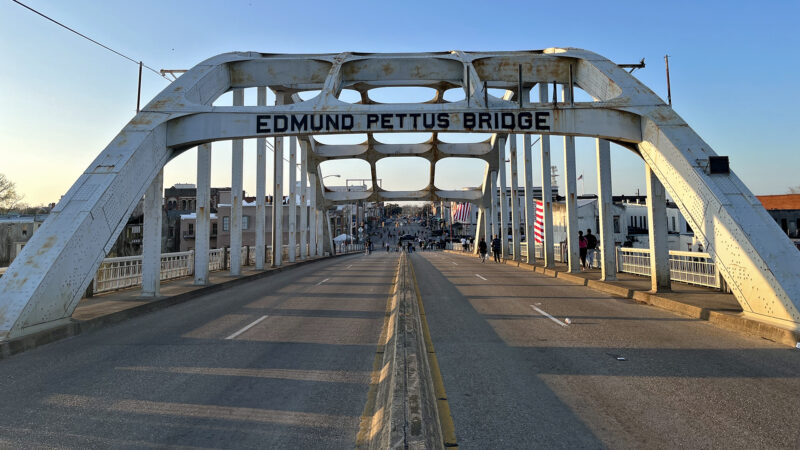
Bernard LaFayette, Selma voting rights organizer, dies at 85
LaFayette laid the foundations of the Selma, Alabama, campaign that culminated in the passage of the Voting Rights Act. He was a Freedom Rider and helped found the Student Nonviolent Coordinating Committee.
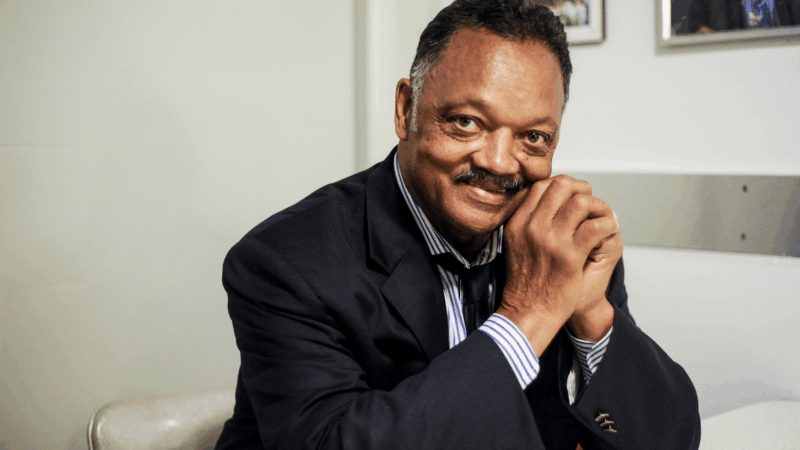
Homegoing service will celebrate civil rights leader Jesse Jackson in Chicago
Chicago native Jennifer Hudson is among the singers performing at a memorial for the civil rights leader who died last month. Former presidents Bill Clinton, Barack Obama and Joe Biden will attend.
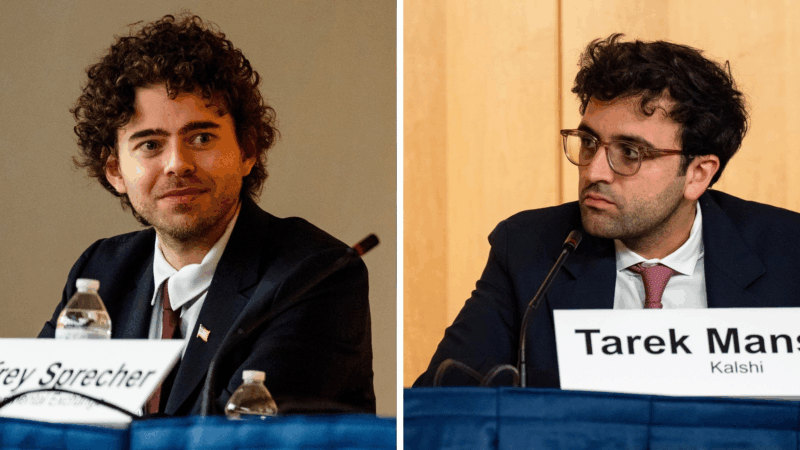
The Kalshi and Polymarket CEO feud: They hate each other
The 20-something billionaires who run Kalshi and Polymarket are battling it out to be the top prediction market company. Observers and former insiders say the feud is just heating up.
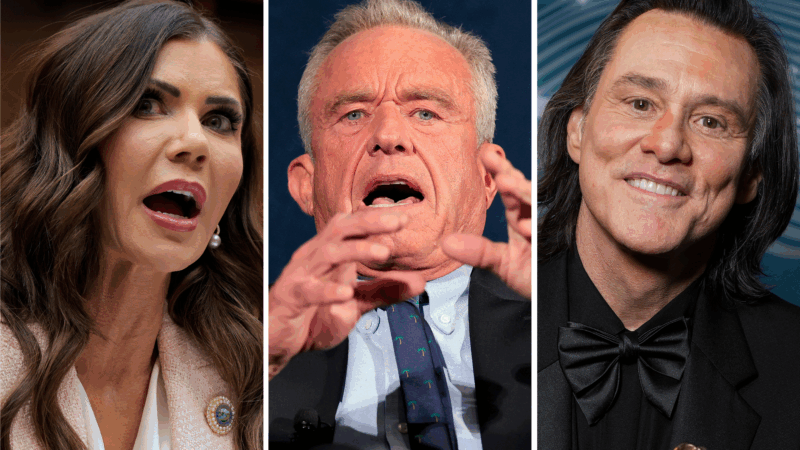
Was that really Jim Carrey? The internet had thoughts but the quiz has answers
Plus: Primates of all varieties!
