
What we know about the massive sewage leak in the Potomac River
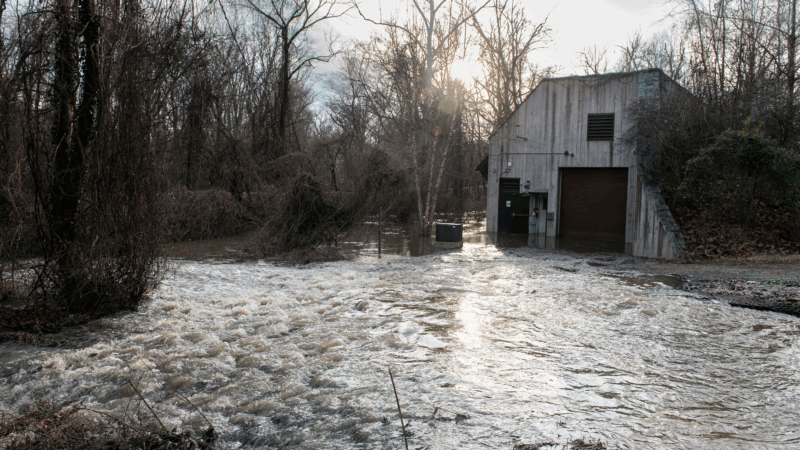
It could now take months to repair a broken sewer pipe that pumped millions of gallons of wastewater into the Potomac River about 8 miles from the White House. The damage is worse than initially thought after officials found a massive blockage in the ruptured pipe.
DC Water, the local authority that operates the pipe, said Friday that there’s a risk of limited overflow of wastewater until repairs are completed.
Approximately 243 million gallons of wastewater has overflowed from the pipe that collapsed on January 19 in Montgomery County, Md., according to a release from DC Water. That translates into 368 Olympic-sized swimming pools worth of sewage. The brunt of this surge happened in the first five days, before interim bypass pumping was activated — a system that reroutes sewage around the damaged section.
“Analysis of Potomac River flow data indicates that the estimated peak discharge of wastewater, approximately 40 million gallons per day, represents about 2% of the Potomac River’s total flow during that period,” the statement reads.
The collapse occurred along the Potomac near the Chesapeake and Ohio Canal. While trying to repair the collapse, DC Water found a large rock dam blocking the sewer pipe. Removing the boulders and large rocks will require heavy machinery, manual labor and additional equipment coming in from Florida and Texas, it said. This process is estimated to take four to six weeks. DC Water spokesperson Sherri Lewis said in an email on Saturday that the company will not be able to assess the damage and determine a timeline for a full repair until the blockage is removed.
According to the Friday statement from DC Water, until the pipe is fully repaired, there’s still “residual risk” of additional overflows. But those are “expected to remain minimal.”
The water authority also said that, since February 1, E. coli concentrations downstream of the collapsed site “have remained within the US Environmental Protection Agency’s acceptable range for primary contact recreational activities.”
However, clean water advocates are calling on public officials to issue a public health warning.
“People want to know if the river is safe. Right now, the Potomac River is not safe!” wrote Betsy Nicholas, president of the Potomac Riverkeeper Network, in a statement. The group, working in collaboration with University of Maryland scientists, said that water testing from samples collected nine days after the pipe collapse showed “fecal bacteria levels more than 2,700 times the safe limit established by Maryland and Virginia.”
March for Life attendees may have been exposed to measles, DC Health warns
D.C. health officials are contacting people possibly exposed to measles at the March for Life in January, as confirmed cases rise nationwide.

U.S. gave Ukraine and Russia June deadline to reach peace agreement, Zelenskyy says
"The Americans are proposing the parties end the war by the beginning of this summer," Zelenskyy said, speaking to reporters on Friday.

U.K. leader’s chief of staff quits over hiring of Epstein friend as U.S. ambassador
British Prime Minister Keir Starmer's chief of staff resigned Sunday over the furor surrounding the appointment of Peter Mandelson as U.K. ambassador to the U.S. despite his ties to Jeffrey Epstein.

Trump administration lauds plastic surgeons’ statement on trans surgery for minors
A patient who came to regret the top surgery she got as a teen won a $2 million malpractice suit. Then, the American Society of Plastic Surgeons clarified its position that surgery is not recommended for transgender minors.

What you should know about Bad Bunny’s Super Bowl halftime show
Will the Puerto Rican superstar bring out any special guests? Will there be controversy? Here's what you should know about what could be the most significant concert of the year.

Sunday Puzzle: -IUM Pandemonium
NPR's Ayesha Rascoe plays the puzzle with KPBS listener Anthony Baio and Weekend Edition Puzzlemaster Will Shortz.
