
What we know about the massive sewage leak in the Potomac River
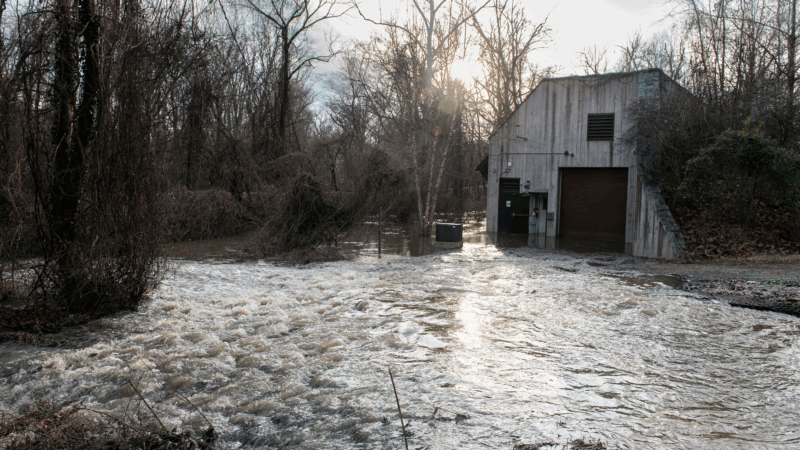
It could now take months to repair a broken sewer pipe that pumped millions of gallons of wastewater into the Potomac River about 8 miles from the White House. The damage is worse than initially thought after officials found a massive blockage in the ruptured pipe.
DC Water, the local authority that operates the pipe, said Friday that there’s a risk of limited overflow of wastewater until repairs are completed.
Approximately 243 million gallons of wastewater has overflowed from the pipe that collapsed on January 19 in Montgomery County, Md., according to a release from DC Water. That translates into 368 Olympic-sized swimming pools worth of sewage. The brunt of this surge happened in the first five days, before interim bypass pumping was activated — a system that reroutes sewage around the damaged section.
“Analysis of Potomac River flow data indicates that the estimated peak discharge of wastewater, approximately 40 million gallons per day, represents about 2% of the Potomac River’s total flow during that period,” the statement reads.
The collapse occurred along the Potomac near the Chesapeake and Ohio Canal. While trying to repair the collapse, DC Water found a large rock dam blocking the sewer pipe. Removing the boulders and large rocks will require heavy machinery, manual labor and additional equipment coming in from Florida and Texas, it said. This process is estimated to take four to six weeks. DC Water spokesperson Sherri Lewis said in an email on Saturday that the company will not be able to assess the damage and determine a timeline for a full repair until the blockage is removed.
According to the Friday statement from DC Water, until the pipe is fully repaired, there’s still “residual risk” of additional overflows. But those are “expected to remain minimal.”
The water authority also said that, since February 1, E. coli concentrations downstream of the collapsed site “have remained within the US Environmental Protection Agency’s acceptable range for primary contact recreational activities.”
However, clean water advocates are calling on public officials to issue a public health warning.
“People want to know if the river is safe. Right now, the Potomac River is not safe!” wrote Betsy Nicholas, president of the Potomac Riverkeeper Network, in a statement. The group, working in collaboration with University of Maryland scientists, said that water testing from samples collected nine days after the pipe collapse showed “fecal bacteria levels more than 2,700 times the safe limit established by Maryland and Virginia.”

Paul McCartney’s decade of transformation: From Beatles breakup to John Lennon’s murder
Man on the Run shows McCartney's effort to define himself outside The Beatles' shadow: "Paul making this documentary was a way of coming to terms with that whole period," says director Morgan Neville.

A Biden-era rule sought to stabilize child care. Why Trump wants it gone
The Trump administration has proposed repealing a Biden-era rule that required states to change how they pay out child care subsidies, citing the potential for fraud.

Greetings from Southwest Papua, which has some of the world’s richest marine biodiversity
The Raja Ampat islands in Indonesia's Southwest Papua province are a marine biodiversity hotspot and a divers' paradise.
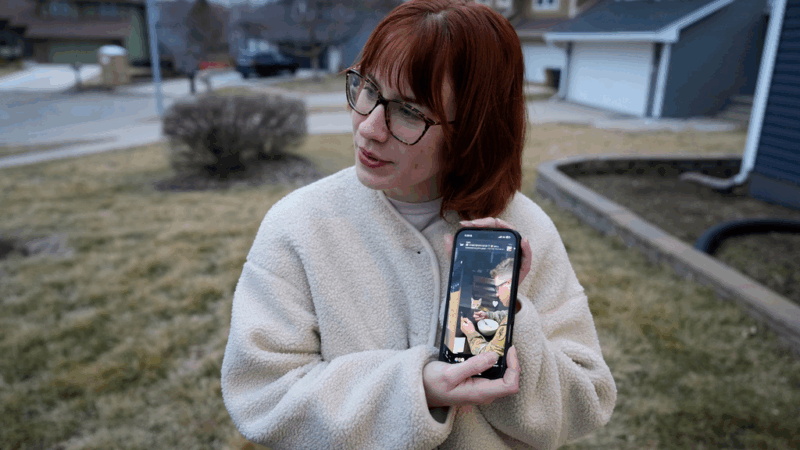
Families remember U.S. reservists killed in Kuwait, members of an Iowa logistics unit
Four U.S. soldiers were killed in the Iran war on Sunday and IDed Tuesday by the Pentagon; two soldiers haven't yet been publicly identified. Their unit kept troops supplied with food and equipment.

Why supporting a shelter for women is now ‘kind of radioactive’
That's how researcher Beatriz Garcia Nice describes the new U.S. stance under the Trump administration to programs addressing gender-based violence.
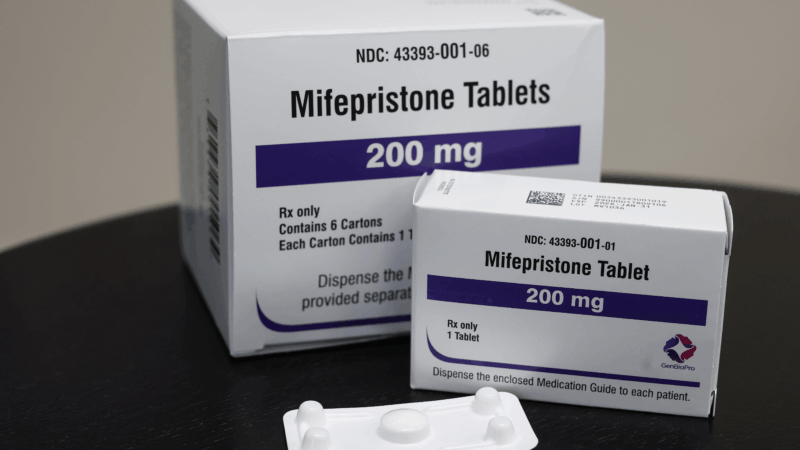
Telehealth abortion is in the courts. Share your experience.
Mifepristone is facing another major legal challenge.
