
What to know about the Nobel Peace Prize
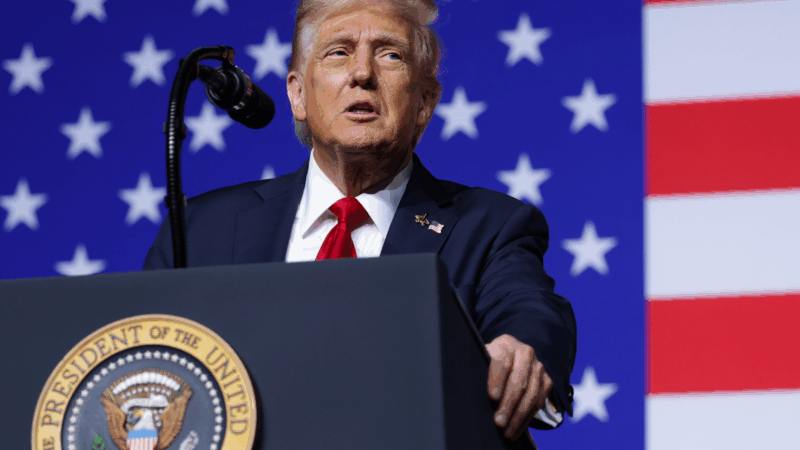
Anticipation is growing and bookies around the world are taking bets on who’ll be awarded this year’s Nobel Peace Prize, with President Trump among the most high-profile — and controversial — contenders.
On Friday, the Norwegian Nobel Committee will announce the winner. The committee says the award goes to the person or organization that has done the most “for fraternity between the nations and the abolition or reduction of standing armies and the formation and spreading of peace congresses.”
Trump has received multiple nominations and has never made a secret of his desire to win the prestigious accolade. And, as the first phase of his Gaza peace plan makes headway, the focus on the prospect of him winning is intensifying.
Here’s what to know ahead of this year’s announcement.
How did the peace prize come about?
In his 1895 will, Swedish inventor and businessman Alfred Nobel declared his fortune should be divided into five parts to honor outstanding achievements in physics, chemistry, physiology or medicine, literature and for work in peace.
The first prizes were given in 1901 and are now announced every October and awarded in a ceremony in December. In 1968, a new prize was established — the Sveriges Riksbank Prize in Economic Sciences.
Thousands of people can choose to nominate a person or organization as a candidate for the peace prize, though you cannot nominate yourself. Those eligible to nominate a candidate include members of national governments, officials with international peace organizations, university professors and former recipients.
The recipients of four of the prizes are decided by a Swedish committee, while the recipient of the peace prize is decided by a Norwegian committee composed of five members appointed by the Norwegian parliament. The peace prize committee deliberates in secret for months before coming up with a shortlist and narrowing it down to pick the winner.
The winner of the Nobel Peace Prize receives a medal and about $1.17 million in prize money.
Who has won it in the past?
Some of the world’s most famous names have won in the past, including former South African presidents Nelson Mandela and F.W. de Klerk in 1993 for bringing a peaceful end to apartheid and Martin Luther King Jr. in 1964 for his nonviolent civil rights struggle. Mother Theresa, the Dalai Lama and Malala Yousafzai are also all past winners.
The prize has also gone to people or groups that are not household names. Last year it was awarded to Nihon Hidankyo, a Japanese grassroots movement of atomic bomb survivors from Hiroshima and Nagasaki.
The awarding of the prize has also courted controversy. Former U.S. Secretary of State Henry Kissinger received the prize in 1973 along with North Vietnam’s chief communist negotiator, Le Duc Tho, for establishing the Paris Peace Accords — which led to America’s exit from the Vietnam War. Tho declined the award, but the decision to award Kissinger shocked many of his critics who saw him as a warmonger.
Also controversial was President Barack Obama’s Nobel Peace Prize in 2009, just months into his first term. Some criticized the decision, saying the president hadn’t had time to prove himself. Ethiopian Prime Minister Abiy Ahmed received the award for efforts to reach peace with neighboring Eritrea in 2019. He later went on to wage a brutal war in Ethiopia’s northernmost region of Tigray.
Leaders in the Americas, including Costa Rica and Colombia, as well as human rights defenders in Russia, Belarus and Ukraine have also won the award.
Who is nominated this time?
There are 338 candidates for the Nobel Peace Prize this year — 244 individuals and 94 organizations.
At the center of intense speculation about this year’s award is President Trump, who is currently engaged in negotiations to end the war in Gaza.
The Nobel website does not list the candidates, although some of the nominators have told the media who they’ve put forward. Cambodian Prime Minister Hun Manet and Israeli Prime Minister Benjamin Netanyahu have both confirmed they nominated Trump.
Trump has repeatedly said he deserves the prize, saying he’s ended multiple wars this year already, although fact-checkers dispute the claim as several conflicts he has attempted to end remain ongoing. Earlier this year he said at the White House: “They will never give me a Nobel Peace Prize. I deserve it, but they will never give it to me.”
Other names making the rounds as possible winners this year include Sudan’s Emergency Response Rooms, a volunteer network helping civilians despite great risk in the midst of the country’s civil war, and Yulia Navalnaya, the widow of Russian opposition politician Alexei Navalny.
In terms of the likelihood of Trump winning, the Gaza ceasefire may come too late to change the outcome of this year’s award, and the committee is known to value sustained peace efforts over quick political wins.
However, as of Thursday morning, bookmakers’ odds had Trump and the Sudanese group as the joint favorites, according to Oddschecker.
U.S. life expectancy is going up. Think how many more news quizzes you can do!
When the news gets too heavy, the quiz is forced to turn to pop culture questions — so there are a lot this week. Let's see how you do!
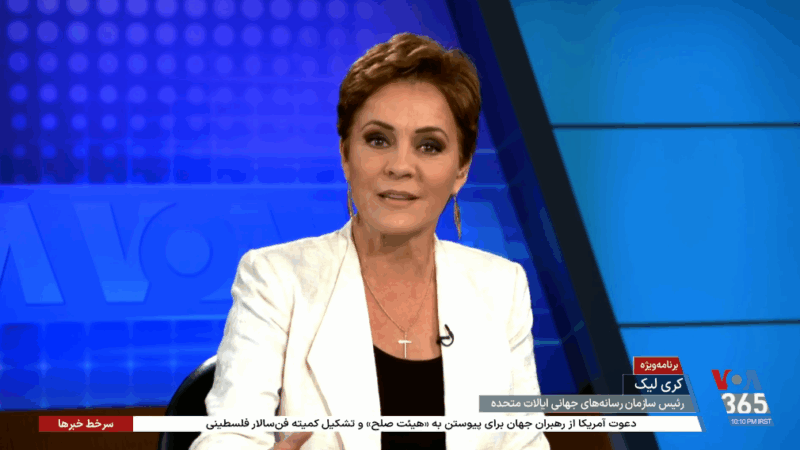
Kari Lake promotes Trump on Voice of America. Does that break the law?
Critics say U.S. Agency for Global Media's Kari Lake risks making Voice of America sound like a propaganda outlet in her remarks on the air praising President Trump.
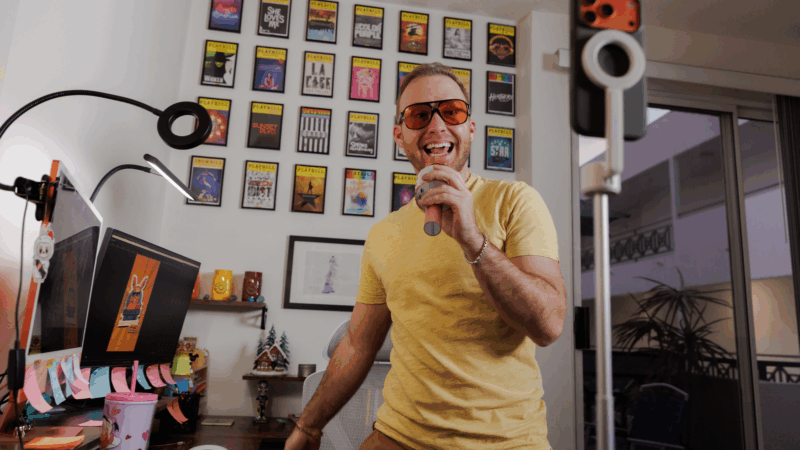
Meet Mediocre Bunny, the non-Spanish speaker learning Bad Bunny songs
Niklaus Miller, aka the Mediocre Bunny, has spent months learning Bad Bunny's songs ahead of the superstar's Super Bowl half-time show. Millions of fans have tagged along for the journey. Now, he's begging the universe for a ticket. Will it deliver?

Want to be part of a village? You might need to get out of your comfort zone
If you've always dreamed of having a village but feel disconnected from your community, try these five tips. Plus: We want to hear from you. Tell us how you cultivate community where you live.
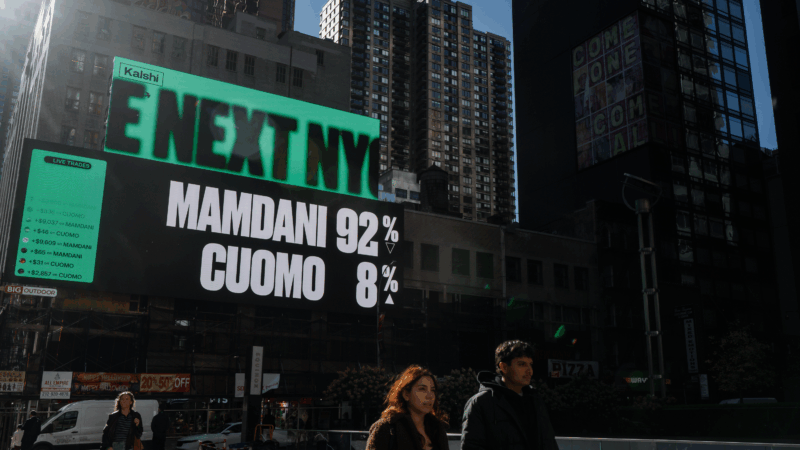
Kalshi in court over 19 federal lawsuits. What’s the future of prediction markets?
Apps that let people wager on current events have experienced explosive growth in Trump's second term. But one of the leading markets is tied up in lawsuits that cloud the industry's future.
Trump thinks a weaker dollar is great for America. Is he right?
The president said this week that the value of the dollar is "great" despite a sharp tumble since last year. That may be true for certain parts of the economy — but not others.
