
Venezuela begins releasing political prisoners, but hundreds remain behind bars
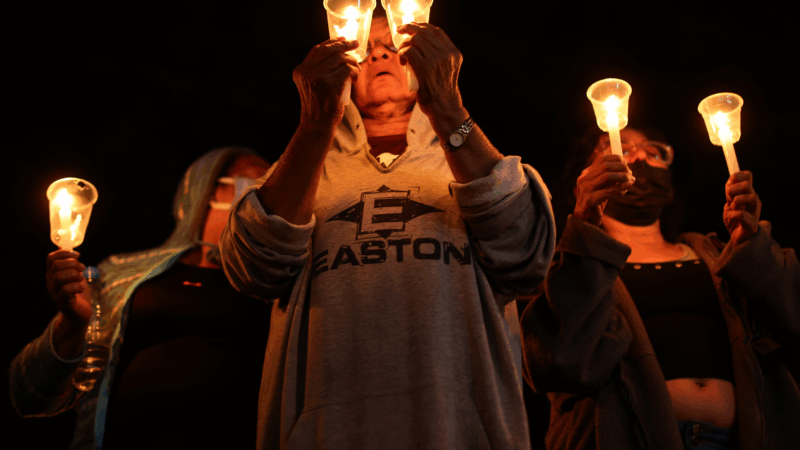
BOGOTA, Colombia — To crush dissent over the past 13 years, Venezuela’s authoritarian regime arrested thousands of protesters, students and opposition activists. Now, in the aftermath of the U.S. raid that ousted President Nicolás Maduro, the new government is starting to release political prisoners.
But as of Monday morning, just 41 of the more than 800 political prisoners have been freed, according to Foro Penal, a Venezuelan legal aid group that works on their behalf.
“It’s good news but we are worried because this process has been so slow,” Alfredo Romero, director of Foro Penal, told NPR.
Romero said the prompt release of the detainees is especially important because many have been badly mistreated and some have died in detention. They include Edilson Torres, a 52-year-old police officer who was detained in December for criticizing the Maduro regime. Torres died of a heart attack Saturday, according to Attorney General Tarek William Saab.
“Most political prisoners are being tortured or subject to cruel treatment in some way or the other,” Romero said.
The torture of political prisoners is one reason why the International Criminal Court in 2021 opened an investigation against the Maduro regime for crimes against humanity. Their release has also been one of the main demands of Venezuela’s political opposition and its leader, Nobel Peace Prize recipient María Corina Machado.
“We will not rest until all political prisoners are freed,” Machado said last week in a message to relatives of detainees.
The release policy was announced Jan. 8, five days after Maduro was captured in Caracas by U.S. special forces. Jorge Rodríguez, who heads Venezuela’s National Assembly and is the older brother of interim President Delcy Rodriguez, said that “an important number” of political prisoners would be released in a gesture of national unity.
Over the weekend, President Trump chimed in on social media, saying: “Venezuela has started the process, in a BIG WAY, of releasing their political prisoners.”
Among the first to be freed was Enrique Márquez, a third-party candidate who accused Maduro of dirty tricks during the 2024 presidential election. Maduro claimed to have won the election despite widespread evidence that he lost in a landslide to Edmundo González, the main opposition candidate. At a public event days after the balloting that was attended by Maduro, Márquez strode to the microphone and declared: “I demand transparency.”
Four months later, Venezuelan security forces arrested Márquez in a massive crackdown on dissent in the aftermath of the election. After a year in a notorious Caracas prison called El Helicoide, a smiling Márquez emerged last week and immediately hugged his wife.
However, for Márquez and other released political prisoners, the legal charges against them remain in place and they are prohibited from speaking to the media. As a result, rights activists are urging Venezuelan lawmakers to pass an amnesty law.
The Venezuelan government said Monday that it had released 116 detainees, but it was unclear how many of them were political prisoners. Either way, the vast majority of Venezuela’s political detainees remain behind bars and for their relatives, the waiting game continues.
“My father has not yet been released,” said Ramón Guanipa, the son of a former opposition governor Juan Pablo Guanipa. In a video that he shot standing outside the Caracas police station where his father is being held, Ramón Guanipa addressed the new government, saying: “You need to release all political prisoners right now.”
Venezuelan journalist Luis Carlos Díaz said that everyday they remain behind bars, prisoners may face they same treatment he received when he was briefly detained in 2019. He recalls being suffocated and beaten as security agents tried to force him into confessing crimes he had not committed.
In explaining the slow pace of prisoner releases, Díaz said the new government is full of hardline Maduro holdovers who have no interest in national reconciliation or a democratic opening. Among them, he says, is interim President Delcy Rodriguez, who in her previous post of vice president, oversaw Venezuela’s intelligence service and facilitated Maduro’s crackdown on dissidents.
“She knows about torture and disappearances. She’s guilty of crimes, like Maduro. She’s no different. She’s part of the same dictatorship,” Díaz told NPR.
In fact, over the weekend the U.S. government urged its citizens to leave Venezuela immediately amid reports that pro-government paramilitaries were trying to track down Americans. There was no response to NPR’s requests for comment from the Venezuelan government.
Romero, of Foro Penal, says that even as the new government releases some dissidents, it could start arresting others.
“If there is not a dismantling of the repression machinery, then new political prisoners will be in jail, and the revolving door of repression continues,” he said.
Bill making the Public Service Commission an appointed board is dead for the session
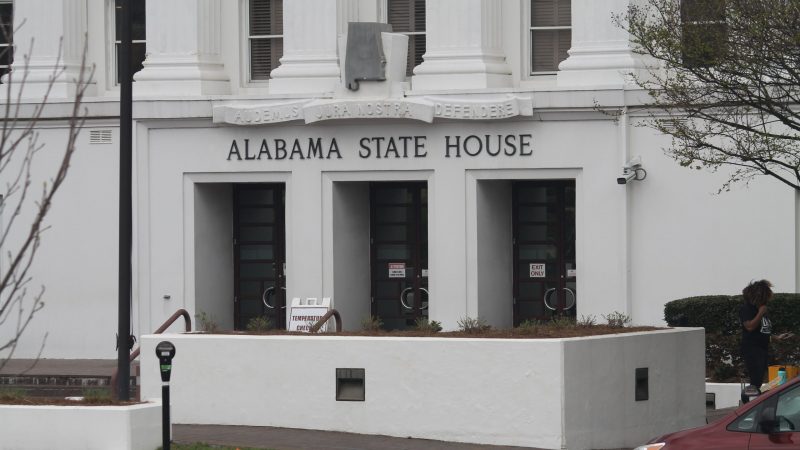
Usually when discussing legislative action, the focus is on what's moving forward. But plenty of bills in a legislature stall or even die. Leaders in the Alabama legislature say a bill involving the Public Service Commission is dead for the session. We get details on that from Todd Stacy, host of Capitol Journal on Alabama Public Television.
Baz Luhrmann will make you fall in love with Elvis Presley
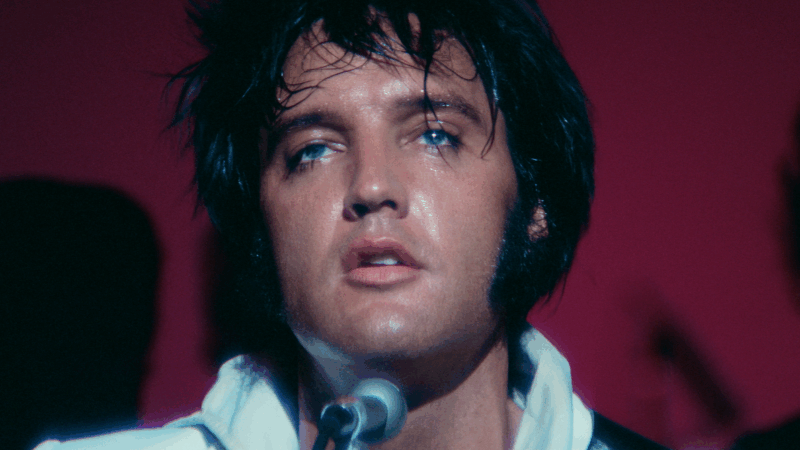
The new movie is made up of footage originally shot in the early 1970s, which Luhrmann found in storage in a Kansas salt mine.
My doctor keeps focusing on my weight. What other health metrics matter more?
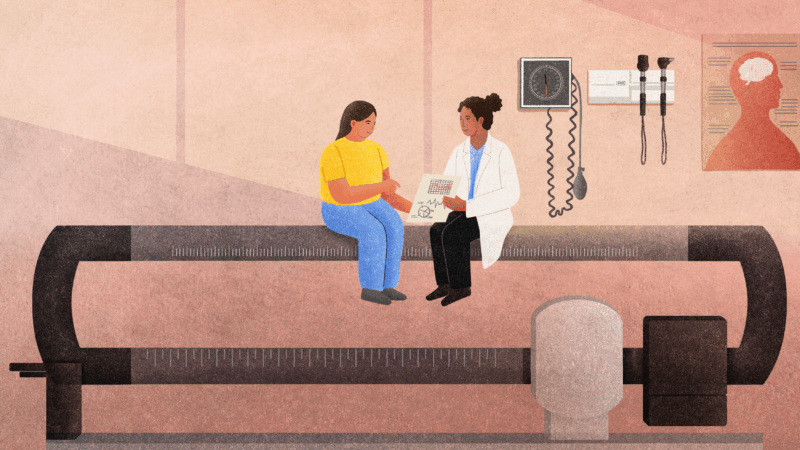
Our Real Talk with a Doc columnist explains how to push back if your doctor's obsessed with weight loss. And what other health metrics matter more instead.
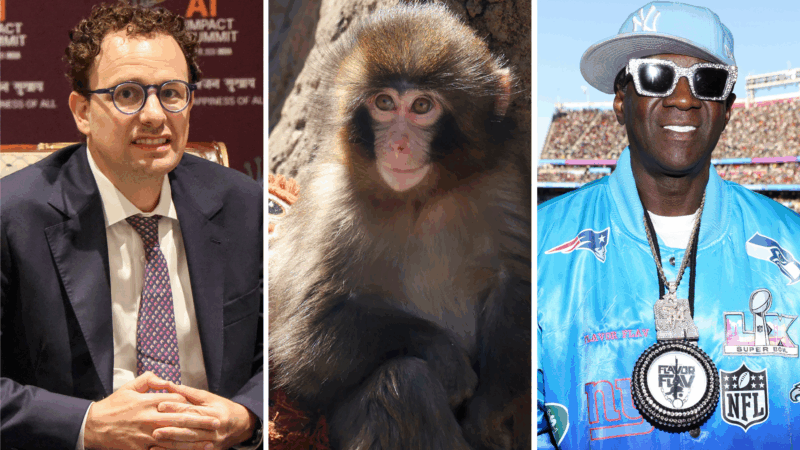
Forget the State of the Union. What’s the state of your quiz score?
What's the state of your union, quiz-wise? Find out!
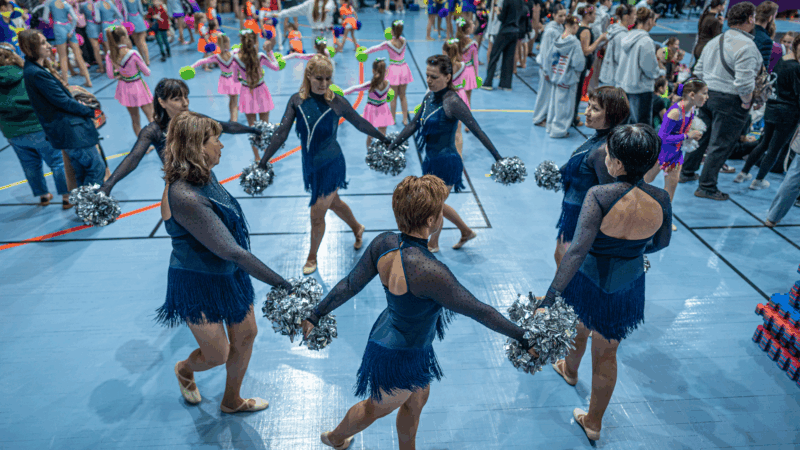
A team of midlife cheerleaders in Ukraine refuses to let war defeat them
Ukrainian women in their 50s and 60s say they've embraced cheerleading as a way to cope with the extreme stress and anxiety of four years of Russia's full-scale invasion.
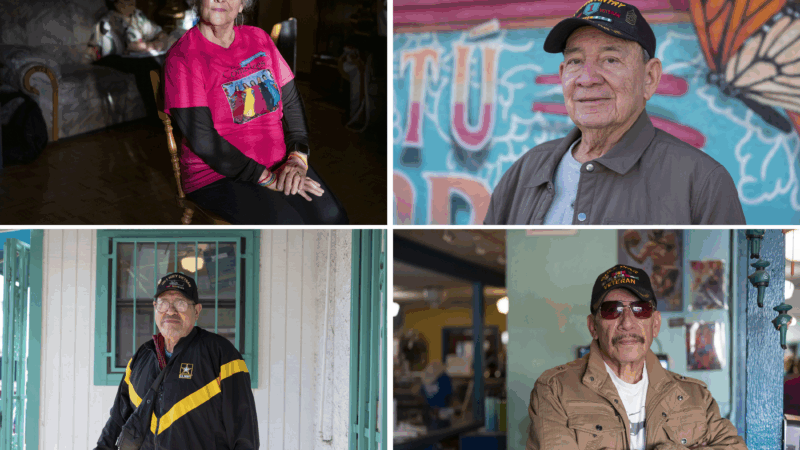
As the U.S. celebrates its 250th birthday, many Latinos question whether they belong
Many U.S.-born Latinos feel afraid and anxious amid the political rhetoric. Still, others wouldn't miss celebrating their country
