
Using saliva to detect disease holds promise, but it’s not perfected yet
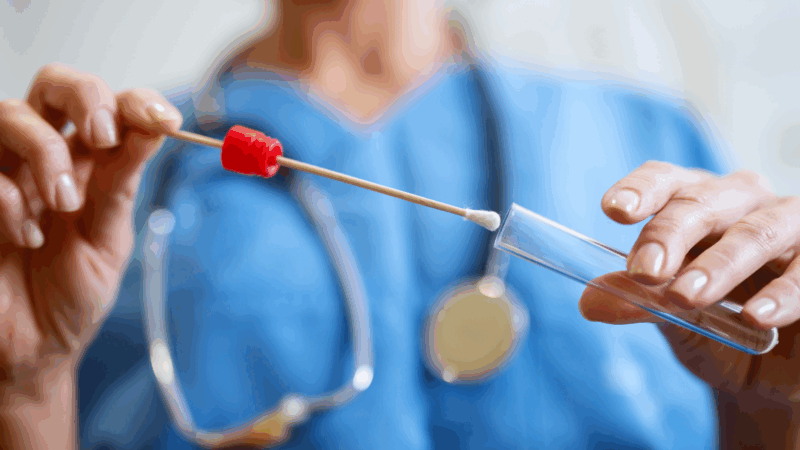
The saliva circulating in your mouth contains troves of microbial information about the rest of your body and is easier to collect than blood samples. Today, a few drops of spit can help detect viruses like HIV and the one that causes COVID-19, or assess genetic risks for breast cancer.
Within a few years, experts say, similar tests might be available to diagnose other diseases, such as diabetes or prostate cancer.
“It would be great to treat on a preventative basis rather than on a reactive basis,” says Wallace Bellamy, a dentist in Sacramento, Calif., and president of the National Dental Association, which promotes health equity.
He says if salivary tests became routine in dental care, they could help save both lives and money by detecting disease earlier. But they’re not widely used because they’re costly.
“Insurance is a key factor here. Most of our patients want to know if it’s covered by insurance, and it’s not,” says Bellamy, who has no financial stake in the businesses that offer the tests.
Currently available tests done at home or at the dentist cost $100 to $200, and samples are typically mailed back to the lab that developed them for analysis. Bellamy does not offer the tests in his practice to his dental patients, but if a patient of his takes one they’ve ordered online, he likes to know the results.
Limited FDA approval
The tests can be very accurate in detecting cavities or oral cancer, for example.
Those tests are created by specific labs approved by the Centers for Disease Control and Prevention, but the tests are not approved by the Food and Drug Administration (FDA), which requires exhaustive reliability studies.
Most companies operating without FDA approval are like OrisDX, a Chicago-based company that in April plans to start selling a test that detects squamous cell head and neck cancers with 93% reliability, says CEO Harald Steltzer. Patient samples will be collected, either at a dentist’s office or using dental telehealth, and will then be sent back to one specific lab for processing.
“There’s such a high unmet need,” Steltzer says. Otherwise, he says, “we’re still looking for cancer the way we were 100 years ago, which is visual inspection of the oral cavity and a tactile feel around the chin and the glands.”
To date, the only FDA-approved diagnostic saliva tests are ones to detect HIV and COVID-19.
New incentives
Some companies are pursuing FDA approval for tests to diagnose various types of cancers, including mouth and throat cancers — and now there’s also a new financial incentive to do so.
As part of its recent spending bill, Congress last month required Medicare to cover FDA-approved multicancer detection, whether it uses blood, saliva or other means, says Sheila Walcoff, a regulatory consultant and CEO of Goldbug Strategies.
That means once such tests are FDA approved, Medicare — as well as other private insurers likely to follow Medicare’s lead — will cover the cost, she says, making it worth it for companies to invest in obtaining full FDA approval.
“Now that there’s a carrot out there that they can get immediate national reimbursement for those tests, then that’s really going to push them forward,” Walcoff says.
Always in flux
One of the challenges is that saliva is more difficult to test than blood, because it is always in flux. It changes after brushing, drinking, eating or smoking, for example, and its makeup differs between people, says Purnima Kumar, who chairs periodontics and oral health at the University of Michigan and is a spokesperson for the American Dental Association.
“There’s a lot of variability,” Kumar says. “They’re like a microbial fingerprint for you.”
Researchers are now trying to identify specific salivary markers that can reliably pinpoint disease across diverse populations, Kumar says.
If they can do so, Kumar expects that salivary testing will help lower barriers to care. In her own practice, for example, she uses at-home saliva tests to monitor for infection following oral surgery, especially for patients who live in rural areas, are elderly or lack transportation.
Kumar says even if availability and reliability of such tests improve, they should not replace in-person care or dental visits. Just as blood tests help identify problems with cholesterol or liver disease, salivary tests could become another way for busy people to keep tabs on their health — potentially during a dentist visit. She says it’s like a health alert system that might notify people, “‘Hey, something’s wrong with you — go seek further help.'”
Supreme Court strikes down Trump’s tariffs
The 6-3 ruling is a major blow to the president's signature economic policy.
The economy slowed in the last 3 months of the year — but was still solid in 2025
The U.S. economy grew 2.2% in 2025, a modest slowdown from 2.4% the previous year. GDP gains were fueled by solid consumer spending and business investment.

Ali Akbar, who’s sold newspapers on the streets of Paris for 50 years, is now a knight
For decades, Ali Akbar has sold papers on the Left Bank of Paris. Last month, France gave the beloved 73-year-old immigrant from Pakistan one of its highest honors — and his neighborhood is cheering.
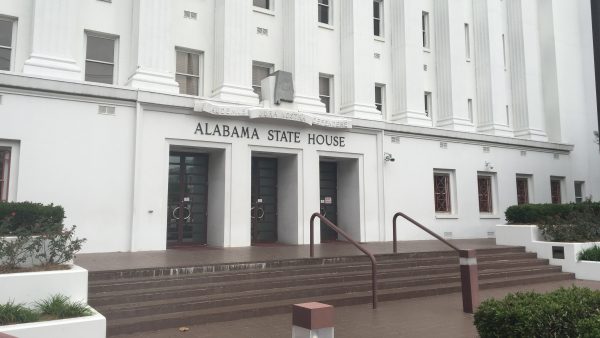
Bill limiting environmental regulations goes to the governor’s desk
President Trump has taken steps to roll back environmental regulations. Some of that same action is taking place in statehouses, including Alabama's. Lawmakers gave final passage this week to a bill that would ban the state from enacting environmental rules more stringent than those at the federal level. That's where we start our weekly legislative update with Todd Stacy, host of Capitol Journal on Alabama Public Television.
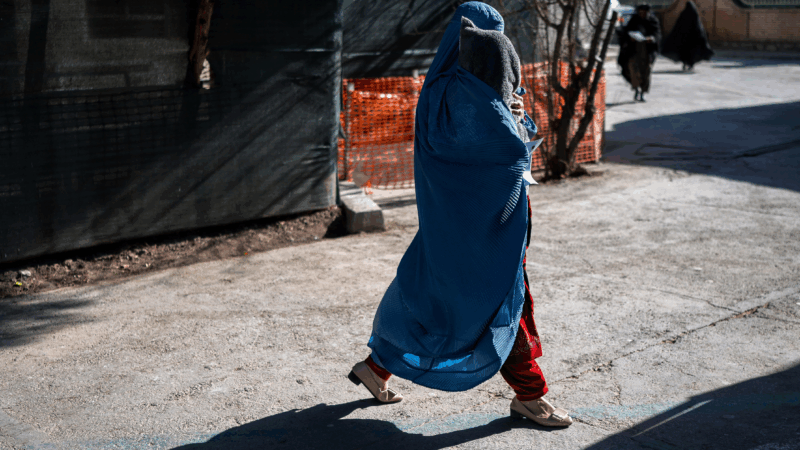
For years the Taliban told women to cover up in public. Now they’re cracking down
At hospitals, at seminaries and on buses, the Taliban is stepping up enforcement of rules on women's dress in the city of Herat.
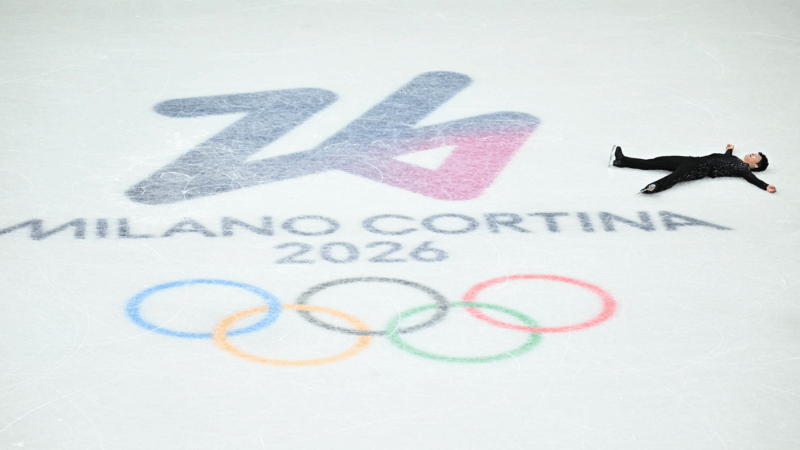
What I learned watching every sport at the Winter Olympics
Sit down with pop culture critic Linda Holmes as she watches the 2026 Winter Games. She is exhausted by cross-country, says "ow ow ow" during moguls, and makes the case, once and for all, for curling.
