
UN humanitarian chief: world needs to ‘wake up’ and help stop violence in Sudan
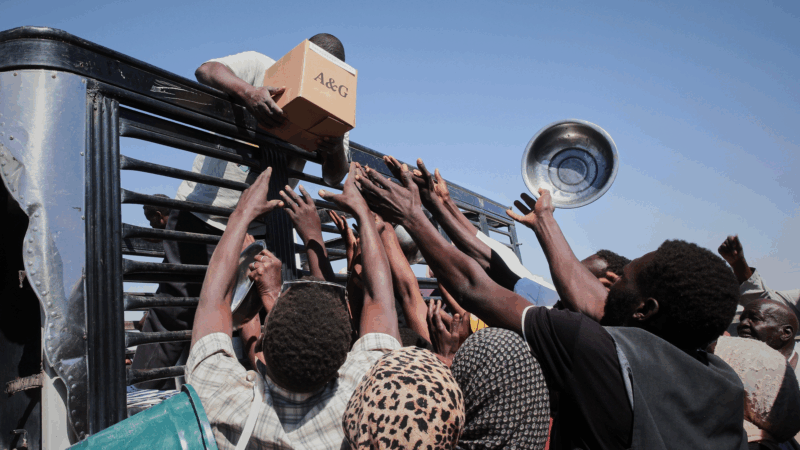
The UN’s top humanitarian and emergency relief official has told NPR that why world leaders have not paid more attention to the civil war in Sudan is the “billion dollar question,” and called for the United Nations Security Council to “wake up” and help stop the violence.
Tom Fletcher, the Under-Secretary-General for Humanitarian Affairs, who recently spent a week in Sudan’s Darfur region, has called the area the “epicenter of suffering in the world right now.”
Speaking to host Ayesha Rascoe on Weekend Edition Sunday, Fletcher described his visit to Darfur. “You’re going through checkpoint after checkpoint manned by child soldiers,” he said. “You’re meeting people who are starving, who’ve been displaced many times, victims of sexual violence, victims of horrible torture, brutality.”
Fletcher explained that his organisation’s work in Sudan is currently only “32% funded”, leading to difficult decisions for aid workers on the ground. “We are making these brutal life-and-death choices every day about which lives to save, literally, which projects to cut, which projects to keep,” he said. This year, the United States has cut back its foreign aid funding.
“We’re doing our best,” Fletcher said of his organisation’s work in Sudan, but added: “We’re overwhelmed because we’re dealing with hundreds of thousands of people escaping… and that’s just from el-Fasher alone, let alone across the whole of Sudan, where the needs are enormous.”
In October, the city of el-Fasher was captured by the Rapid Support Forces (RSF) after an 18-month siege. The United Nations estimates around 200,000 civilians were trapped in el-Fasher when the army withdrew, and there is evidence that many were systematically killed, with thousands still unaccounted for.
Satellite imagery shows possible mass graves in el-Fasher and beyond, raising fears of suspected genocide. More than 20 years ago, between 2003 and 2005, the Darfur region experienced another genocide, in which it is estimated that at least 200,000 people were killed.

In October, the city of el-Fasher was captured by the Rapid Support Forces (RSF), the paramilitary group that is at war with Sudan’s army. The United Nations estimates around 200,000 civilians were trapped in el-Fasher when the army withdrew. Advocacy groups said many were systematically killed.
Fletcher called el-Fasher a “crime scene”, and said his organisation were determined to get more aid teams into the area and also “try to push for accountability” over the bloodshed.
He called for urgent help from other global organisations to stop the violence. “We need the world to act,” he said. “We need the [United Nations] Security Council to wake up. We need the great powers of the world to basically say, let’s stop arming this conflict.”
Fletcher blamed a host of factors for the lack of action on the war in Sudan, which has been raging since April 2023, when fighting first erupted between the Sudanese army and the paramilitary Rapid Support Forces in the capital Khartoum and quickly spread nationwide. He said social media had “shortened our attention spans”, while other global crises such as the war in Gaza had received more international attention.
Fletcher called the current moment “a brutal period of indifference and apathy”, and said some online misinformation had let some people feel that suffering on the other side of the world was not important. However, he argued that outlook was wrong. “You can’t put a wall around millions of people who will flee from conflict and climate crisis,” Fletcher said.
Fletcher told NPR that this year alone, he’d visited Gaza twice and Darfur twice, as well as going to the front lines in Ukraine and Goma in the Democratic Republic of Congo — all within his first year in the job at the United Nations. “I get to see the worst of inhumanity, I’m afraid,” he said.
“However, I also see the best of humanity and the people who are out there responding,” he added. “We need that outpouring of generosity. I refuse to believe that people have lost that sense of human solidarity and generosity.”
Transcript:
AYESHA RASCOE, HOST:
It’s the epicenter of suffering in the world right now. That’s how the U.N.’s top humanitarian and emergency relief official, Tom Fletcher, described the situation in Darfur. The region in Sudan has recently witnessed some of the worst violence of the country’s civil war. The conflict is now in its third year, with tens of thousands killed and millions displaced by the fighting. Tom Fletcher recently visited Darfur and joins us now in studio. Welcome to the program.
TOM FLETCHER: Many thanks, Ayesha. Thanks for having me on.
RASCOE: So, Tom, what did you see and hear on the ground?
FLETCHER: It’s a horror show. And I had a week inside Darfur, and you’re going through checkpoint after checkpoint manned by child soldiers. You’re meeting people who are starving, who’ve been displaced many times, victims of sexual violence, victims of horrible torture, brutality. I met one lady who’d escaped from El Fasher. She’d seen her own child killed in front of her, her husband killed in front of her. She’d gone next door to her neighbors, who were all killed in front of her, and she’d scooped up the one survivor, a two-month-old, malnourished kid. She’d walked miles and miles to escape. And on the way, she’d been gang raped. She’d had her leg broken. But somehow, she’d got to us, and we were looking after her. We were saving that child’s life, and we were trying to help them turn the corner. But that’s just one story among thousands.
RASCOE: It’s just horrific. You said, you know, you – that aid agencies were trying to help in that situation you described. Are people there getting the aid that they desperately need?
FLETCHER: Well, we’re there on the ground, and we’re saving as many lives as we can, but we’re only 32% funded. So we are making these brutal life and death choices every day about which lives to save, literally, which projects to cut, which projects to keep. So we’re doing our best. We’re getting, particularly, food in, which is so, so vital right now, trying to get medicine in, trying to stand up some of the essential health services. But we’re overwhelmed because we’re dealing with hundreds of thousands of people escaping, and that’s just from El Fasher alone, let alone across the whole of Sudan, where the needs are enormous.
RASCOE: There’s been widespread reports of massacres in the city of El Fasher. They were allegedly carried out by the Rapid Support Forces, or RSF, a paramilitary force fighting against the government. The RSF claims it’s investigating the massacres, but do we know how many people were killed?
FLETCHER: So we don’t for sure, at the moment. And I was in Tawila and Kuma, the two towns very, very close to El Fasher, so I spent time with survivors. The reality at the moment is that El Fasher, as we’ve seen from the satellite footage, is a crime scene right now. So we’re looking to get teams in. Alongside our humanitarians, there’ll be teams of investigators going in to try to piece together what’s happened and to try to push for accountability. We’ve got to have people held to account for this crime, but then also we’re working on the ground to stop the next atrocity, to try and make sure that civilians elsewhere don’t have to suffer the same abuses.
RASCOE: Well, how do you do that?
FLETCHER: Very, very difficult to do, particularly as, you know, we’re not going in with guns and sort of peacekeeping forces. We’re going in as humanitarians with aid. But part of the solution is to get our people in there. You know, the U.N. isn’t the ship that was built to stay in the harbor. We should be close to where people are suffering and try to prevent more atrocities. But then we need the world to act. We need the Security Council to wake up. We need the great powers of the world to basically say, let’s stop arming this conflict. The last thing that Darfur needs right now, that Sudan needs right now, is more guns and bullets. They need food and medicine.
RASCOE: Well, why do you think this conflict hasn’t received more international attention from world leaders?
FLETCHER: Well, I mean, that is the million-dollar question, I mean, maybe the billion-dollar question, actually. I think it’s partly that people are distracted. There’s apathy. People are anxious about their own lives, understandably. You know, we’re going through a tough economic situation in the world right now. I think social media plays a part. You know, it’s shortened our attention spans. It’s made it harder to focus on the suffering of people on the other side of the world.
There are obviously multiple crises as well. You know, we’re also dealing with Gaza. We’re dealing with the Democratic Republic of Congo, with Myanmar, with Haiti, with so many of these horrific crises globally. And I think there’s a lot of disinformation out there. People are being told, you know, we shouldn’t have to care about the suffering on the other side of the world. But actually, the reality is we do because unless we get out there and deal with these massive crises at source, then these problems are coming in our direction, too.
RASCOE: And when you say they’re coming in our direction, how so?
FLETCHER: Because unless you basically respond to these humanitarian crises with generosity and solidarity, then actually, you can’t put a wall around a pandemic. You can’t put a wall around millions of people who will flee from conflict and climate crisis. You can’t put a wall around the economic inequality which will spread from these epicenters of violence and suffering. You know, the world is tough right now. It’s a brutal period of indifference and apathy. And, you know, we’re out there on the frontline seeing that. I think I’m the only person in the world this year to go to Gaza twice, to Darfur twice, to Kupiansk on the frontlines of the Russia-Ukraine war, to Goma in eastern DRC, where the fighting is raging. I get to see the worst of inhumanity, I’m afraid, but I also see the best of humanity in the people who are out there responding. And we need that outpouring of generosity. I refuse to believe that people have lost that sense of human solidarity and generosity.
RASCOE: That’s Tom Fletcher, the U.N.’s top humanitarian and emergency relief official. Thank you so much for joining us.
FLETCHER: Thank you, Ayesha.
(SOUNDBITE OF MUSIC)

HUD proposes time limits and work requirements for rental aid
The rule would allow housing agencies and landlords to impose such requirements "to encourage self-sufficiency." Critics say most who can work already do, but their wages are low.
Paramount and Warner Bros’ deal is about merging studios, and a whole lot more
The nearly $111 billion marriage would unite Paramount and Warner film studios, streamers and television properties — including CNN — under the control of the wealthy Ellison family.
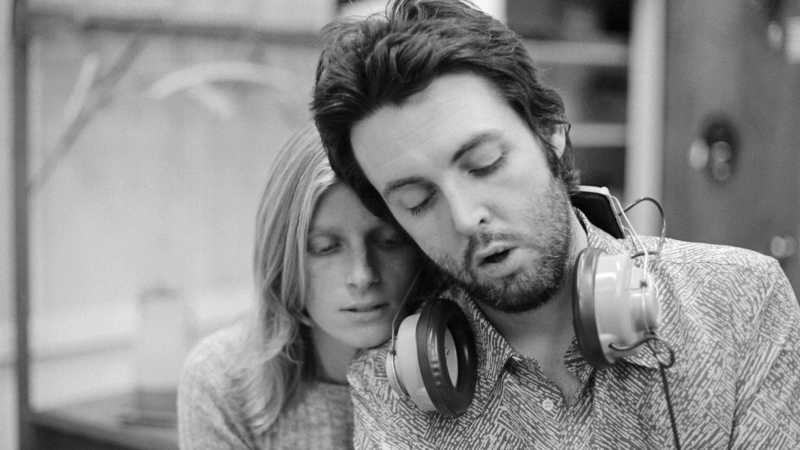
A new film follows Paul McCartney’s 2nd act after The Beatles’ breakup
While previous documentaries captured the frenzy of Beatlemania, Man on the Run focuses on McCartney in the years between the band's breakup and John Lennon's death.

An aspiring dancer. A wealthy benefactor. And ‘Dreams’ turned to nightmare
A new psychological drama from Mexican filmmaker Michel Franco centers on the torrid affair between a wealthy San Francisco philanthropist and an undocumented immigrant who aspires to be a dancer.
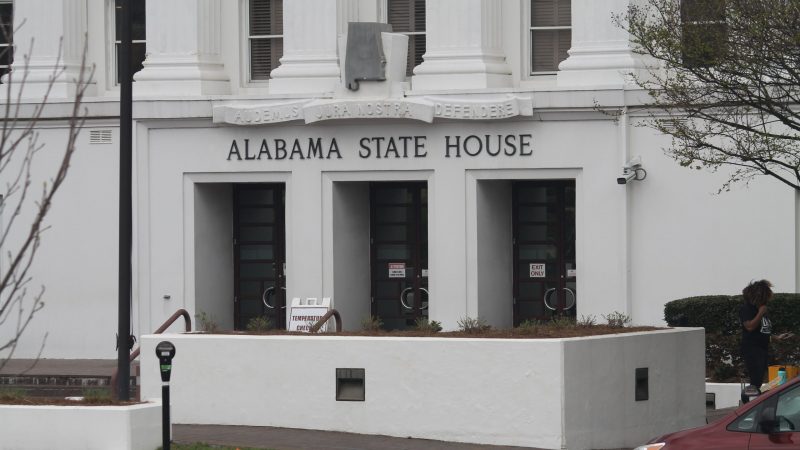
Bill making the Public Service Commission an appointed board is dead for the session
Usually when discussing legislative action, the focus is on what's moving forward. But plenty of bills in a legislature stall or even die. Leaders in the Alabama legislature say a bill involving the Public Service Commission is dead for the session. We get details on that from Todd Stacy, host of Capitol Journal on Alabama Public Television.
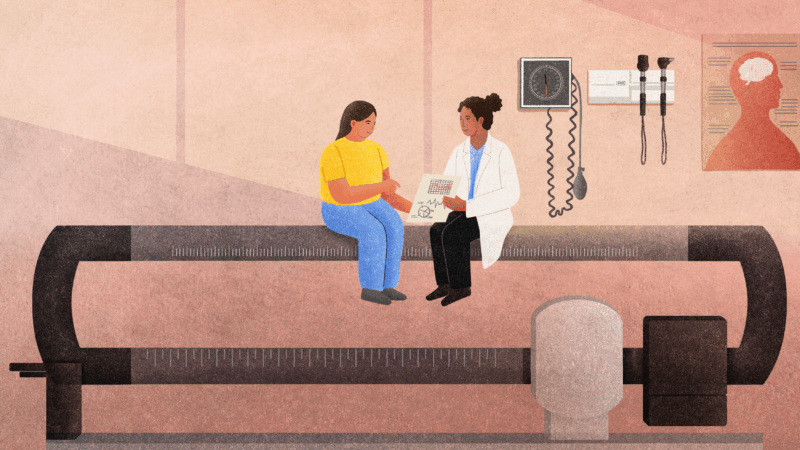
My doctor keeps focusing on my weight. What other health metrics matter more?
Our Real Talk with a Doc columnist explains how to push back if your doctor's obsessed with weight loss. And what other health metrics matter more instead.
