
Ukrainians are sharing hacks online on how to survive winter power cuts
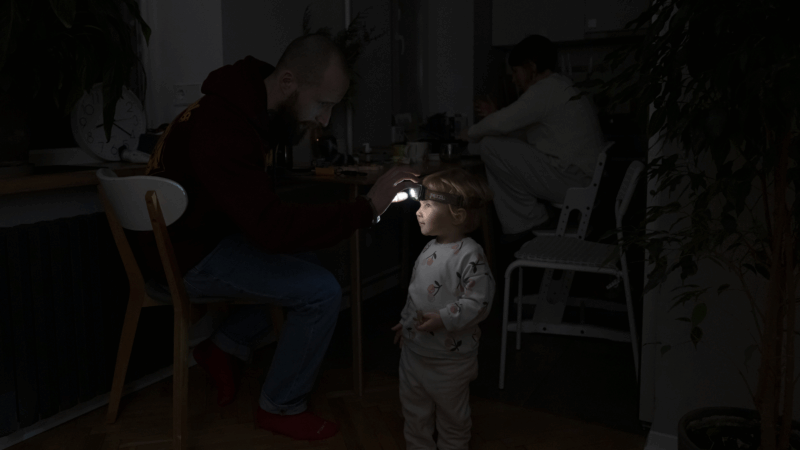
KYIV — After repeated Russian attacks on Ukraine’s energy grid, Ukrainians are facing long cuts to heating, electricity and water during the coldest winter since Russia’s full-scale invasion nearly four years ago.
After a Jan. 9 attack, nearly 6,000 homes were left without heating in Kyiv, according to the city’s mayor, Vitali Klitschko. Utility services and energy workers worked around the clock to restore electricity to nearly all these homes last week. But less than two weeks later, another attack knocked electricity out again.
Heating systems have shut down because their pumps and control boards depend on electricity. Without electricity and heating, a modern skyscraper becomes a cold concrete box, and panoramic windows with breathtaking views of the Dnipro River, a source of cold.
With outside temperatures dropping to near-zero degrees Fahrenheit, and everywhere covered in ice and snow, the power cuts have chilled Ukrainian homes so much that windows ice up inside and some people can see their breath indoors. NPR spoke to several residents of Kyiv who say they manage by wearing their coats indoors, cooking with portable campfire stoves and sleeping under several layers of blankets.

The long blackouts amid the freezing temperatures have worn people out, psychologist Yulia Babiak told NPR.
On social media, Ukrainians share life hacks, including photos of homemade heating devices made from bricks and candles and posts about makeshift ways to keep warm at home. In stores, shelves that used to hold portable gas stoves, heaters and chemical warmers are now almost empty. For many city residents, these camping supplies have become the only way to stay warm, cook food or heat water.
In January, the sun sets in Kyiv at 5:30 p.m., plunging the capital into twilight and then darkness until the next morning’s sunrise at 7:30 a.m. Every home by now has several types of battery-powered flashlights, USB lamps and Christmas lights. In cafes and restaurants, people dine by the cozy flickering of candles and the hum of generators.
The NPR bureau in Kyiv operates on backup power, batteries and a diesel generator, but it’s not enough. So staff have to keep warm with blankets and hot water bottles.

For those who did not manage to buy portable gas heaters and stoves, firebricks have become a popular commodity. Users of the social network Threads show how to raise the temperature in a room by several degrees using simple homemade heaters. Those who have gas in their apartments or houses place bricks on the gas stove. As they heat up, the bricks give off heat and warm the room. Those who live in high-rise buildings where gas is not used create a structure out of candles, barbecue grills and bricks laid on the grill. This method is effective but also unsafe. People online also remind users that it is important to use detectors for carbon monoxide and smoke.
A safer and equally popular way to keep warm is to use a regular camping tent. As social media users have discovered, if you set up a tent right in the bedroom and put a few plastic bottles filled with hot water inside, you will sleep warmer. Those who do not have camping experience and/or equipment recall their childhood and build tents out of blankets. In general, most social media users agreed that hot water bottles in bed are the easiest and safest way to keep warm at night. They write that the heat from the bottles lasts for about four to five hours. Electric blankets are useful if they can be plugged in.

Businesses with generators are also reaching out on social media to offer shelter and help to those without power and electricity. In addition to the mobile heating points set up by the State Emergency Service and charitable organizations, local residents are creating their own shelters.
Coffee shops, gas stations, and local residents treat utility and energy company workers involved in repairs to hot coffee and snacks.

Tired of the darkness, cold and inability to cook hot meals, residents of one of Kyiv neighborhoods got together to barbecue. It turned into a real “resilience” party with music, mulled wine, and dancing to keep warm.
Taisiia Nechytailo, the owner of a beauty salon, offers local residents free hair washing if they don’t have hot water at home or the opportunity to work on their laptops in the salon, which has an independent power source and uninterrupted internet access.
“Russia’s tactic of striking at the energy sector, trying to leave us without light and heat, is not working,” Nechytailo tells NPR. “We are only getting angrier and know exactly what we are fighting for.”
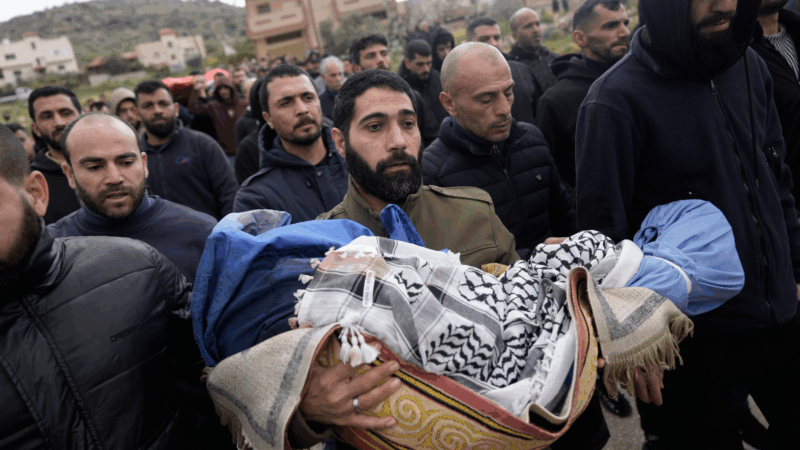
Israeli soldiers fire on family car in occupied West Bank, killing 4
Israeli soldiers fired on a car carrying a family in the northern West Bank, killing four people including two children, the Palestinian Authority's Health Ministry said.
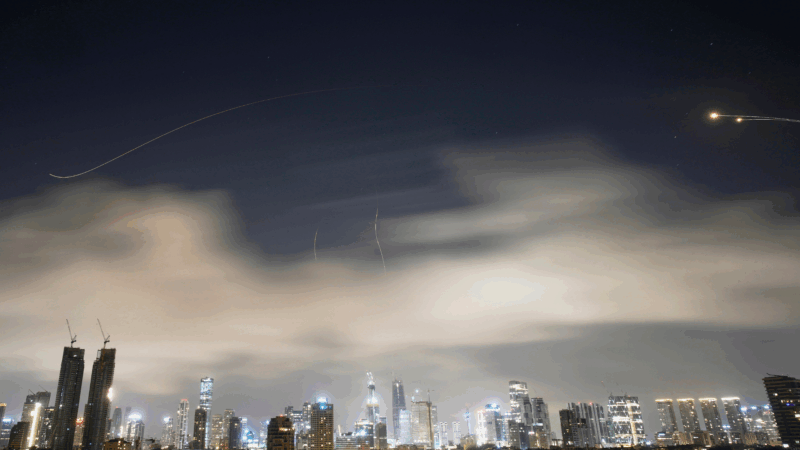
U.S. military names six killed in plane crash as Iran war enters third week
The conflict in the Middle East has entered a third week, with Israel announcing a barrage of new strikes on western Iran on Sunday, while the U.S. defense department released the names of six service members who died when their military refueling aircraft crashed.
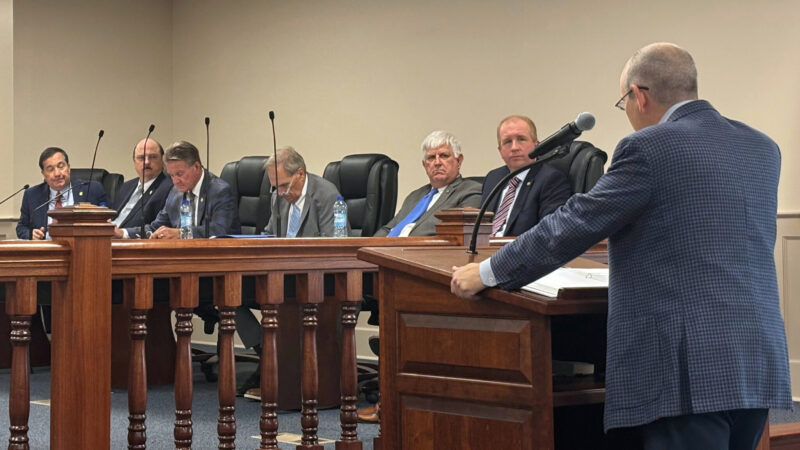
Alabama poised to drastically overhaul utility regulation. Will it lower electric bills?
The Alabama Senate unanimously voted to expand the public service commission, and create a Secretary of Energy to address rising electricity prices. A bill in the House would go even further, requiring rate case hearings and limiting utility profits.

Acclaimed 20th century philosopher Jürgen Habermas dies at 96
Associated with the Frankfurt School, Habermas was a world-renowned thinker on modernity and democracy who helped shape German post-war and post-reunification political discourse.
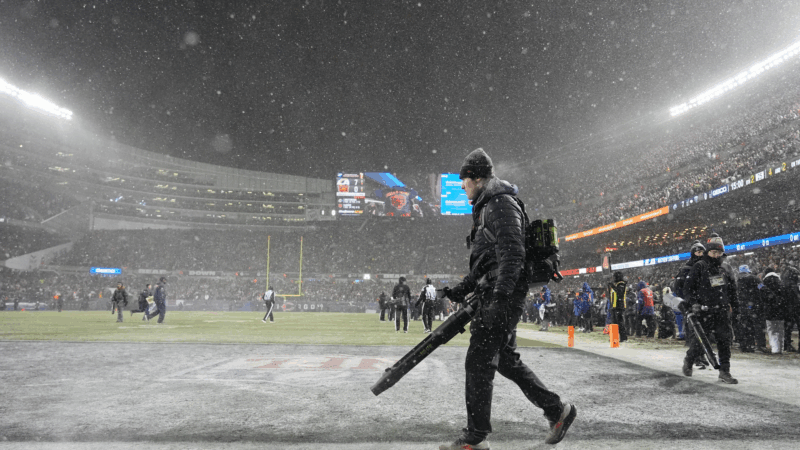
Why the Chicago Bears could be moving to Indiana
While Illinois is trying to keep the team in Chicago's suburbs, Indiana lawmakers are offering a plan to finance a new stadium
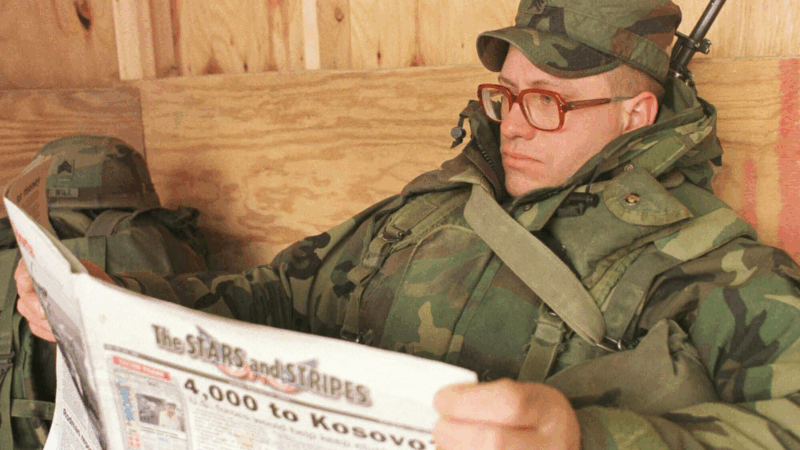
Pentagon tightens controls over Stars and Stripes after calling it “woke”
The new rules for the independent military newspaper are the Defense Department's latest effort to put extraordinary restrictions on journalists covering the agency.
