
Ukrainian sled racer says he will wear helmet honoring slain soldiers despite Olympic ban
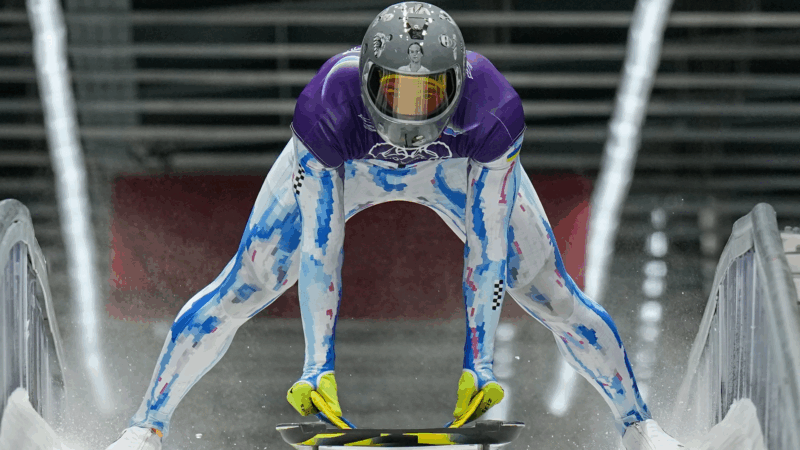
MILAN – Ukrainian sled racer Vladyslav Heraskevych says he will attempt to race in Winter Olympic competitions wearing a helmet that honors athletes slain while defending his country from Russia’s full-scale invasion, despite a ban by the International Olympic Committee.
“We will continue to fight for the right to compete in this helmet. I truly believe that we didn’t violate any law and any rule,” Heraskevych said on Tuesday. “The IOC decision on that regard is, I would say, a little bit (of a) circus.”
Heraskevych is a serious medal contender in skeleton racing – a high-speed sport where athletes hurtle face-forward down an icy track – at the Milan Cortina Games. He finished fourth at last year’s world championships.
He arrived in Italy hoping to raise awareness about Ukraine’s struggle to survive during a bitterly cold winter when Russian forces have made slow but significant advances on the battlefield.
“If you follow (the) situation, you know that in Ukraine now it’s a very difficult time. People sit in houses without electricity, without water, without heating,” Heraskevych told journalists.
Can sport be neutral in a time of war?
On Monday, the International Olympic Committee (IOC) issued a ruling that the helmet could not be worn during competition because it would violate terms of the Olympic charter designed to keep politics out of the Games. At a press conference on Tuesday, IOC spokesperson Mark Adams defended that decision.
“[W]e have to concentrate on athletes’ performance and sport on the field of play,” Adams said in Milan. “The Games need to be separated from not just political and religious topics, but all types of interference so that all athletes can concentrate on performance.”
According to Adams, allowing Heraskevych to commemorate victims of the Russia-Ukraine war would lead to a flood of other political statements: “There are probably 20 or 30 conflicts around the world at any time,” he said.
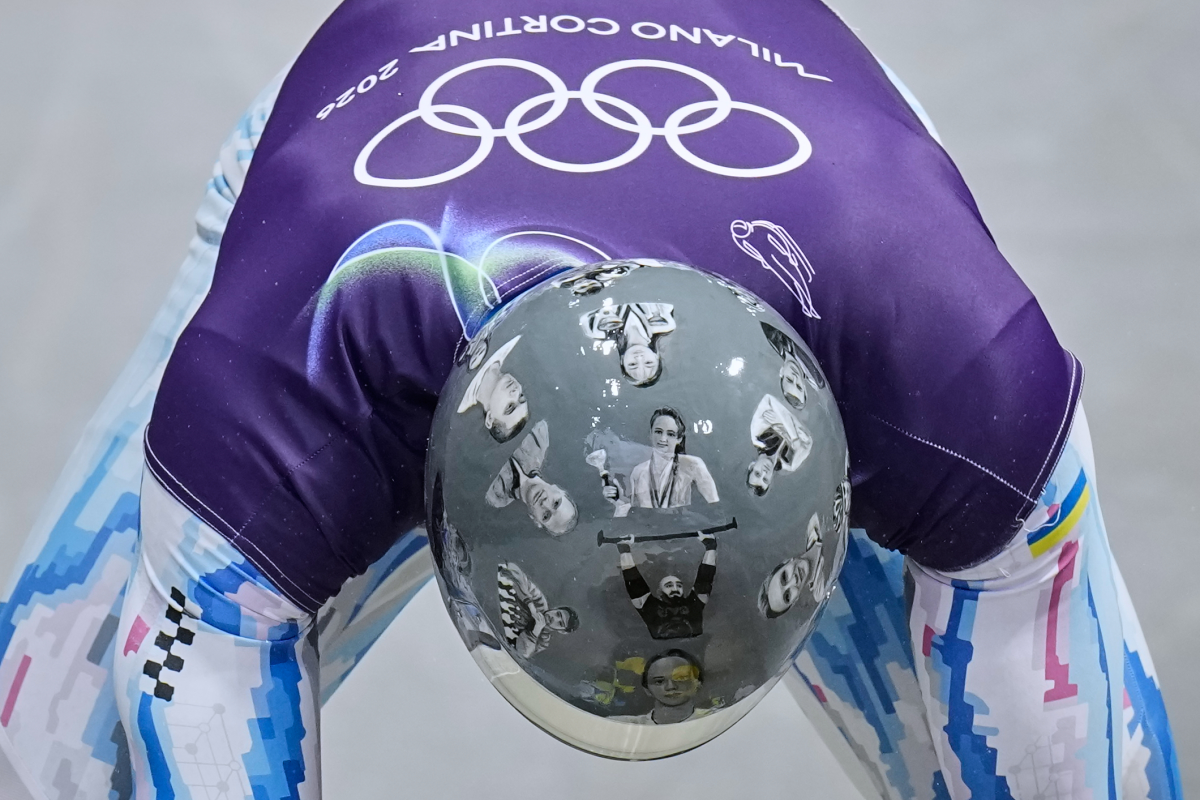
In what Adams described as a compromise, the IOC has allowed Heraskevych to compete wearing a black armband. “We have said to him that we will make an exception so he can express his mourning in this way.”
Heraskevych, however, described that offer as inadequate. “No, I will wear helmet,” he told reporters.
The IOC decision and Heraskevych’s defiance set the stage for what could be a high profile conflict in the coming days. Skeleton sled training begins on the track in Cortina d’Ampezzo, Italy, on Wednesday, with official competition continuing on Thursday and Friday.
Ukrainian President Volodymyr Zelenskyy weighed in on social media this week, listing some of the athletes portrayed on Heraskevych’s helmet: “Figure skater Dmytro Sharpar, who was killed in combat near Bakhmut; Yevhen Malyshev, a 19-year-old biathlete killed by the occupiers near Kharkiv; and other Ukrainian athletes whose lives were taken by Russia’s war,” Zelenskyy wrote.
“This truth cannot be inconvenient, inappropriate, or called a ‘political demonstration at a sporting event,'” Zelenskyy added.
On Tuesday, Heraskevych said he believes the IOC should help recognize athletes killed in war: “We have members of Olympic family, part of Olympic movement, and they don’t even want to honor them.”
Russia’s full-scale invasion of Ukraine began in February 2022, immediately following the last Winter Olympics in Beijing.
The IOC has banned Russian athletes from competing under their nation’s flag and imposed strict rules on which Russian athletes are eligible to compete independently.
The rules include a ban on any Russian athletes who openly support the invasion of Ukraine or who have ties to the Russian military.
Once a winter sport powerhouse, more than 200 Russians competed in the Beijing Games. This year, only thirteen athletes from Russia were approved by the IOC.

Greetings from Southwest Papua, which has some of the world’s richest marine biodiversity
The Raja Ampat islands in Indonesia's Southwest Papua province are a marine biodiversity hotspot and a divers' paradise.
Families remember U.S. reservists killed in Kuwait, members of an Iowa logistics unit
Four U.S. soldiers were killed in the Iran war on Sunday and IDed Tuesday by the Pentagon; two soldiers haven't yet been publicly identified. Their unit kept troops supplied with food and equipment.

Why supporting a shelter for women is now ‘kind of radioactive’
That's how researcher Beatriz Garcia Nice describes the new U.S. stance under the Trump administration to programs addressing gender-based violence.

Telehealth abortion is in the courts. Share your experience.
Mifepristone is facing another major legal challenge.
Israel launches new strikes in Tehran as public farewell for Khamenei begins
Israel's military said it had begun a "broad wave of strikes" in Tehran Wednesday morning. U.S. officials touted early gains, while Democrats warned the war could widen.
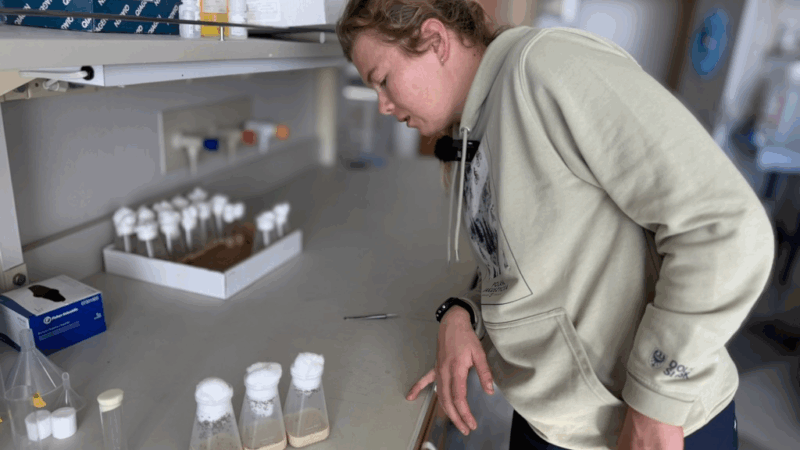
As Paralympics approach, U.S. skier Sydney Peterson balances training and research
Sydney Peterson is among the U.S. athletes heading to the 2026 Winter Paralympics. A neuroscientist in training, Peterson is studying movement disorders, similar to her own condition.
